Uganda to Withdraw Troops From Lubero in Eastern DR Congo Within Two Weeks, Handing Security to Congolese Army
The UPDF will begin pulling out of Lubero town in North Kivu after nearly two years pursuing Allied Democratic Forces fighters, in an announcement that comes amid a diplomatic row between Kampala and Kinshasa.
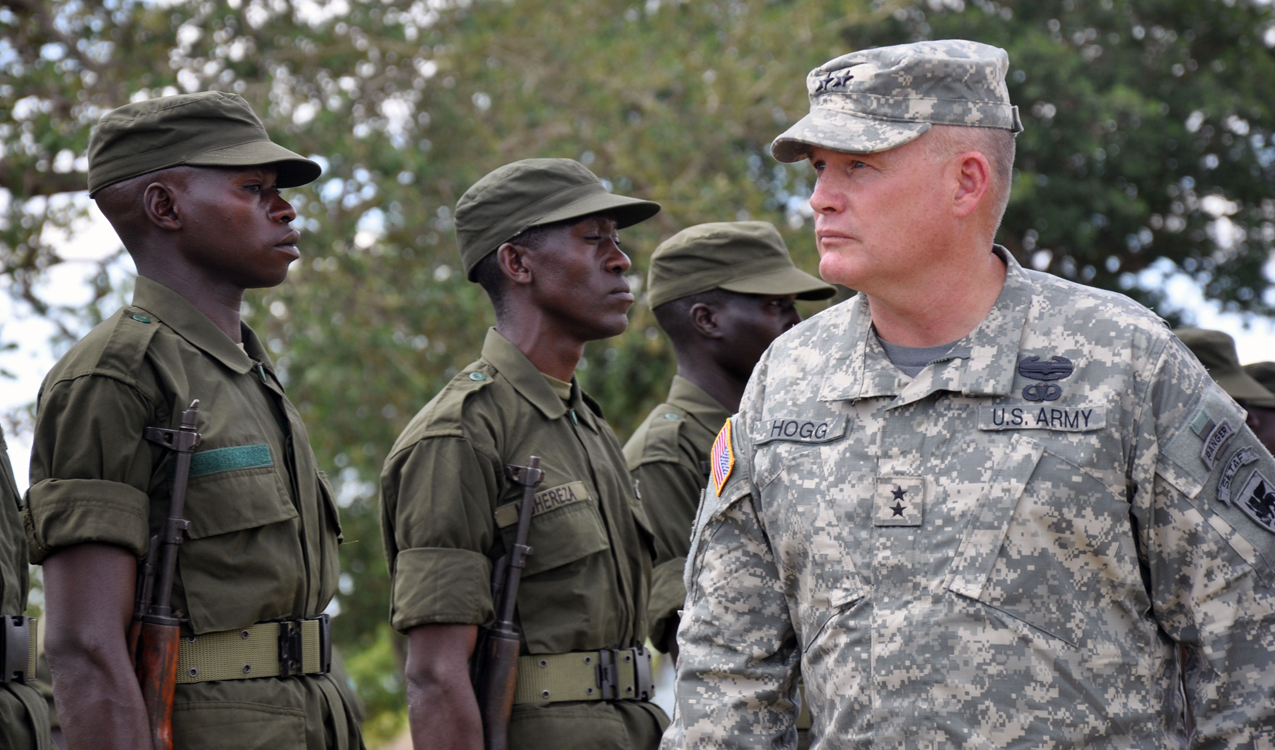
Uganda has announced that it will withdraw its troops from Lubero town in eastern Democratic Republic of Congo within the next two weeks, ending a deployment of nearly two years and handing security responsibilities to the Congolese armed forces. The Uganda People's Defence Forces issued the announcement in a press statement in Kampala on Friday, 27 November, saying the withdrawal would begin within a fortnight. Colonel Chris Magezi, the acting director of defence public information, signed the statement confirming the plan.
Ugandan troops have operated in Lubero, in North Kivu province, since January 2025. According to the army, they deployed there to pursue remnants of the Allied Democratic Forces, the armed group of Ugandan origin that has pledged allegiance to the Islamic State group and operates mainly in eastern Congo. The ADF fighters had moved into the Lubero area to escape pressure from joint military operations in other parts of North Kivu and Ituri provinces, and the Ugandan presence was intended to deny them a new haven.
The statement did not disclose the number of troops who will leave, give a specific completion date for the handover, or explain the reasons behind the decision. It also did not say whether the withdrawal would affect other Ugandan positions in eastern Congo. What it made clear is narrower than a full exit: the joint campaign known as Operation Shujaa, conducted alongside the Congolese army against the ADF, continues elsewhere, and the Lubero announcement applies to that town rather than to Uganda's entire presence in the east.
The timing, however, has drawn attention because it follows a sharp diplomatic exchange between the two governments. Earlier this week, DR Congo's foreign ministry summoned the head of Uganda's diplomatic mission in Kinshasa to express its disapproval after a series of controversial social media posts by Uganda's chief of defence forces, General Muhoozi Kainerugaba, who is also President Yoweri Museveni's son. In the posts, the general appeared to endorse a rebel takeover of Walikale, a mineral-rich territory, and suggested Ugandan troops would seize it themselves if the rebels failed to do so.
Kinshasa's summons underlined how sensitive any Ugandan military statement about Congolese territory remains, even between two governments that have cooperated militarily for years. The Ugandan army's Lubero statement did not link the withdrawal to the diplomatic row, and no official on either side has publicly connected the two. But the sequence, a summons over the army chief's words followed within days by a withdrawal announcement, ensures the move will be read in both capitals as more than a routine rotation.
The Lubero decision also has a longer backstory. In March this year, General Kainerugaba announced that Uganda was ready to withdraw its forces from positions stretching from Lubero to Mahagi, in coordination with the Congolese government, before later signalling that troops would remain in place while further discussions were held. Friday's statement is the first formal confirmation that a withdrawal from Lubero town will actually proceed, though it stops well short of the Lubero-to-Mahagi pullout floated in March.
For residents of Lubero, the practical question is what replaces the Ugandan presence. Congolese government forces are to assume responsibility for the town's security at a time when armed groups remain active across North Kivu and the ADF has continued to attack civilians in the wider region. Whether the handover steadies Lubero or exposes it will depend on the strength of the Congolese deployment that follows, and on whether the two armies' cooperation survives the diplomatic strain of the past week.