MK Party Takes eThekwini as ANC Deal Elects Mxolisi Phakathi Mayor of Durban Metro
The uMkhonto weSizwe Party won its first metropolitan municipality on Friday, as Mxolisi Phakathi was elected eThekwini mayor with 139 votes after the ANC backed MK over its provincial unity partners.
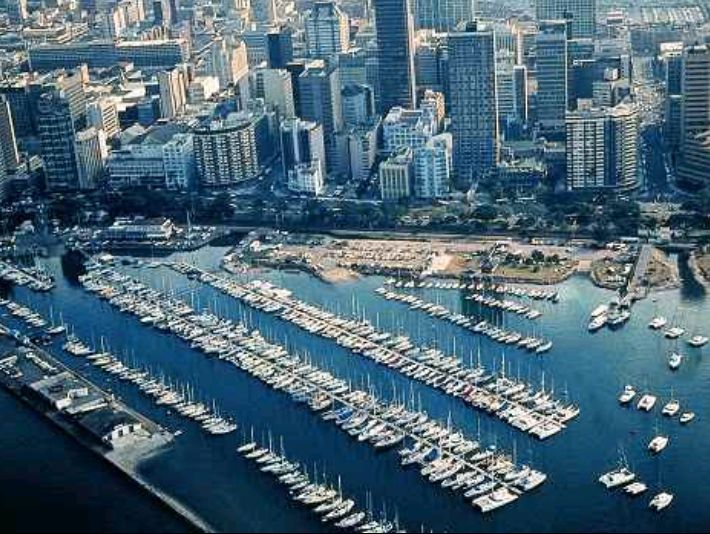
South Africa's coalition era took a dramatic turn on Friday as the uMkhonto weSizwe Party took control of eThekwini, the metropolitan municipality that includes Durban, with the backing of the African National Congress. MK's Mxolisi Phakathi was elected executive mayor at the council's inaugural meeting on 27 November, defeating the Democratic Alliance's Haniff Hoosen with 139 votes in the 223-seat council. Supporters in the chamber erupted in song as the result was announced, celebrating the party's first metro government.
The outcome followed the November local government elections, which left eThekwini without an outright majority. The MK Party emerged as the largest formation with 86 seats, ahead of the DA with 57, the ANC with 37, the Inkatha Freedom Party with 15, ActionSA with seven and the Economic Freedom Fighters with four. Days of negotiation followed, and the arrangement that carried the day paired the two largest liberation-movement rivals: MK took the mayoralty and the deputy mayoralty, the latter going to Thabani Luthuli, while the ANC secured the speaker's post for Thabani Nyawose and the chief whip position for its councillor Lesoma.
The result was a pointed rebuff to the DA, which governs KwaZulu-Natal with the ANC and IFP in a provincial unity arrangement and had hoped to extend that model to the metro. In a last-minute letter sent hours before the sitting, DA provincial chairperson Dean Macpherson offered to give the mayoralty to the ANC itself, with the DA taking deputy mayor and the IFP the speakership, in an explicit attempt to keep MK out of power. The offer came too late: ANC figures favouring the MK arrangement had already prevailed, and the DA's mayoral candidate was left to condemn the outcome from the opposition benches.
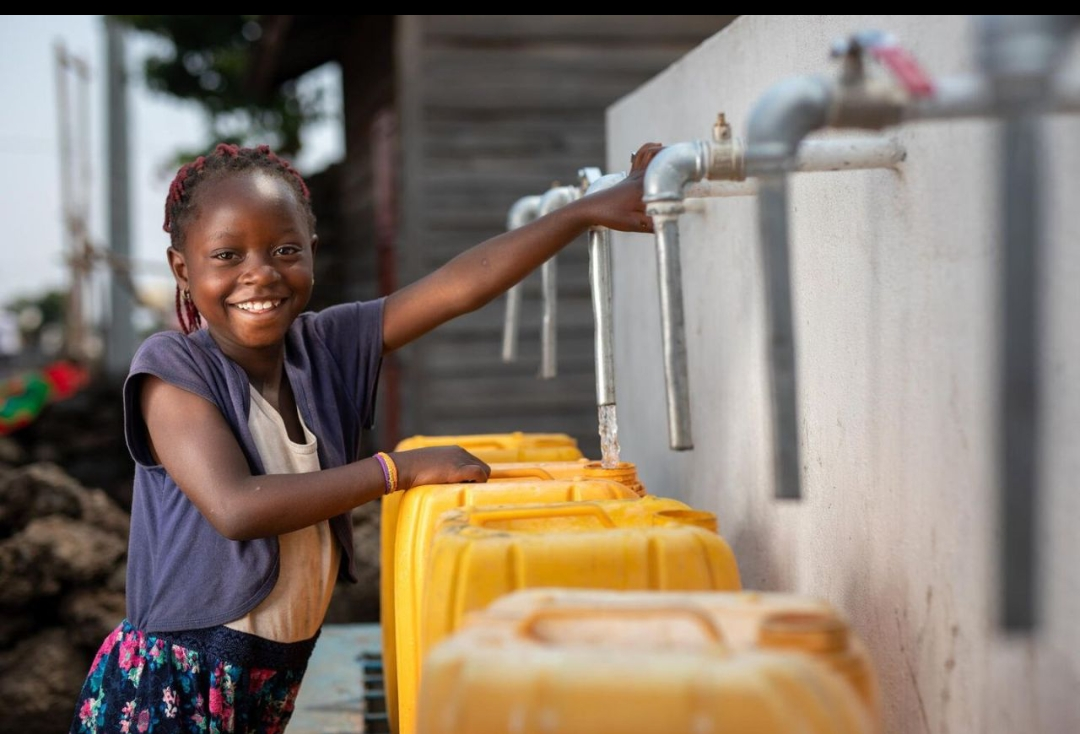
Hoosen accused the ANC and ActionSA of choosing chaos over service delivery, arguing that residents who had gone without water and electricity should know who handed the port city to MK. The criticism points to the stakes in eThekwini, which is not a ceremonial prize. The municipality runs Africa's busiest port city, manages a multibillion-rand budget, and has struggled publicly with water supply failures, billing chaos and infrastructure decay, the everyday issues on which the new administration will be judged long before its politics are.
Phakathi, for his part, moved immediately to those bread-and-butter questions, telling the media after his election that the city's water problems and billing crisis would top his agenda for his first 100 days. It was a deliberate choice of emphasis from a mayor who knows his coalition will be given little benefit of the doubt by opponents waiting to call the experiment a failure. The executive committee he leads is expected to draw members from across the council, including the DA, in a distribution that reflects how fragmented the election left the chamber.
eThekwini was not an isolated result. MK and ANC arrangements also installed MK mayors in Msunduzi, the municipality that includes the provincial capital Pietermaritzburg, where Mervyn Dirks was elected, as well as in Newcastle and Richards Bay. Together, the deals realign KwaZulu-Natal politics: the province's biggest economic hub and its capital are now led by the party of former president Jacob Zuma, working with the ANC, while the DA and IFP, partners in the provincial government, find themselves shut out at municipal level in the metros that matter most.
What the realignment means beyond the province is the question South African politics will carry into the new year. The ANC's willingness to empower MK in Durban, rather than extend its unity arrangements with the DA, suggests coalition choices are now being made city by city and province by province, with national implications argued afterwards. For Durban's residents, the abstraction will resolve quickly into a simpler test: whether the taps run, the bills make sense, and the new mayor's first 100 days produce anything more than a new set of promises.