Kenya Airways Warns 2026 Performance Will Fall by at Least 25 Percent as Fuel Costs Bite
Kenya Airways has issued a profit warning for the year ending 31 December 2026, citing soaring aviation fuel costs, aircraft shortages and global supply chain disruption despite strong passenger demand.
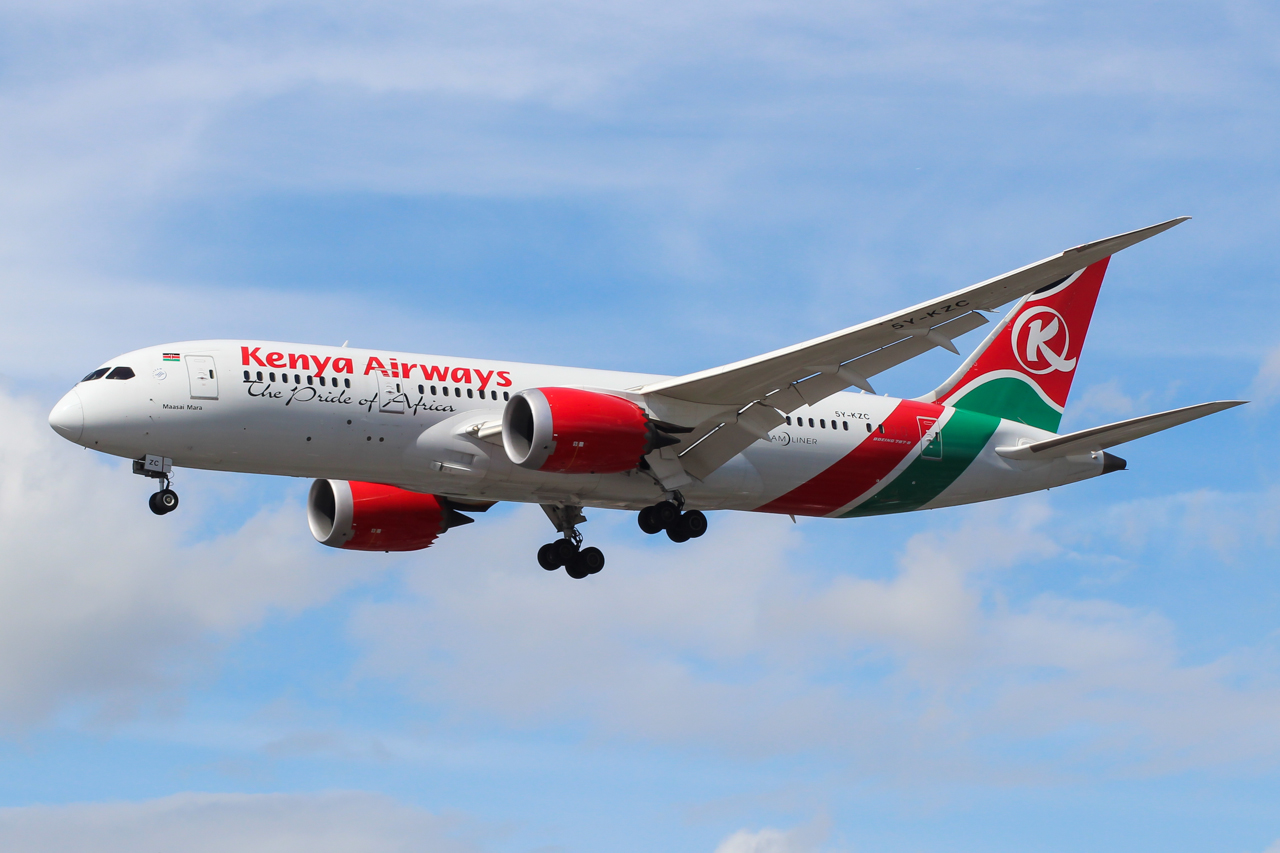
Kenya Airways has issued a profit warning for the year ending 31 December 2026, citing soaring aviation fuel costs, aircraft shortages and global supply chain disruption despite strong passenger demand.
Kenya Airways has warned that its financial performance for 2026 will deteriorate by at least 25 percent compared with 2025, in a profit warning that underlines how exposed African airlines remain to fuel prices and aircraft shortages. Juba Global News Network reports that the warning, issued on Thursday 26 November and signed by Board Chairman Kiprono Kittony, was based on the airline's projected results for the year ending 31 December 2026. The carrier said it continued to face difficult operating conditions despite strong passenger demand, a combination that has defined its year: people want to fly, but the cost of carrying them keeps rising faster than revenue.
The warning follows a difficult set of published results. Kenya Airways reported a net loss of 17.16 billion Kenyan shillings for the year ended December 2025, reversing a net profit of 5.43 billion shillings recorded in 2024. The pressure continued into 2026, with a loss after tax of approximately 16.1 billion shillings for the six months ended 30 June, compared with 12.2 billion shillings in the corresponding period of 2025. In other words, the airline was already losing more money in the first half of this year than a year earlier, before the conditions described in the new warning took their full effect.
The clearest driver is fuel. Half-year results showed revenue increased by 9 percent to about 81 billion shillings, demonstrating continued demand for the airline's services, but total operating costs rose by 14 percent and overshadowed that growth. Fuel expenses were a major contributor, rising by 32 percent compared with the first half of 2025 as geopolitical tensions in the Middle East pushed up jet fuel prices. In its latest warning, the board again identified escalating fuel costs linked to the Middle East conflict as a principal challenge, alongside persistent global supply chain constraints.
Supply chain problems affect an airline in a very practical way: aircraft cannot fly without engines, spare parts and completed maintenance. Reporting on the airline's position has described aircraft shortages and maintenance delays limiting operations, meaning Kenya Airways cannot always deploy the capacity its passenger demand would support. A grounded aircraft still carries costs while earning nothing, and a smaller available fleet makes schedules harder to protect when disruption occurs. For a national carrier whose network connects Kenya to Africa, Europe, the Middle East and Asia, those constraints reach into tourism, trade and business travel.
The board's message was not that demand has collapsed. On the contrary, the airline stressed that external factors continued to affect its financial results and day-to-day operations despite strong demand for air travel. That distinction matters for travellers and for the Kenyan economy. Kenya Airways is a strategic national asset as well as a listed company, and its difficulties prompt recurring debate about how much support the state should provide, how quickly the fleet can be restored, and what a credible path back to sustained profitability looks like.
For passengers, the immediate effects of such pressure are usually felt in fares, fuel surcharges and schedule reliability rather than in any sudden change to the network. For investors on the Nairobi Securities Exchange, a warning of at least a 25 percent deterioration sets expectations for the full-year results and signals that no dividend or rapid turnaround should be assumed. For staff and suppliers, it points to another year of tight cost management as the airline tries to preserve cash while waiting for fuel prices and parts supply to ease.
Kenya Airways is not alone among airlines in facing higher fuel bills this year, but its recent history leaves it with less room to absorb shocks. After returning to profit in 2024, the swing to a large loss in 2025 and a wider half-year loss in 2026 shows how quickly gains can be undone. The profit warning issued this week is therefore both a financial notice and a statement about the year ahead: until fuel costs fall, grounded capacity returns and supply chains normalise, the Pride of Africa will be flying against a strong headwind.
Source: Juba Global News Network.