Nearly 689,000 Displaced in Ethiopia's Moyale Fighting as Thousands Cross Into Kenya
Islamic Relief Ethiopia estimates about 688,800 people have been displaced by fighting around Moyale since October, with around 50,000 crossing into Kenya and essential services badly disrupted.
Islamic Relief Ethiopia estimates about 688,800 people have been displaced by fighting around Moyale since October, with around 50,000 crossing into Kenya and essential services badly disrupted.
Nearly 700,000 people have fled fighting around Moyale on Ethiopia's border with Kenya and Somalia, in a displacement crisis that has grown for more than a month with little public comment from the federal government in Addis Ababa. Juba Global News Network reports that Islamic Relief Ethiopia recently estimated about 688,800 people had been displaced since the conflict began on 18 October, with fighting resuming on 16 November after an earlier phase of clashes. The scale of the figure, set out in reporting published on 26 November, makes Moyale one of the largest new displacement emergencies in the Horn of Africa this year.
The breakdown of the estimate shows how widely the crisis has spread. The organisation recorded 329,000 displaced people from Dawa Zone in Ethiopia's Somali Region and 359,798 across southern Oromia, the two regions whose long-running boundary disagreement lies at the heart of the violence. Around 50,000 people are reported to have crossed into Kenya, seeking safety in communities that are themselves short of resources. Homes, businesses and fuel stations have been destroyed, and health, nutrition, water and sanitation services have been disrupted for people who remain as well as for those who fled.
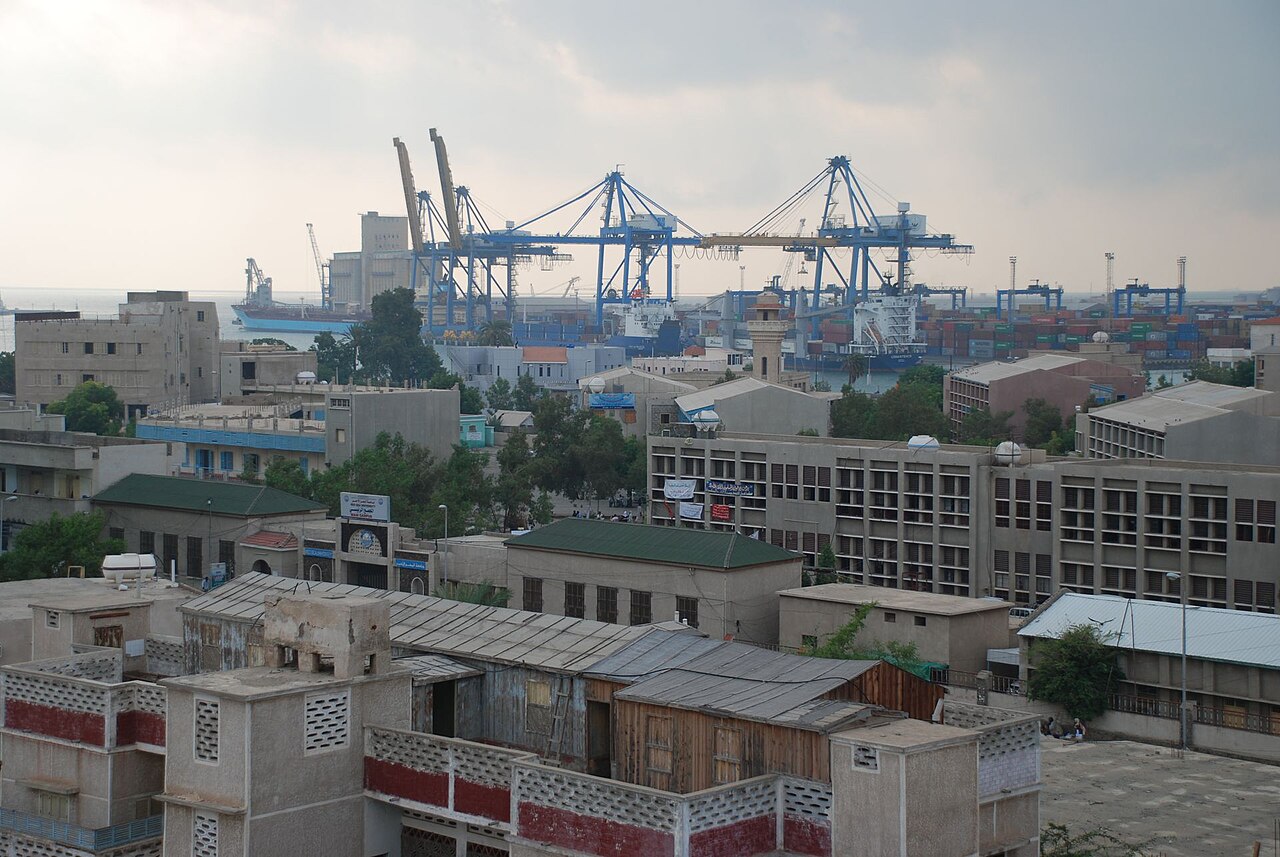
Accounts of the trigger differ in emphasis, but reporting links the conflict to a dispute over territory and reportedly the presence of a regional flag in Moyale, a town associated with both the Somali and Oromia regions. What might appear a symbolic disagreement has, in that telling, turned a long-running boundary dispute into open fighting with severe humanitarian consequences. Moyale's position, straddling a major cross-border route between Ethiopia and Kenya, means violence there disrupts trade and movement well beyond the immediate area, affecting livelihoods on both sides of the border.
The international response so far has been modest compared with the need. The European Union has allocated 550,000 euros in emergency assistance, a sum that underlines both that donors have recognised the emergency and how far available funding falls short of the scale described by aid organisations. According to the reporting, the Ethiopian federal government has not publicly commented on the violence. That silence has drawn attention because Ethiopia has ratified the African Union Convention for the Protection and Assistance of Internally Displaced Persons in Africa, known as the Kampala Convention.
That convention places the primary responsibility for protecting and assisting internally displaced people on the state, including providing food, water, shelter, healthcare and sanitation, and protecting people from sexual and gender-based violence. For families now sheltering wherever they can find space, those obligations are not abstract legal language but a description of what is missing: safe places to sleep, clean water to drink, clinics that function and food for children. Aid groups working around Moyale and across the border in Kenya face the task of meeting those needs while access and security remain uncertain.
In Kenya, the arrival of tens of thousands of people has placed new pressure on host communities in the north, where water and pasture are already contested resources in dry seasons. Cross-border displacement also complicates the response, because people who have crossed an international frontier fall under different protection arrangements from those displaced inside Ethiopia, even though they fled the same fighting. Humanitarian planners must therefore coordinate across two countries, two sets of authorities and communities whose own needs were significant before the first families arrived.
Unless fighting stops and people can return safely, the Moyale emergency is likely to deepen. Displacement on this scale, sustained over weeks, exhausts the savings, livestock and social networks that families rely on to survive, making recovery slower even after violence ends. The figures reported this week, 688,800 displaced, about 50,000 of them in Kenya, are a warning that a local boundary dispute has become a regional humanitarian crisis, and that the response, from Addis Ababa and from international partners, has yet to match its size.
Source: Juba Global News Network.