Lakes State Races to Register Voters After a Delayed Start in Rumbek
Lakes State launched registration a day late after waiting for chairs and tables, then deployed 1,939 personnel across 277 centres in eight counties to catch up before today's closing deadline.
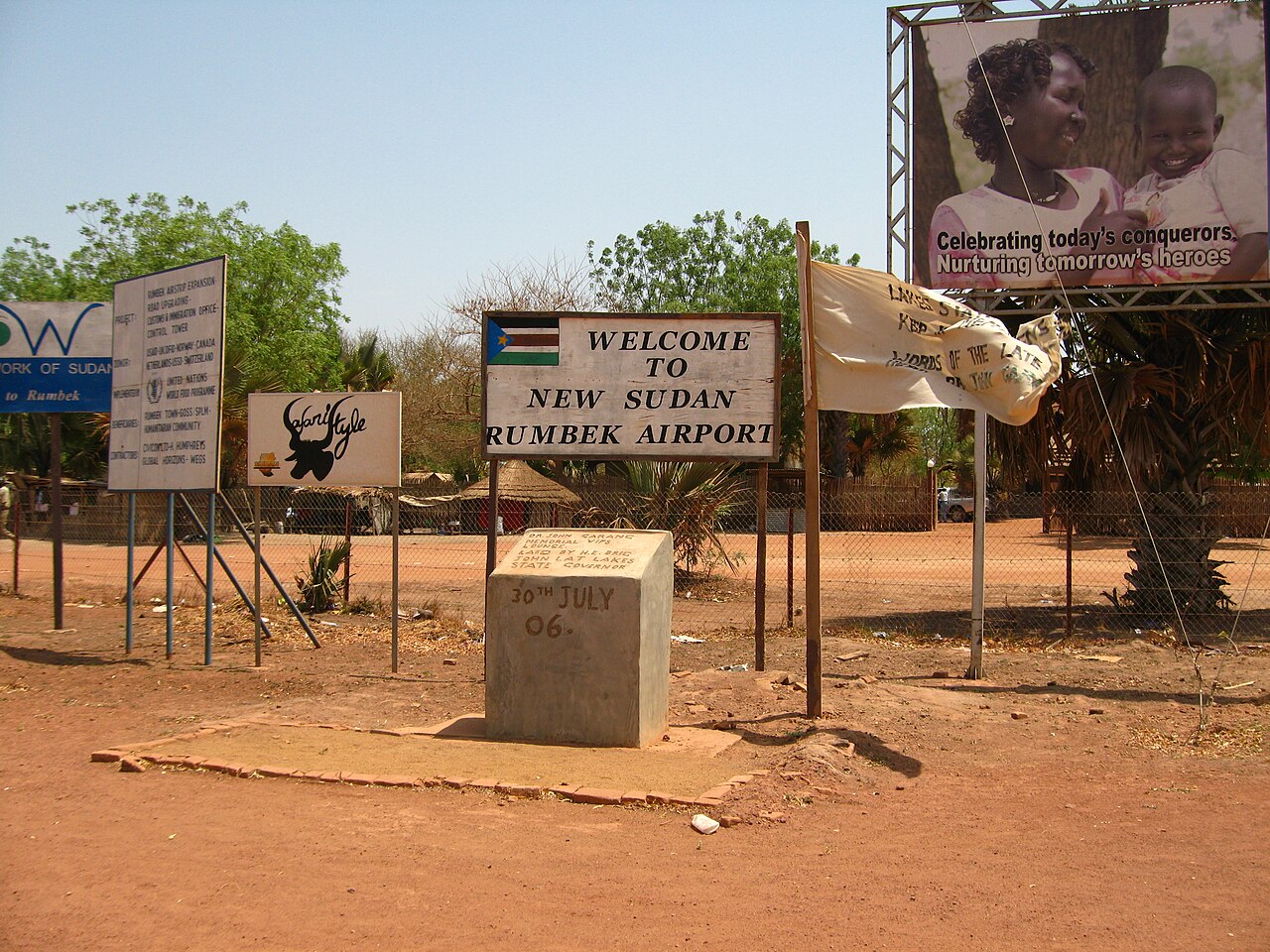
Lakes State's voter registration story is a reminder that elections are built from very practical things. The state launched its exercise in Rumbek a day after the nationwide start, not because of a political dispute, but because registration centres were waiting for basic equipment, including chairs and tables. Only after materials arrived from the National Elections Commission in Juba could the State High Elections Committee formally begin.
The launch was led by Professor Kot Kuocnin Kuer, chairperson of the State High Elections Committee, together with Manyang Luk, the caretaker minister of local government and law enforcement agencies. Kuer was candid about the cause of the delay. The state had been ready to start, he explained, but centres across Lakes needed the furniture and materials delivered before officials could work properly. Once those items were received, the state moved immediately to launch.
The numbers behind the catch-up effort are substantial. Lakes State has 277 registration centres and 1,939 personnel assigned to conduct the exercise across its eight counties. Those officials have been asked to ensure transparency and accuracy in compiling the voters' register, work that sounds administrative but is in fact foundational: a misspelled name, a wrong date of birth or a duplicated entry in November can become a voter turned away, or a disputed result, in February.
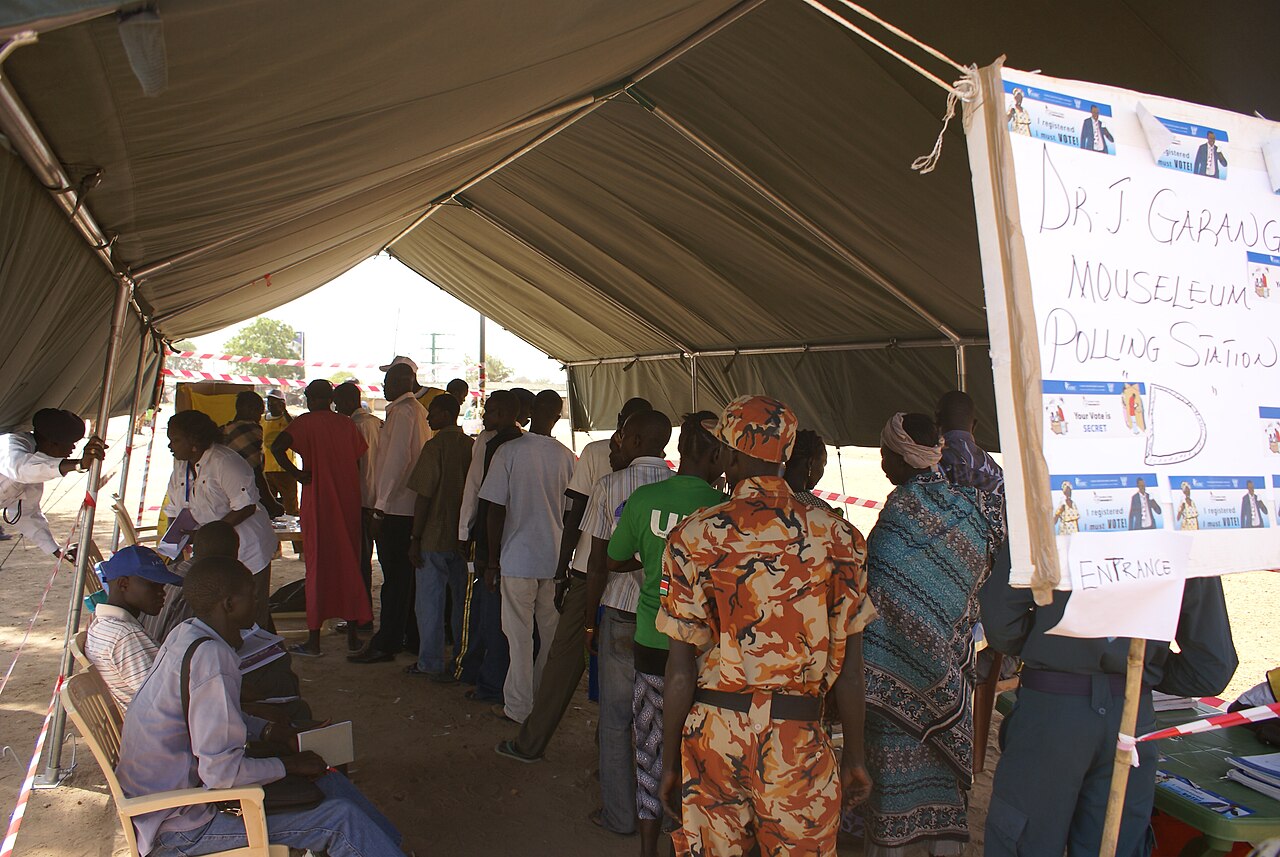
Turnout at the Akon Buoi registration centre in Rumbek town was initially low, and officials and observers pointed to inadequate public awareness as well as shortages of equipment, including laminators, among the challenges facing registration teams. Low early turnout is not necessarily a verdict on public interest. In many communities, people wait to see neighbours register first, need time to arrange travel or work, or simply have not yet heard a clear message about where to go and what to bring. It does, however, place a premium on mobilisation in the final days, which is exactly the appeal state leaders have been making.
Kuer called on returning officers, traditional chiefs, politicians and prospective candidates to mobilise eligible citizens to register before the exercise closes, and he warned against later complaints from those who stayed away. If citizens delay beyond the set period, he argued, responsibility for being left out will rest with them rather than with the Commission. That is a hard message, but it reflects the reality of a fixed timetable in which the provisional register, nominations and ballot preparations all depend on registration ending on schedule.
Ordinary voters in Rumbek have echoed the mobilisation call. Monica Anip Thuc, a voter from Rumbek Central County who registered at the Akon Buoi centre, urged other eligible citizens to do the same so that, in her words, they can bring change to their community and the nation. She said she hoped to elect leaders capable of bringing positive change to South Sudan. Such voices matter in a first election, where the act of registering is itself a statement that the long-promised vote is finally being treated as real.
Civil society has added two conditions to the mobilisation drive. Daniel Laat Kon, coordinator in Lakes State for the Community Empowerment for Progress Organization, welcomed the launch but urged authorities to protect registration officials and provide them with adequate logistical support. He said officials should be allowed to move freely and work without political interference, noting that mobility and the distribution of materials remained challenges, and he called on the caretaker government to facilitate the participation of all political parties rather than favouring any particular group. He also reminded registration officials to remain impartial, telling them their names will be part of South Sudan's history as the people who conducted its first elections.
The state government, under caretaker Governor Gen. Rin Tueny, says it is working to ensure that party primaries and voter registration are conducted safely. Caretaker minister Luk put the significance of the exercise plainly at the launch: South Sudanese have talked about elections for years, but registration is where the indicators that a vote will actually happen begin. As registration closes today, Lakes State's delayed start, rapid deployment and final mobilisation push together form a test of whether a late beginning can still produce a credible register.