Port Sudan Water Project Launched to Reach 600,000 People as Displaced Families Strain Services
The African Development Bank and UNICEF have launched a 55 million dollar emergency water and sanitation project for Port Sudan, aiming to restore supply after dam damage and large-scale displacement.
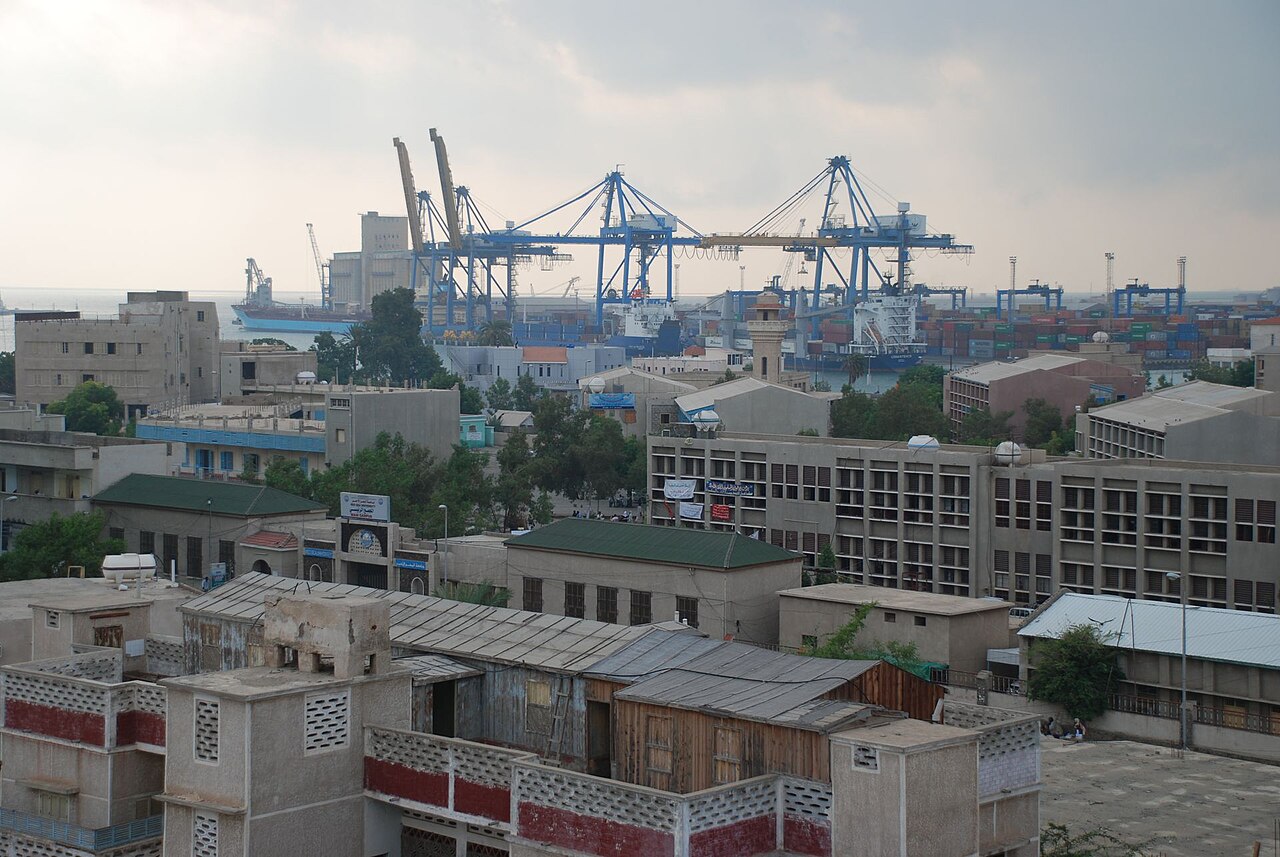
The African Development Bank and UNICEF have launched a 55 million dollar emergency water and sanitation project for Port Sudan, aiming to restore supply after dam damage and large-scale displacement.
Port Sudan's water crisis has drawn a major new response, as the African Development Bank Group and UNICEF officially launched the Port Sudan Emergency Water and Sanitation Project, an initiative valued at about 55 million US dollars. Juba Global News Network reports that the programme is designed to improve access to safe water and basic sanitation for hundreds of thousands of children and families in the Red Sea city, where services have come under intense pressure since Sudan's civil conflict began in April 2023. Large numbers of displaced people have arrived in Port Sudan seeking safety, and the city's limited systems have struggled to keep pace with demand that now far exceeds supply.
The pressure on Port Sudan did not begin with displacement alone. According to the African Development Bank, the crisis was compounded by the collapse of the Arba'at Dam in 2024, which further strained already limited water resources. For families who have fled fighting elsewhere in Sudan, and for the residents who have hosted them, water has become a daily test of endurance, with queues, rationing and rising costs shaping everyday life. Restoring reliable production and distribution is therefore presented not simply as an infrastructure task, but as an urgent humanitarian priority for a city carrying a burden far beyond its original capacity.
Financing for the project comes from the African Development Fund, the Bank's concessional financing arm, with co-financing from UNICEF, which will serve as the implementing agency. The investment is designed to restore critical water infrastructure while expanding water production, distribution and sanitation services at the same time. Rather than offering only a short-term fix, the partners say the programme combines emergency action with longer-term investment, so that systems built now can continue serving the city after the immediate crisis phase has passed.
The scale of the planned works is substantial. The project will add desalination capacity of 10,000 cubic metres per day and extend 187 kilometres of pipelines, measures intended to bring more water into the network and move it more reliably to the neighbourhoods that need it. In a coastal city on the Red Sea, desalination offers a source that does not depend solely on damaged inland infrastructure, while new pipelines address the losses and gaps that have left many areas underserved even when water is available at the source.
Coverage extends beyond a single city. The Port Sudan portion of the programme is expected to improve water and sanitation services for approximately 600,000 people, and the initiative will also support emergency water needs in North and South Kordofan. Overall, the project is expected to reach around 750,000 people. It prioritises vulnerable groups, including children, women, people with disabilities and displaced families, whose health and safety are most at risk when clean water and sanitation are scarce and disease can spread quickly through crowded living conditions.
The official launch was followed by a two-day workshop held from 15 to 17 November, bringing together the African Development Bank, UNICEF, government authorities and partners. The workshop focused on effective, transparent and accountable implementation, a point the partners emphasised as essential if a project of this size is to deliver on the ground. The Bank's Sudan country manager, David Muthusi Mutuku, described the project as a response to an urgent and growing need, combining immediate action with investment intended to last.
Alongside construction, the initiative includes efforts to strengthen local capacity so that water and sanitation services can be operated and maintained over the longer term. That emphasis matters in Port Sudan, where the challenge is not only to build new capacity but to keep it working for a population that continues to grow as the conflict continues. For the families now relying on overstretched supplies, the test of the 55 million dollar programme will be measured in a simple outcome: whether clean water reaches their homes, schools and clinics more reliably in the months ahead.
Source: Juba Global News Network.