Voter Registration Closes Today as Juba Officials Urge NEC to Extend the Deadline
South Sudan's 15-day voter registration exercise ends today, Saturday 28 November, with more than one million people registered, registration officials in Juba calling for more time, and candidate nominations opening tomorrow.
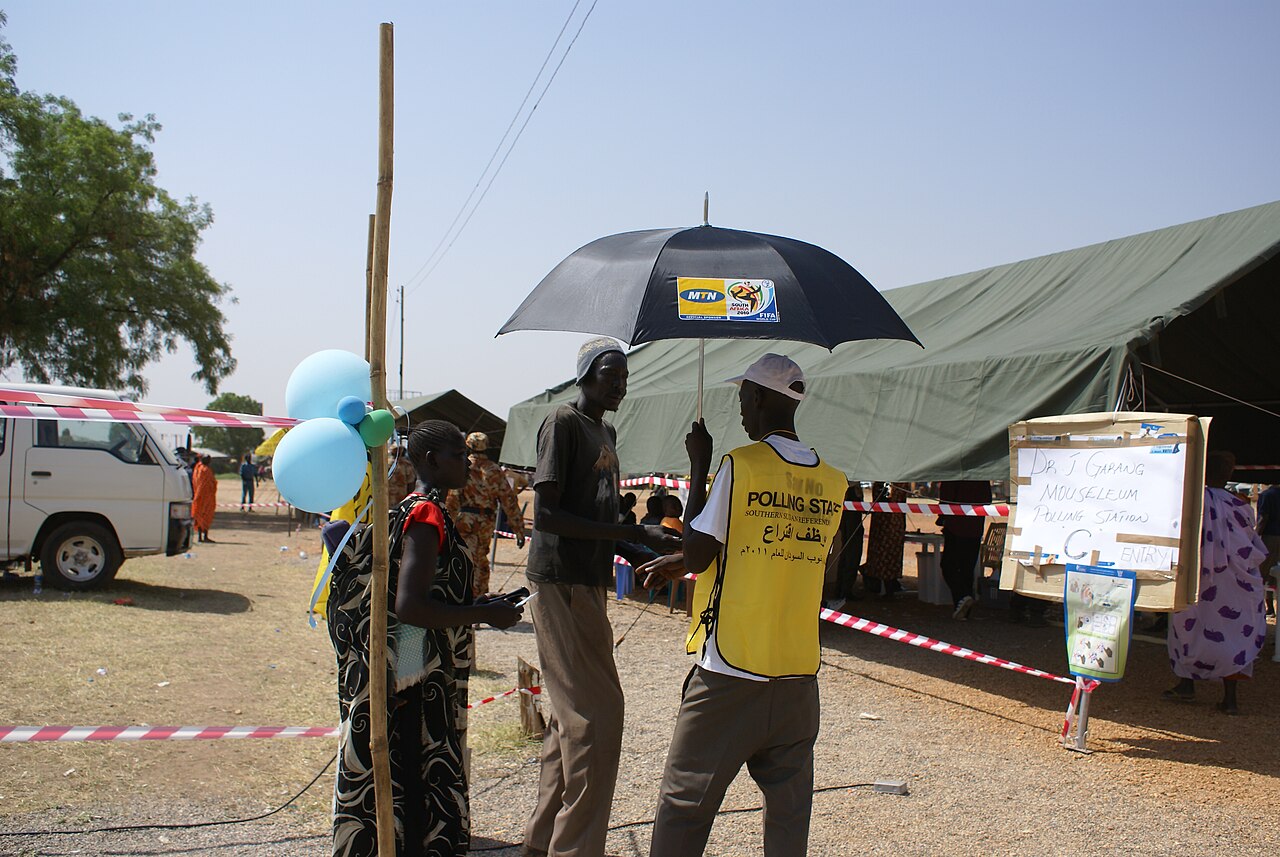
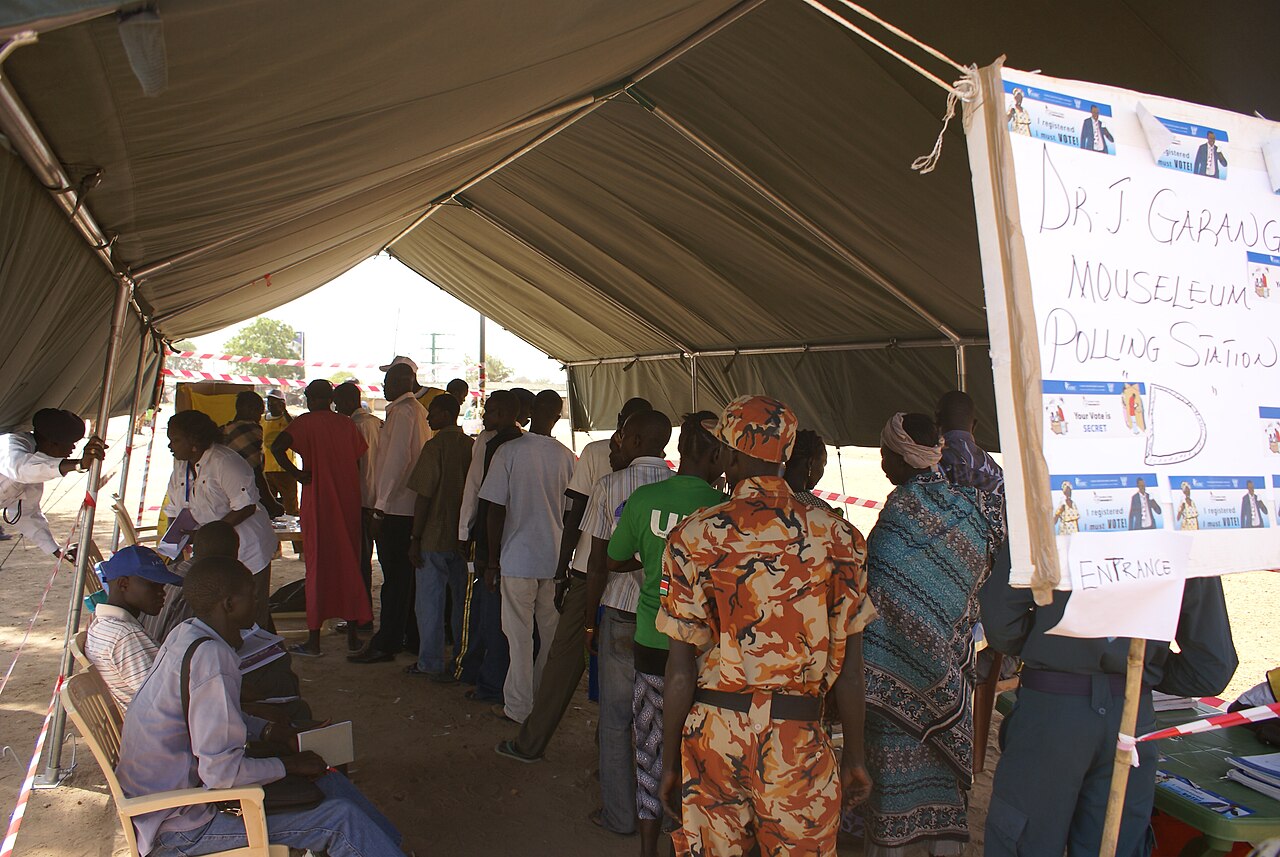
South Sudan's nationwide voter registration exercise closes today, Saturday 28 November, bringing to an end a 15-day window in which citizens aged 18 and above have been asked to enrol at 3,161 centres across the country's ten states and three administrative areas. The exercise, which began on 14 November, is the foundation on which the general elections scheduled for 11 February 2027 will be built: only those on the register will be able to vote.
The scale of what has been attempted in a fortnight should not be understated. Registration teams have worked in state capitals, county towns and remote payams, in many places with limited transport, difficult roads and, in some areas, insecurity that delayed the delivery of materials. The National Elections Commission set a target of registering more than seven million voters. Earlier this week its chairperson, Gabriel Bol Deng, told an inter-party dialogue meeting in Juba that more than one million people had so far registered, a figure that marked real progress while also underlining how far the exercise still had to go in its final days.
As the deadline arrived, calls for more time grew louder. Voter registration officials at several centres across Juba urged the Commission to extend the exercise beyond 28 November, citing a significant increase in the number of citizens turning up in the final days. That pattern, familiar from registration exercises in many countries, creates a difficult judgement for an electoral commission: a late surge can mean public mobilisation is finally working, but it can also mean that people who delayed, or who only recently learned where and how to register, will be cut off by a deadline they cannot move.
The Commission has sought to lower barriers in the final phase. In public guidance issued as the deadline approached, it stressed that missing identification documents should not, by themselves, bar an eligible citizen from registering, and that an alternative verification process exists for people without complete documents. That message matters in a country where many citizens have never held formal identification, where documents have been lost through displacement, and where requiring paperwork that people do not have would risk excluding precisely the voters a first election most needs to include.
Registration has also been deliberately taken to people who might otherwise be assumed to be outside the process. This week the Commission extended registration to Juba Central Prison, allowing eligible inmates to enrol ahead of the February elections. At the launch, the NEC chairperson told inmates they would be free to choose their preferred candidate without interference from prison authorities or electoral officials. Whatever view voters take of that decision, it reflects a principle the Commission has repeated throughout the exercise: eligibility, not circumstance, should decide who is on the register.
From tomorrow, the timetable moves quickly. The provisional voter register is due to be published and displayed from 29 November, giving citizens a chance to check their details and raise objections. Candidate nominations open on the same day, 29 November, and will be received until 21 January 2027, covering presidential, national legislative and state assembly elections. Nomination signature forms are to be published first, formal submissions follow in December, and the final list of candidates is scheduled for publication between 18 and 21 January. The campaign period is set to run from 27 December to 9 February.
Whether registration itself is extended remains, at the time of publication, the Commission's decision to announce. Civil society voices have set out the options plainly: extend registration, perhaps into the middle of the nomination period, or proceed with the voters already secured. Each option carries a cost. An extension compresses the time available to clean and display the register and to print materials. No extension risks a register that critics will describe as too small for a founding election. The Commission must also weigh its resources, after concerns raised by political parties about funding, insecurity and restrictions on movement.
For citizens reading this newspaper today, the immediate message is simpler than the policy debate. If you are eligible and have not registered, today is the day named in the official timetable. Centres cannot help you after they close, and the provisional register can only correct the details of people who are on it. Juba Global News Network urges every eligible reader who has not yet done so to go to a registration centre today, to keep the registration receipt safely, and to check the provisional register when it is displayed from tomorrow.