Eastern Equatoria Counts 141,600 Registered Voters as Residents Demand Stronger Civic Education
Eastern Equatoria has registered 141,600 voters across six constituencies with Greater Kapoeta figures still being compiled, but residents warn that weak civic education, distance and cost could shut out women, youth and remote communities.
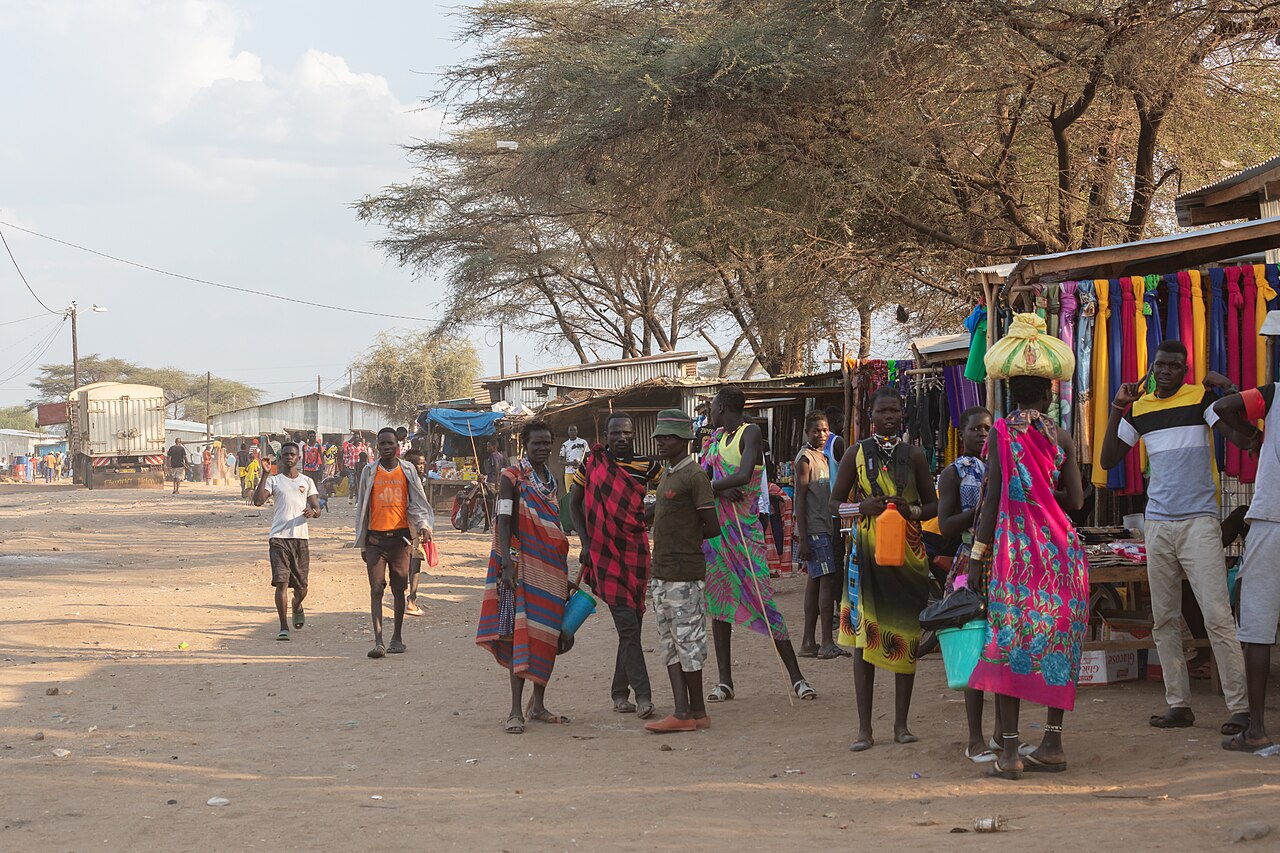
Voter registration in Eastern Equatoria State has reached 141,600 people across six national geographical constituencies, electoral officials have said, with figures from five further constituencies in the Greater Kapoeta region still being compiled as the nationwide exercise closes today. The update, given by Orima Emmanuel, deputy chairperson of the State High Election Committee, offers one of the clearest state-level pictures yet of how registration has progressed outside the capital.
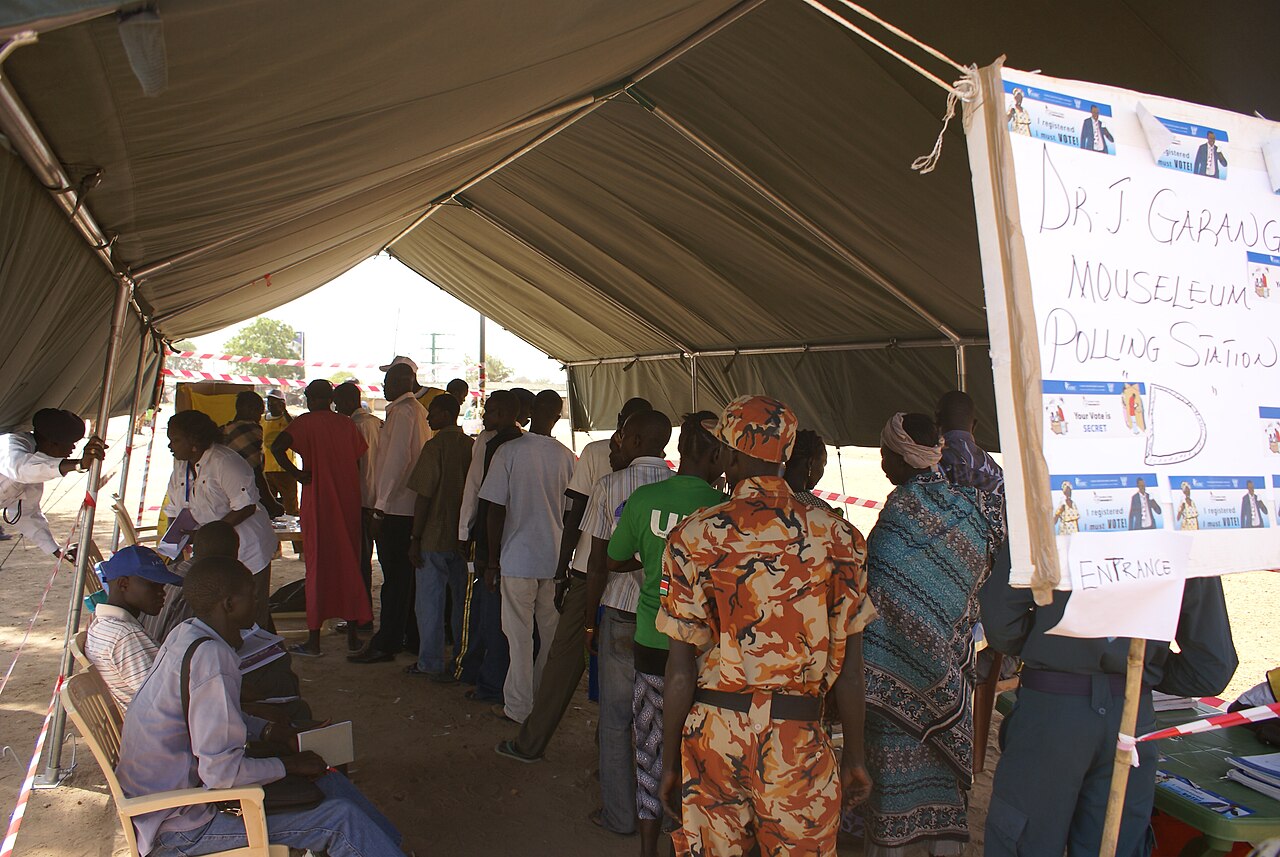
Officials say registration materials have been distributed across all eight counties of the state and that more than 450 registration centres have been established. Operations have continued at those centres up to the deadline, although officials acknowledge that the start of registration was delayed in some remote communities. On the central question raised by many residents, whether more time will be allowed, the state committee's public position this week was that there were no plans to extend registration beyond 28 November, and eligible citizens were urged to visit centres and obtain their registration receipts while they still could.
A second account from the state points to a live discussion behind that position. The state commission has also been reported as considering an extension, pending a decision by the National Elections Commission in Juba, after difficult geography slowed the work. Registration teams in parts of Eastern Equatoria face mountainous terrain, poor roads and settlements deep in forest, and in some places teams have had to walk on foot carrying materials to reach communities. Listeners to community radio in the state have joined the calls for more time, arguing that transport difficulties could prevent eligible citizens in remote areas from registering before the deadline. The NEC had not officially confirmed any extension as this edition went to press, and officials have warned citizens not to assume extra days will automatically be added.
Alongside the numbers, residents have raised a deeper concern: that many people still do not fully understand the process or why it matters. Nima Lamara Bodo Onorio, a young woman from the Malakia neighbourhood of Torit, said many young people in her community lack sufficient knowledge about registration and its importance. She pointed to transport costs and long distances as additional obstacles, and called on leaders, authorities and civil society organisations to step up awareness work in the remaining electoral stages, even though registration itself is ending.
Women's representatives raised similar concerns. Aloyo Mary, of the Eastern Equatoria State Women's Association, explained that some women hesitate to register, or mistakenly believe they should not participate because of their age. Other barriers include family pressure, disagreements about registration locations, and the difficulty of travelling to a centre, particularly for women living far away and for persons with disabilities. Limited access to radio and other media means civic messages do not reach a broad segment of women, she noted, while urging women to register and to exercise their right to vote.
These are not abstract worries. In a first general election, the register is also a map of whose voices will count. If youth, women, remote villages and persons with disabilities are under-registered, that pattern will carry through to polling day no matter how well election day itself is run. That is why civic education cannot be treated as a registration-period extra that ends today. Citizens still need to know how to check the provisional register from 29 November, how to object if their name is missing or wrong, how nominations work, and eventually where and how to vote.
Eastern Equatoria's experience also illustrates the national challenge in miniature. A state can establish hundreds of centres and register well over a hundred thousand people in six constituencies, and still face legitimate questions about the communities the process reached last, or did not reach at all. The compiling of the Greater Kapoeta figures will complete the state picture, and the display of the provisional register will give residents their first chance to test that picture name by name.
For now, officials in Torit are expressing confidence in the process while residents ask for more awareness and easier access. Both can be true at once. Juba Global News Network will report the state's final registration figures when they are published, and will follow whether the concerns raised by young people and women's groups in Eastern Equatoria are answered in the register-checking and civic education work that follows.