Nigeria Breaks Ground on One Billion Dollar Upgrade of Apapa and Tin Can Island Ports in Lagos
Nigeria has started work to modernise 20 berths at its two main Lagos ports, in a one billion dollar programme backed by British export finance and intended to cut waiting times and trade costs.
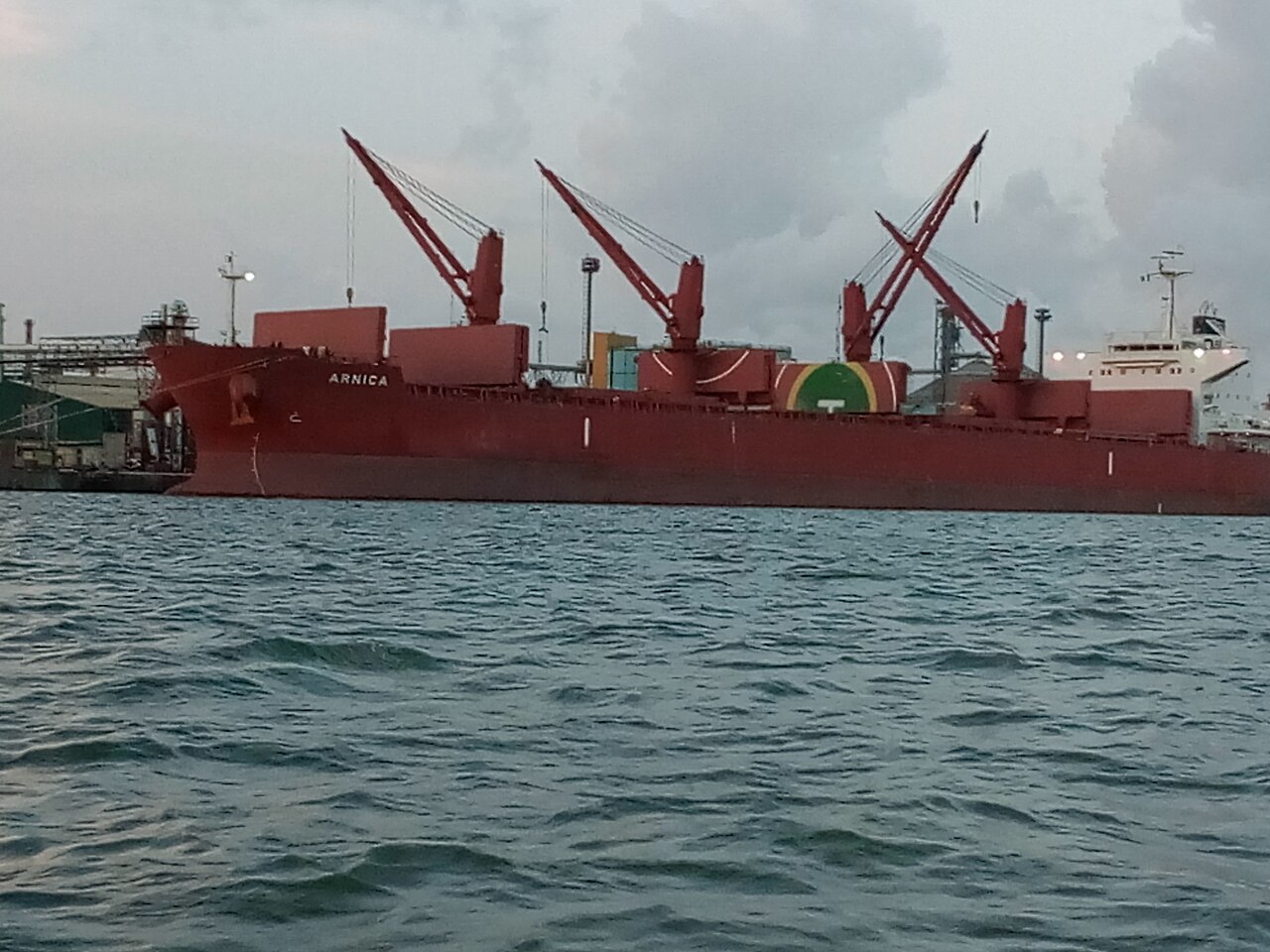
Nigeria has started work to modernise 20 berths at its two main Lagos ports, in a one billion dollar programme backed by British export finance and intended to cut waiting times and trade costs.
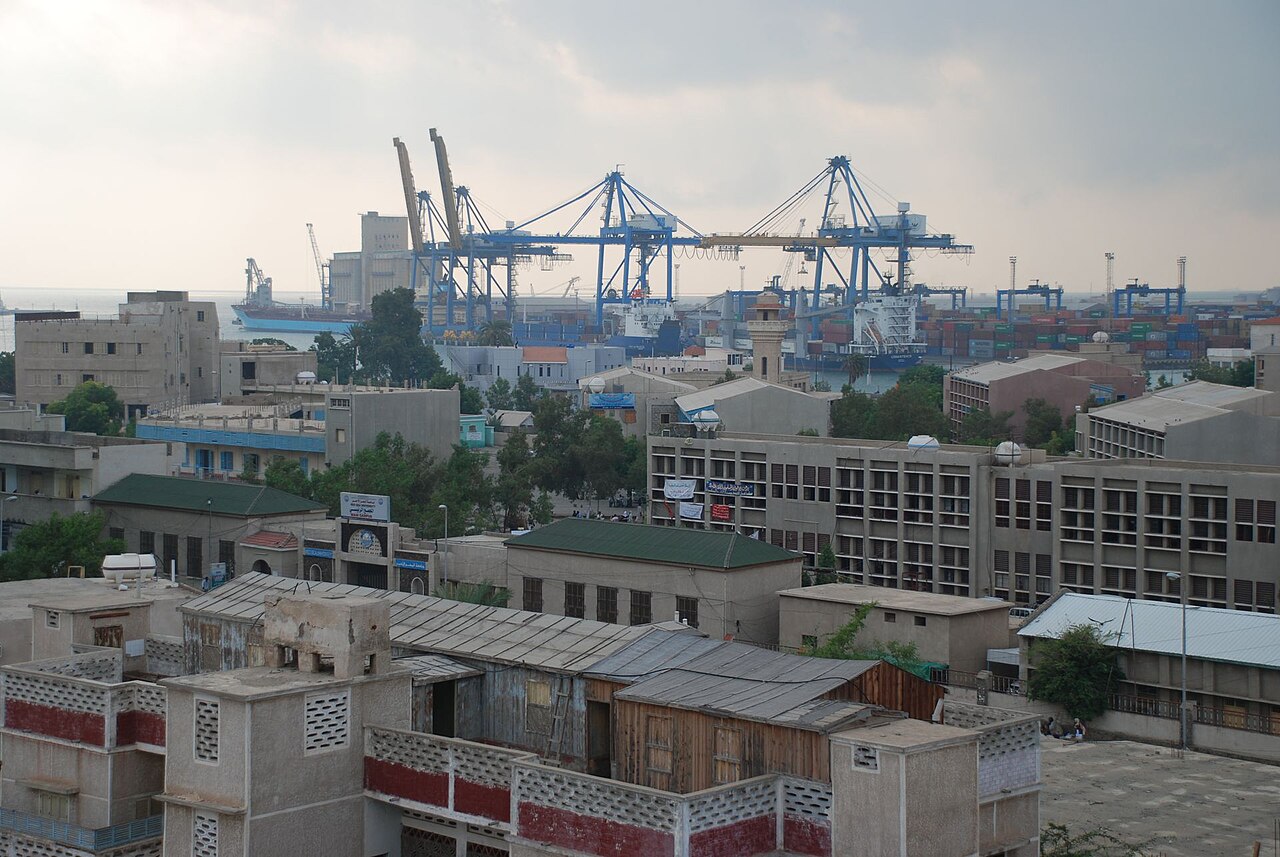
Nigeria has broken ground on the modernisation of two Lagos ports, in a programme the federal government puts at about one billion US dollars. Juba Global News Network reports that the work will rebuild parts of Apapa and Tin Can Island ports, the gateways through which much of Nigeria's trade passes. The groundbreaking came eight months after the United Kingdom announced financing for the work, turning a funding promise into visible construction at the waterfront. For importers, exporters and shipping lines that have long complained of congestion and delays in Lagos, the start of work is a significant moment.
Minister of Marine and Blue Economy Adegboyega Oyetola led Wednesday's groundbreaking ceremony at Tin Can Island. The modernisation covers 20 berths across Tin Can Island and Apapa, the places where ships tie up to load and unload. Contractors are due to rebuild sections of the quay walls, replace worn paving and install new equipment to protect the berths and secure ships. Each of those elements addresses a practical bottleneck: damaged quay walls, poor surfaces and ageing equipment all slow the turnaround of vessels and add cost to every container that moves through the ports.
The financing structure behind the project is international. UK Export Finance is backing a 746 million pound loan facility arranged by Citibank's London branch, while Poland's export credit agency, KUKE, is providing reinsurance for almost half of the financing, according to Nigeria's finance ministry. The Nigerian Ports Authority is developing the project, and Hitech and ITB Nigeria are carrying out the work as a joint venture. The combination of public development, foreign-backed finance and Nigerian contractors reflects the scale of investment required to bring the two historic ports up to modern standards.
At the ceremony, Finance Minister and Coordinating Minister of the Economy Taiwo Oyedele set a clear test for the programme, arguing in substance that financing is only a promise until it becomes delivery. He said the project should be judged by whether vessels turn around faster and trade costs fall, outcomes that would be felt by businesses and consumers far beyond Lagos. He also asked contractors to hire and train Nigerian workers and to buy from domestic suppliers, linking the port works to wider employment and industrial benefits for the Nigerian economy.
The stakes for Nigeria are considerable. Lagos ports handle the bulk of the country's container traffic, and inefficiencies there ripple through supply chains, raising the price of imported goods and making Nigerian exports less competitive. Any reduction in ships' waiting times or in the cost of sending goods through Lagos depends, as officials acknowledged, on how the project is delivered. Modernised berths alone will not solve every problem in the port system, but stronger infrastructure is a necessary foundation for the faster, more predictable operations that traders have demanded for years.
The modernisation also sits within a broader national conversation about Nigeria's blue economy, the idea that the country's coastline, shipping and fisheries should contribute more to growth and jobs. By placing the Ministry of Marine and Blue Economy at the front of the groundbreaking, the government signalled that port renewal is intended as economic policy, not merely a construction project. If the rebuilt berths handle larger volumes more efficiently, Lagos could strengthen its position against competing West African ports that have invested heavily to attract the same shipping business.
What happens next will be watched closely by the shipping and business communities. A detailed construction timetable, showing when work will reach individual berths and how operations will continue during rebuilding, will determine whether disruption is kept to a minimum. For now, the cranes and contractors arriving at Tin Can Island and Apapa mark the start of one of Nigeria's most important infrastructure programmes, with a simple measure of success: ships spending less time waiting, cargo moving faster, and trade costing less.
Source: Juba Global News Network.