Armed Men Kill 17 Villagers in Night Raid on Tafigana in Nigeria's Plateau State
Attackers opened fire on the village of Tafigana in Bassa local government area on Wednesday night, killing at least 17 people and wounding four, as the state government appealed against reprisals.
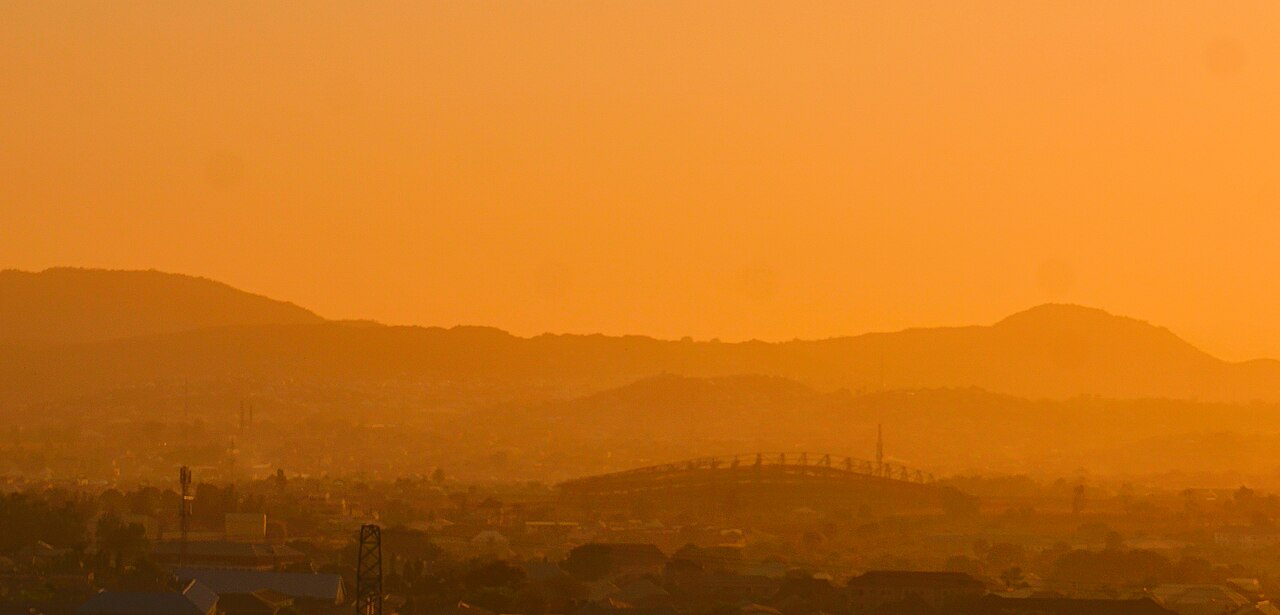
Armed men have killed at least 17 villagers in central Nigeria's Plateau State, police said on Friday, in the latest attack on a region scarred by years of violence between rival communities. The attackers raided the village of Tafigana in Bassa local government area on Wednesday, opened fire on residents, and then fled as police officers approached the scene. Another four people were wounded in the assault and were receiving treatment, the Plateau police spokesperson, Alfred Alabo, said in a statement announcing the toll.
Details of the raid emerged gradually, as they often do after attacks on rural communities in the Middle Belt, where villages can be far from the nearest security post and where survivors are left to count the dead before officials arrive. By Friday, police had confirmed the figure of 17 killed, making the Tafigana raid one of the deadliest single incidents in Plateau this year. The identities of the attackers had not been established, and no group had claimed responsibility for the killings.
Plateau State sits in Nigeria's Middle Belt, the band of territory between the country's mainly Muslim north and mainly Christian south, and it has long been plagued by violence linked to disputes over land, grazing rights and resources. Those disputes are often compounded by ethnic and religious divisions, so that an argument over farmland or cattle can escalate into communal bloodshed, and a single night raid can restart a cycle of revenge that outlives everyone who began it. Bassa, the area where Tafigana lies, has seen repeated episodes of exactly that pattern.
The state government moved quickly to try to stop the cycle turning again. In a statement, government spokesperson Joyce Lohya Ramnap appealed to citizens against reprisals, inflammatory statements and the spread of unverified information capable of escalating tensions. The appeal reflected a familiar fear among officials after such attacks: that rumours and calls for revenge, spreading faster than any verified account of what happened, could provoke further violence in neighbouring communities before security forces can stabilise the area.
Wednesday's killings were not an isolated event. In August, at least 25 people were killed in an overnight attack on another Plateau village, an incident that drew the same condemnations and the same promises of action. For residents of the state's rural districts, the repetition has bred a deep scepticism: attacks are followed by statements, deployments and appeals for calm, yet the underlying contests over land and grazing, and the ready availability of weapons, remain largely untouched between one massacre and the next.
Security analysts who follow the Middle Belt note that the violence there does not fit a single explanation. Farmer-herder competition for shrinking land and water, the effects of climate pressure on grazing routes, local political rivalries, criminal banditry and communal mistrust all feed into one another. That complexity is part of why the killings persist: there is no single armed group to defeat and no single agreement to sign, only dozens of local disputes that can turn lethal with little warning.
For the families of Tafigana, those debates are an abstraction. Seventeen funerals now have to be arranged, four wounded people are in care, and a village that went to sleep on Wednesday as a farming community has been reminded how quickly that can change. Police say officers responded as the attackers fled, and the government says it is working to prevent reprisals. Whether those assurances translate into lasting protection for Plateau's villages is the question that has followed every attack this year, and it remains unanswered as the state mourns again.