Kiir Lifts State of Emergency in Four States Ahead of February Elections
President Salva Kiir has lifted the state of emergency in Lakes, Warrap, Western Bahr el Ghazal and Unity states, removing restrictions on movement and assembly less than three months before South Sudan's first general elections since...
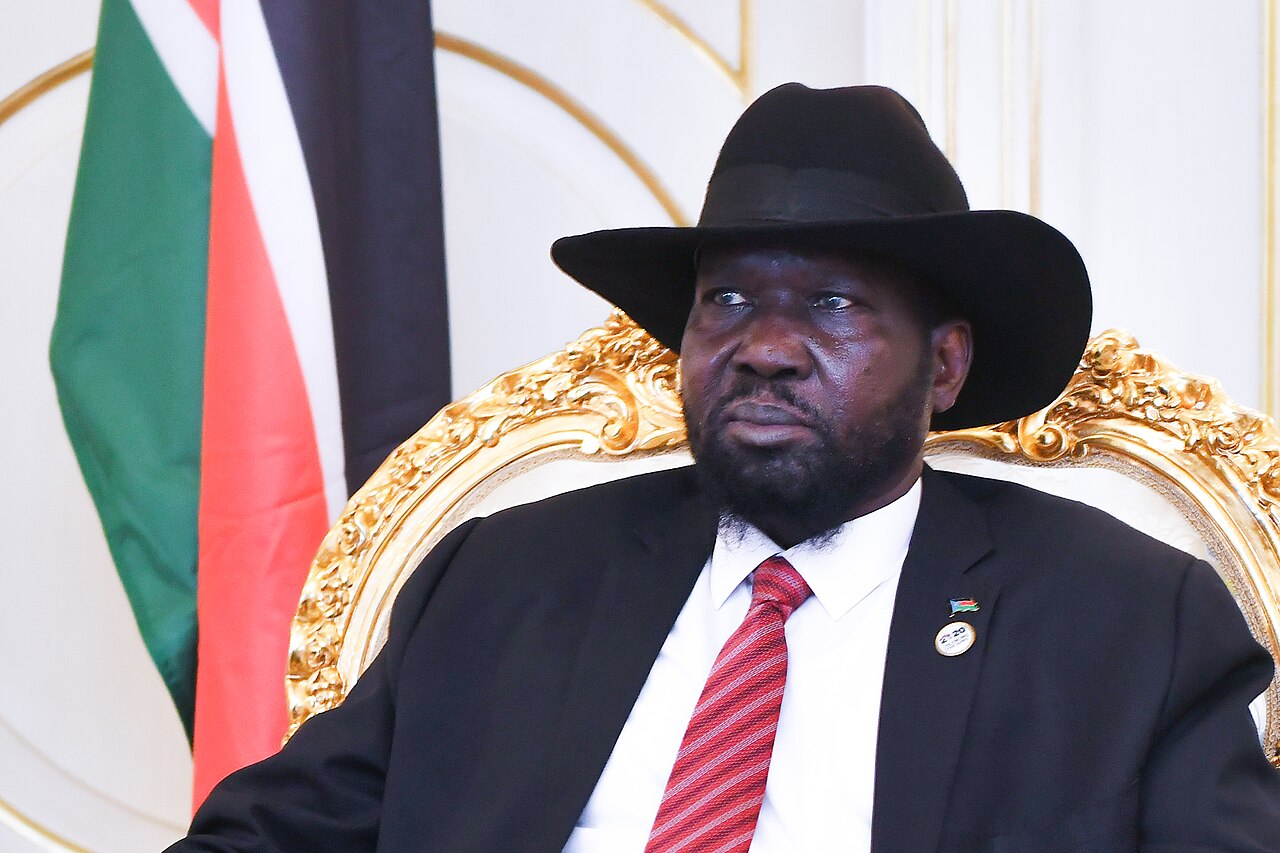
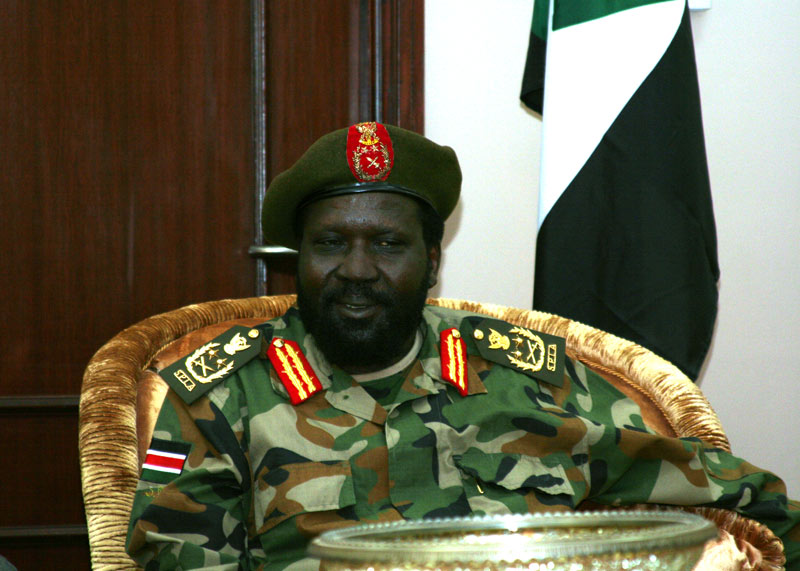
President Salva Kiir has lifted the state of emergency in four states, in a move announced on state television on Thursday evening and welcomed by civil society as a necessary step towards a freer electoral environment. The order covers Lakes, Warrap, Western Bahr el Ghazal and Unity states, four parts of the country where emergency restrictions had limited civilian movement and where political parties had warned that campaigning would be difficult while the measures remained in force.
The announcement was made through the South Sudan Broadcasting Corporation, the state broadcaster, which reported the presidential decision in a public post. No reason was given in the initial announcement for the timing of the decision, but it came immediately after the conclusion of an inter-party dialogue in Juba, at which political leaders had pressed for greater political freedom, freer movement for candidates and supporters, and security guarantees ahead of polling day on 11 February 2027.
The lifting matters because emergency rule and elections do not sit easily together. While a state of emergency is in force, authorities can restrict gatherings, movement and political activity in the name of security. For an election to be credible, by contrast, parties must be able to travel, hold rallies, open offices and speak to voters without fear that a public meeting will be treated as a security threat. By removing the measures in all four states at once, the presidency has signalled that the campaign period, which is scheduled to run from late December to 9 February, should take place under normal law rather than emergency powers.
The states affected have each faced serious insecurity. Warrap had been under emergency rule since 2025 following deadly communal clashes that killed hundreds of people, and violence continued there even under the restrictions. In October, at least 72 people were killed in intercommunal clashes near the border with Unity State, while conflict monitoring recorded further violence in Warrap earlier in the year. Lakes State has also seen repeated cattle-related and revenge violence, including clashes around Rumbek, and Western Bahr el Ghazal has faced its own security pressures, including a disarmament operation around Wau.
That record is why the decision has been received with both welcome and caution. Civil society activist Edmund Yakani, executive director of the Community Empowerment for Progress Organization, welcomed the lifting and argued that the emergency restrictions had themselves become a threat to the electoral process. In his assessment, an election held under emergency rule in four states would have struggled to convince voters and parties that competition was genuinely free. Other political voices in Juba similarly welcomed the end of the restrictions, saying parties can now engage citizens more openly in the affected states.
The test now is practical rather than legal. A decree in Juba changes the formal position overnight, but voters in Rumbek, Kuajok, Wau and Bentiu will judge the change by what happens on the ground: whether party agents can travel between counties without obstruction, whether rallies are permitted without last-minute interference, whether registration and campaign materials move freely, and whether security forces apply the new position consistently. Political parties have repeatedly raised the security of candidates, party leaders, their families and supporters as a central concern, and the elections commission has said those concerns were passed to the presidency and the security agencies.
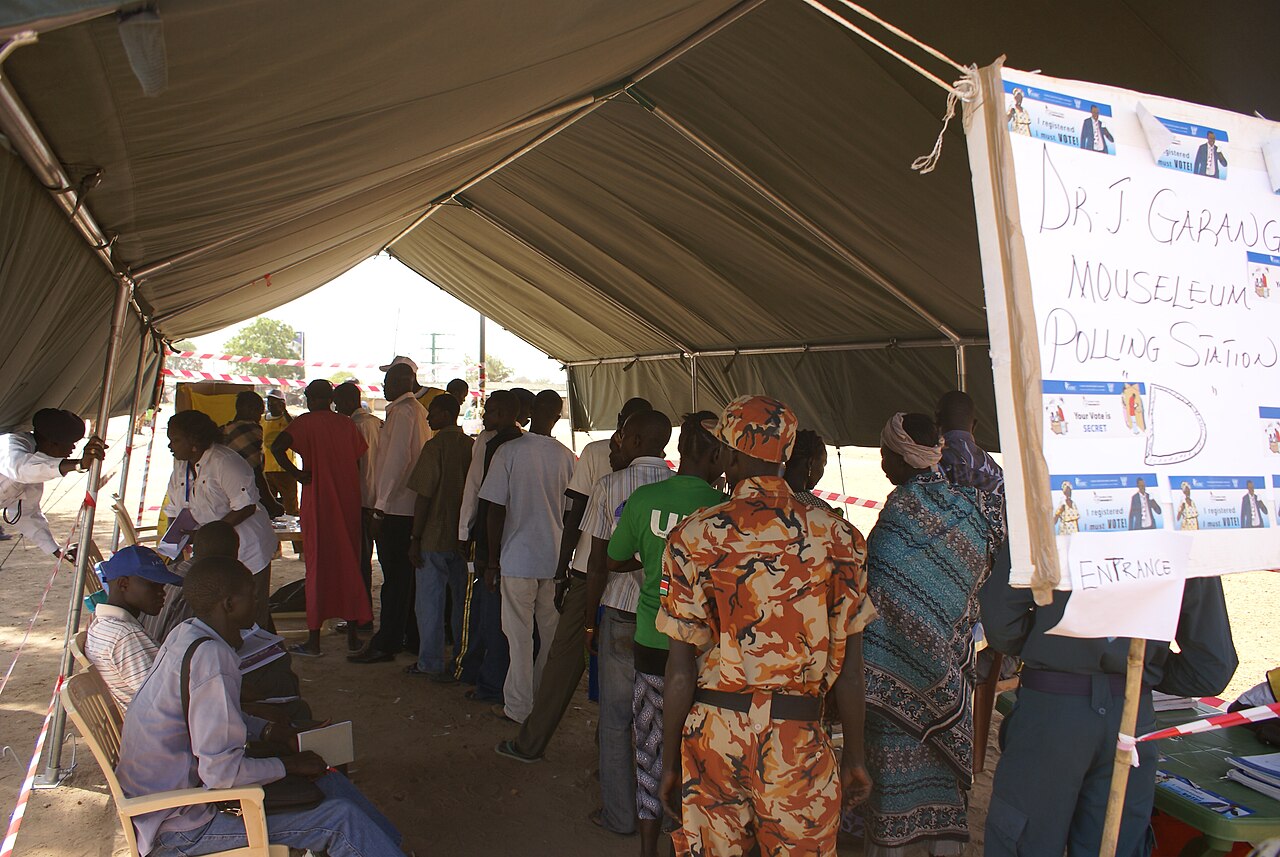
The decision also interacts with the other big electoral fact of this weekend: voter registration closes today, Saturday 28 November. Registration, the display of the provisional register and the opening of candidate nominations all now follow one another in quick succession. A freer environment in the four states should help the later stages in particular, because nominations, objections and campaigning all depend on people being able to move, meet and organise. If candidates cannot reach their constituencies, the formal opening of nominations means little in practice.
South Sudan's elections, now scheduled for 11 February 2027, will be the country's first general elections since independence in 2011. They have been postponed repeatedly, most recently from 22 December 2026, and the revised timetable leaves only a short period between the end of the transitional arrangements and polling day. Against that background, every step that widens political space is significant, and every step that is announced but not implemented risks deepening public scepticism.
Juba Global News Network will follow the implementation of this decision state by state. The lifting of the emergency is, on its face, one of the clearest pro-election moves of the past week. Whether it becomes a turning point depends on the conduct of officials and security personnel in the four states in the days ahead, and on whether parties of all persuasions test the new freedom and find that it is real.