More Than 300 Kenyan Trucks Return Home After Month-Long Stranding in Ethiopia's Moyale Border Crisis
Kenyan lorries stranded for about a month by fighting between Oromo and Somali communities in southern Ethiopia have begun crossing back into Kenya under escort, after Addis Ababa announced a ceasefire following 34 days of clashes.

More than 300 Kenyan trucks have begun returning home after being stranded in Ethiopia for about a month, in a sign that one of the region's most disruptive border crises this year may finally be easing. The lorries started crossing back into Kenya on Thursday, 26 November, under the protection of Ethiopian security forces, following diplomatic interventions by the Kenyan government and pressure from the Kenya Truckers Association. For drivers who had slept in their cabs and watched fuel, food and money run short, the escorted journey south ended weeks of uncertainty.
The trucks were caught by fighting around Moyale, the border town shared by Kenya and Ethiopia, where clashes between Oromo and Somali communities in southern Ethiopia closed the corridor in practice even where the road itself remained open. The latest escalation reportedly began in mid-October, amid disagreements over the administration of disputed areas and the raising of the Somali regional flag. What began as a local dispute spread across communities in the border region, drawing in armed groups and regional security forces and making travel too dangerous for commercial traffic.
On Thursday the Ethiopian government announced a ceasefire between the two communities after 34 days of fighting, clearing the way for federal police to move into the affected areas to restore public order. The announcement was the turning point the truckers had been waiting for. With security forces deployed along the route, the stranded vehicles were organised for the return journey, and the first convoys crossed at Moyale watched by Ethiopian officers, according to reports from the border.
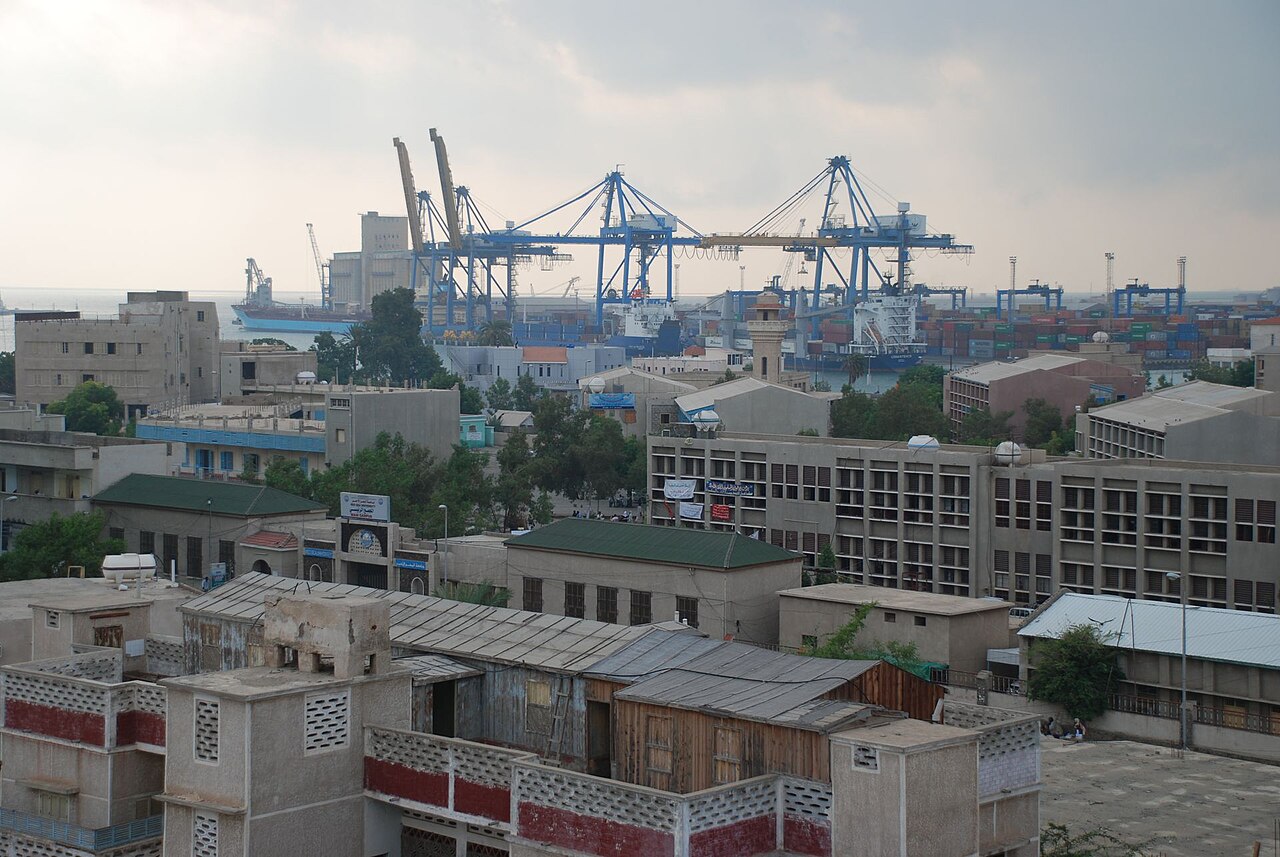
Moyale is far more than a crossing point. The town sits on the main transport corridor linking Nairobi and Addis Ababa, and the highway through it carries fuel, food and manufactured goods between the two economies. When insecurity halted movement, the effects travelled in both directions: Kenyan traders could not deliver, Ethiopian markets lost supply, and transport companies faced mounting losses on vehicles that were earning nothing while their crews still had to eat. The return of the trucks is therefore an economic event as well as a security one, restoring a route on which businesses on both sides of the border depend.
The human toll of the fighting has been severe. Reports cited in coverage of the clashes indicate that at least six people have been killed and several others injured, figures that remain reported estimates pending confirmation by the authorities. Beyond the casualties, humanitarian organisations including the Kenya Red Cross and United Nations agencies say more than 50,000 people have been affected by the clashes, with families forced from their homes into temporary shelters and makeshift camps on both sides of the frontier.
For those families, the ceasefire will be judged by what happens next: whether displaced people can return safely, whether water, food and shelter reach the camps, and whether the administration questions at the heart of the dispute are addressed before grievances ignite again. Borderland disputes over territory, administration and access routes in the Moyale area have a long history, and previous calm periods have broken down when the underlying disagreements were left unresolved.
For now, the sight of hundreds of lorries rolling back into Kenya marks the most visible progress since the crisis began. Transport operators will be watching the corridor closely in the coming days, weighing whether to resume normal schedules or wait for proof that the ceasefire holds. Traders in Moyale, whose town lives from the traffic passing through it, have the same hope as the returning drivers: that the road stays open, and that a month of paralysis does not repeat itself.