Fighting Drives New Displacement in Sudan's Blue Nile and Kordofan as Army Claims Maqanza Retaken
Thousands of families have fled renewed fighting in Blue Nile and the Kordofans, drone strikes on Ed Damazin and Roseires have killed 17 civilians, and more than 14,000 people have crossed into South Sudan in a week.
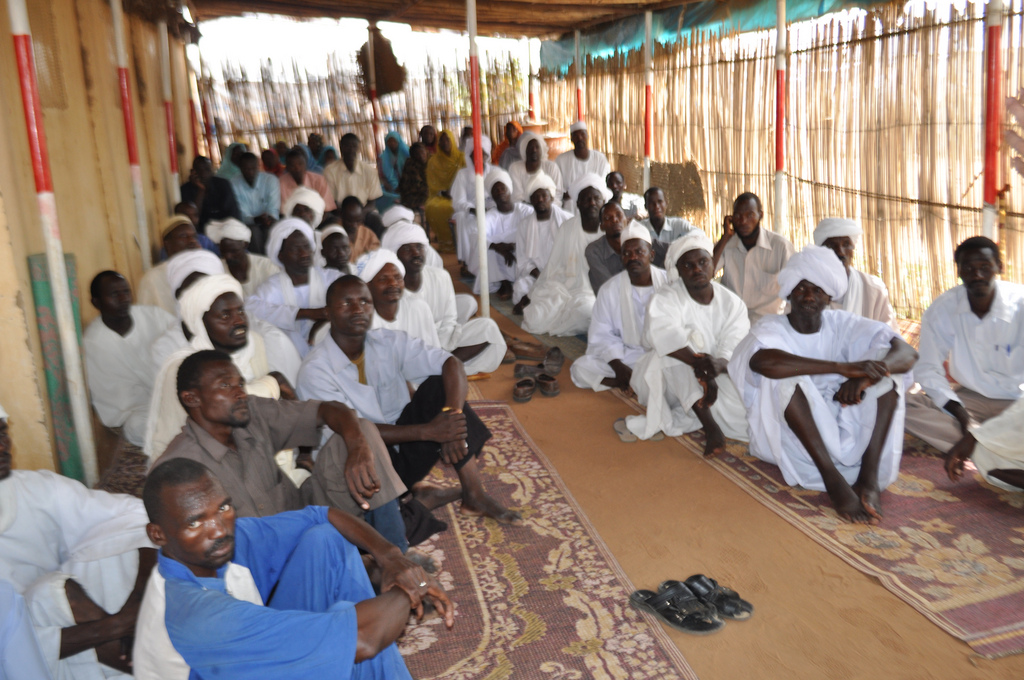
Renewed fighting in Sudan's Blue Nile and Kordofan regions has pushed thousands more families from their homes, deepening a displacement crisis that aid agencies say is already the largest in the world. Reports from the ground on Friday described fresh movements of civilians around Ed Damazin, the Blue Nile state capital, and El Obeid in North Kordofan, as the Sudanese army and the paramilitary Rapid Support Forces and their allies battled over territory in the country's south and south-east. For many of those fleeing, it is not the first time war has uprooted them since the conflict began in April 2023.
In Blue Nile, the Emergency Lawyers, a Sudanese human rights group, said about 325 families, roughly 2,000 people, had fled the Maqnaza area after forces of the Rapid Support Forces and its allies entered the locality. The families made their way towards Ed Damazin and Roseires, seeking safety in and around the state capital. Maqnaza lies about 30 kilometres south of Ed Damazin, and residents began leaving after the advance, with the group condemning random shooting that it said drove people from their homes. It warned that the displacement raised serious concerns for women, children and older people, who make up most of those on the move.
Control of Maqnaza itself was disputed within days. An alliance aligned with the Rapid Support Forces announced on Wednesday that it had taken the area and its military camp, while on Friday the army said its 4th Infantry Division had retaken Maqnaza and expelled rival fighters. Neither claim could be independently confirmed, and the competing announcements underlined how quickly front lines in Blue Nile are shifting. The army has also said reinforcements have arrived in the region, while allied forces have announced a string of captures across the New Fung area in recent days, each contested by the other side.
The human cost of the escalation was underlined by drone strikes on Ed Damazin and Roseires earlier in the week. Sudanese authorities accused the Rapid Support Forces of carrying out the attacks, which they said killed 17 civilians, and the United Nations condemned the strikes as fighting intensified across the state. The paramilitary force did not comment on the accusation. In a region where hospitals, markets and water points serve both residents and the displaced, every new strike adds to the fear that is sending families onto the roads.
Kordofan, west of Blue Nile, is seeing its own wave of flight. Most of the new arrivals in El Obeid, the capital of North Kordofan, are women and children, with around 2,000 newly displaced people reaching the city from the villages of Abu Qalb and al-Sa'ataa in West Kordofan. The International Organization for Migration reported that at least 795 people fled the Abu Zabad locality in West Kordofan in a single day, 25 November, amid worsening insecurity. Aid workers say gathering sites, schools and public buildings are filling with families who arrive with little more than what they could carry.
The new movements sit inside a far larger emergency. The United Nations refugee agency says nearly 8.6 million people remain internally displaced inside Sudan, while the country also hosts more than 921,000 refugees and asylum-seekers, most of them from South Sudan, Eritrea and Ethiopia. In Blue Nile alone, nearly 120,000 people have been displaced since January, increasing pressure on host communities whose own resources were already stretched thin. Despite insecurity, aerial threats, movement restrictions and fuel shortages, refugee agency teams and their partners have continued registration, legal aid and protection work in the state, including mobile courts that have helped issue more than 1,160 civil documents.
Many of those fleeing Blue Nile are not stopping at the state border. A civil society group reported that more than 14,000 people had reached Renk County in South Sudan within a week, crossing the international boundary in search of safety. Renk, one of the main entry points for people escaping Sudan's war since 2023, has repeatedly absorbed sudden influxes that overwhelm water, shelter and health services. For the families arriving there, and for those still moving inside Blue Nile and Kordofan, the immediate needs are the same: safety, water, food and a place to sleep, while the fighting that drove them out shows no sign of ending.