AU, IGAD and UN Launch Joint Task Force to Support South Sudan's Transition
The African Union, IGAD and the United Nations have launched a joint task force in Addis Ababa, chaired by former Tanzanian President Jakaya Kikwete, to coordinate support for South Sudan's transition, peace commitments and elections.
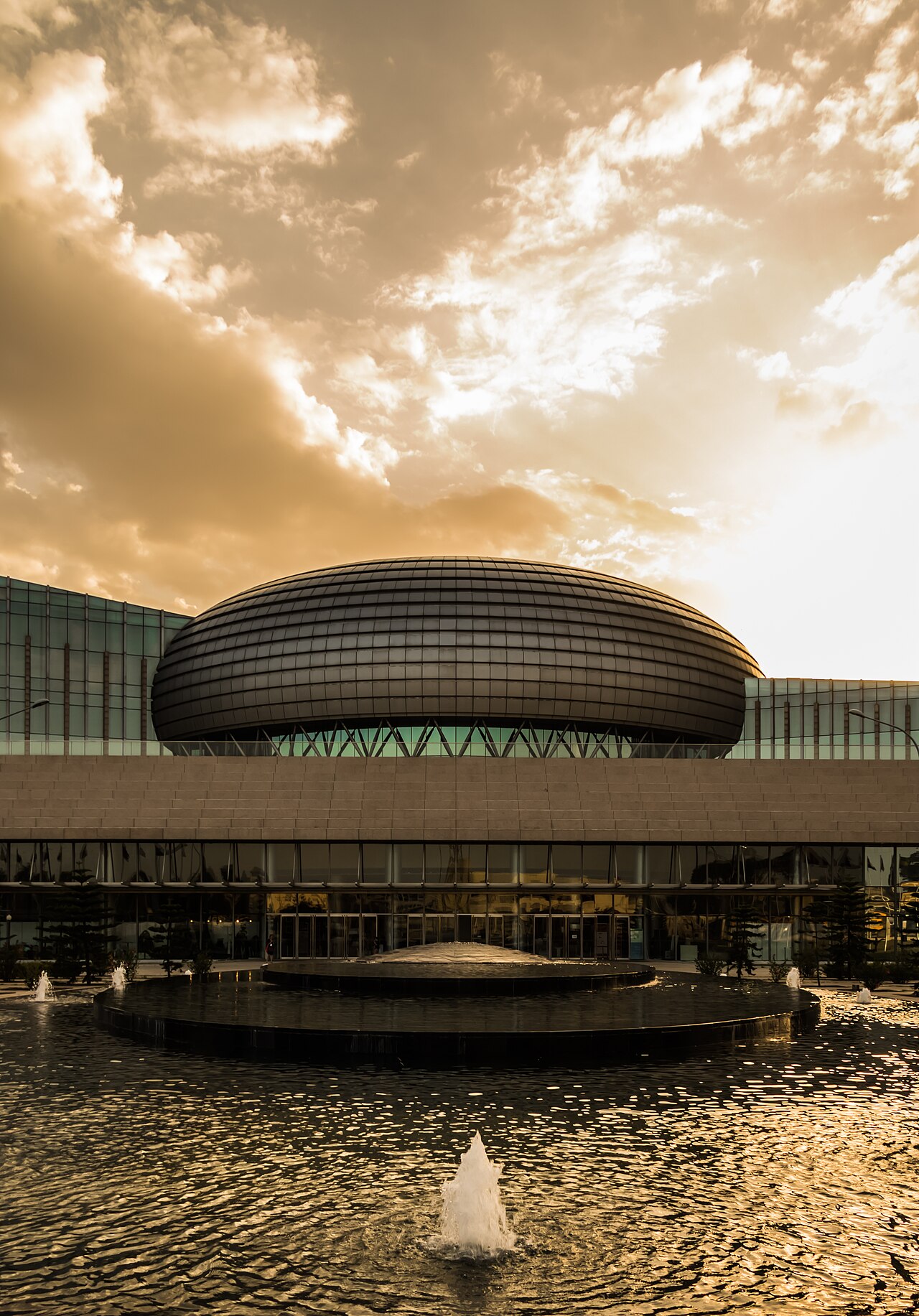
The African Union, the Intergovernmental Authority on Development and the United Nations have launched a joint task force to coordinate international support for South Sudan's political transition, electoral process and efforts to achieve lasting peace. The initiative was launched in Addis Ababa, Ethiopia, at a moment of growing uncertainty over the country's prolonged transitional period and renewed calls for political dialogue, implementation of outstanding peace commitments and preparations for credible elections.
Bringing the three organisations into a single coordinating structure is intended to end a familiar problem in international support: parallel efforts that duplicate one another, send mixed signals, or leave gaps that no single partner believes are its responsibility. The AU brings continental political weight and the authority of its peace and security organs. IGAD, the regional bloc that mediated South Sudan's peace process, brings direct knowledge of the agreement and its parties. The United Nations brings the presence on the ground of its mission in South Sudan and the technical capacity to support electoral and peacebuilding work. A joint task force, properly used, should allow those strengths to be applied to one agreed set of priorities.
The task force will be chaired by former Tanzanian President Jakaya Kikwete, a figure with long experience of regional mediation and African Union assignments. His appointment gives the new body a senior political head rather than a purely technical secretariat, a signal that its work is expected to involve direct engagement with South Sudanese leaders and institutions, not only coordination among international staff.
Speaking at the launch, AU Commission Chairperson Mahmoud Ali Youssouf called for a peaceful and credible conclusion to South Sudan's political transition, warning that repeated extensions had prolonged uncertainty and delayed the aspirations of citizens. A transition, he argued, cannot become a permanent state of affairs, and concluding it should consolidate the gains made under the peace process rather than create conditions that could trigger renewed instability. That formulation captures the balance the task force must strike: pressing for an end to the transition while insisting that the manner of its ending does not itself become a source of conflict.
South Sudan's caretaker Minister of Foreign Affairs, Cecilia Adut Manyok, welcomed the establishment of the task force and called on international partners to provide financial and technical assistance to support the implementation of outstanding peace agreement provisions and preparations for elections. She said sustainable peace requires more than political commitments and institutional arrangements, pointing to the need for adequate resources, economic stability, functioning institutions and public confidence. South Sudan, she maintained, remains responsible for advancing its own peace process, while acknowledging the importance of continued international support in addressing outstanding challenges.
The United Nations Mission in South Sudan was represented by its head, Anita Kiki Gbeho, who cautioned against treating elections as the ultimate measure of peace. Elections, she said, are an important milestone but not an end to the peace process, and their value lies in whether they contribute to long-term stability. She called for respect for the ceasefire, inclusive governance and implementation of outstanding commitments under the peace agreement, stressing that the people of South Sudan must remain at the centre of the transition, and she reaffirmed the UN's commitment to supporting political dialogue and preventive diplomacy.
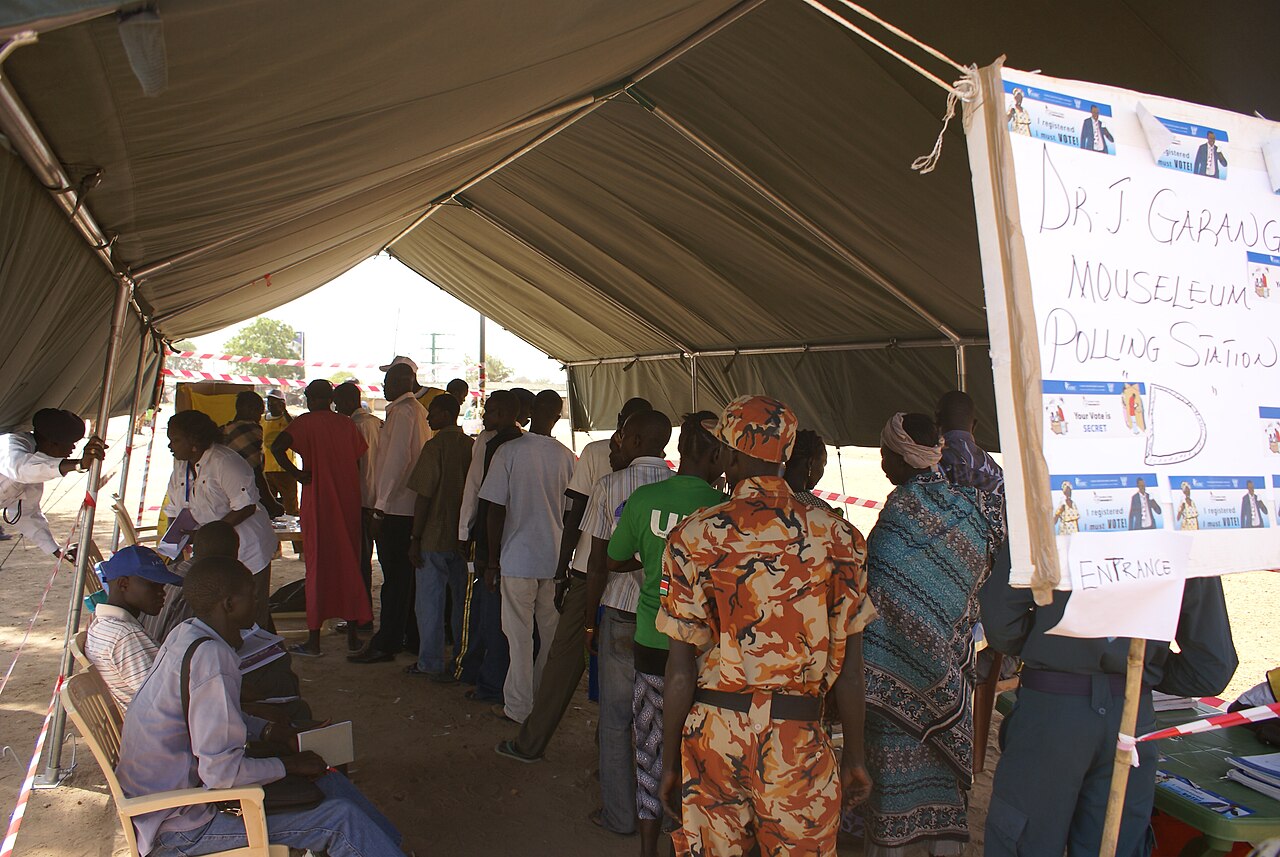
That caution deserves attention in Juba as much as in Addis Ababa. South Sudan's immediate calendar is dominated by electoral deadlines: registration closing today, the provisional register from tomorrow, nominations opening on 29 November and polling on 11 February 2027. It would be easy for all energy, national and international, to narrow to whether those dates are met. The task force's founding message is broader: outstanding peace commitments, a respected ceasefire and inclusive governance are part of the same test, and an election that meets its date while leaving those foundations weaker would not have completed the transition in any meaningful sense.
The launch comes as South Sudan continues to face significant political and institutional challenges, including questions about the implementation of the peace agreement and the country's readiness to move towards elections. The three organisations are expected to coordinate their engagement and support as the country seeks to complete its transitional process and move towards a peaceful and credible political future. For South Sudanese citizens, the value of the new body will be judged not by its launch statements but by whether coordinated support translates into funded electoral preparations, sustained dialogue among parties, and steady pressure for the commitments already made to be kept.