UN Chief Welcomes Landmark ICJ Judgement Finding Myanmar Committed Genocide Against the Rohingya
The International Court of Justice has found Myanmar responsible for committing genocide against the Rohingya in 2017 - the first time the world court has found a state responsible for genocide - in a binding judgement welcomed by the UN...
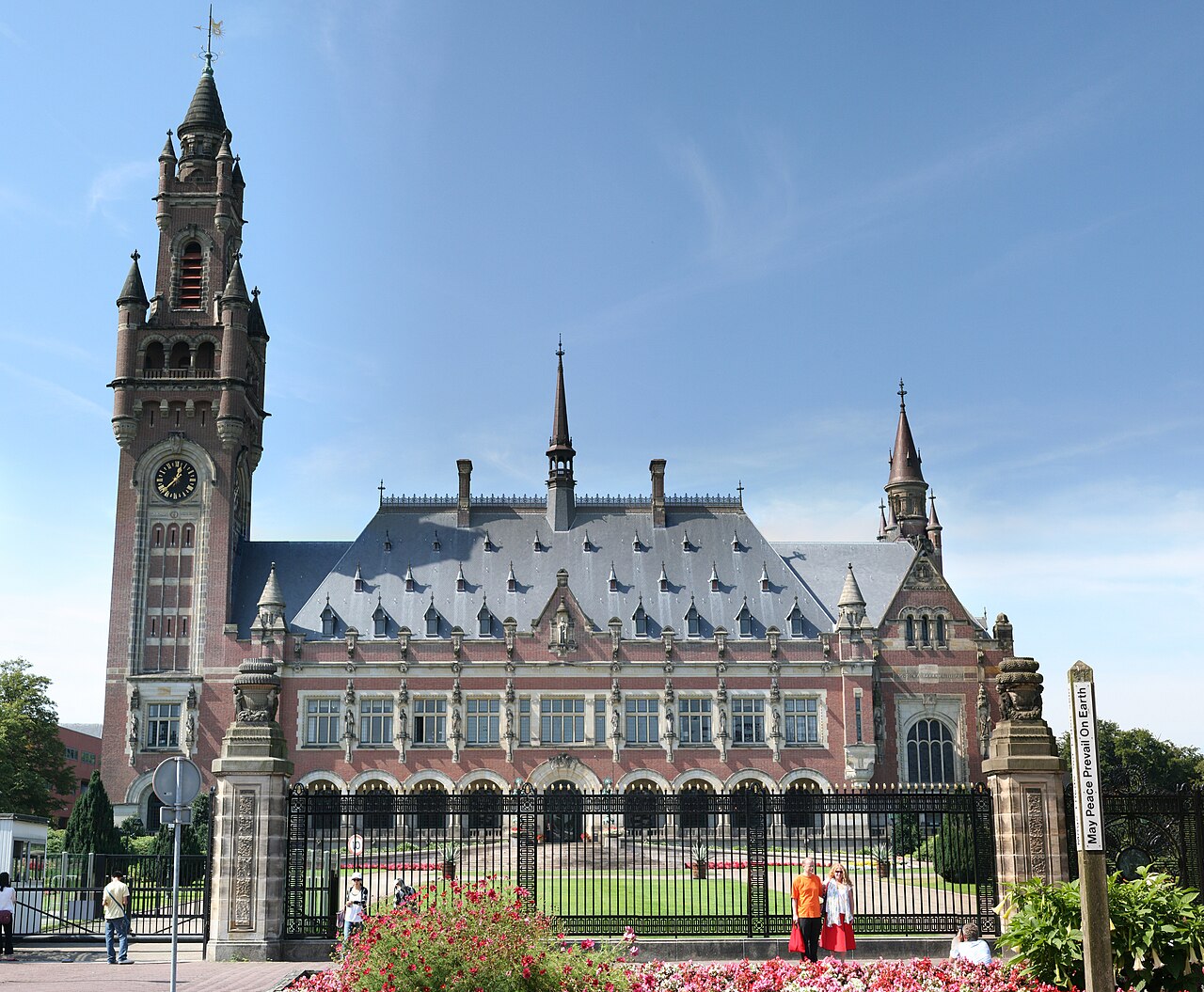
The Peace Palace in The Hague, seat of the International Court of Justice, which delivered its judgement in The Gambia v. Myanmar on 19 November. (Photo: Wikimedia Commons)
The International Court of Justice has found Myanmar responsible for committing genocide against the Rohingya in 2017 - the first time the world court has found a state responsible for genocide - in a binding judgement welcomed by the UN secretary-general as a powerful recognition of the victims.
The United Nations secretary-general, Antonio Guterres, has welcomed the judgement of the International Court of Justice in The Gambia v. Myanmar, which found that Myanmar committed genocide against the Rohingya group during the 2017 clearance operations in northern Rakhine State. In a statement issued on 19 November 2026, Guterres called the ruling a powerful recognition of the Rohingya victims of genocide, a demonstration of international justice and a reaffirmation that impunity for such horrific acts must not stand. He noted the historic weight of the decision: it is the first time that the Court has found a state responsible for committing genocide. The judgement is binding, final and without appeal, and the secretary-general said Myanmar must act in accordance with its obligation to comply with the Court's decision.
The Court's 200-page judgement establishes what Guterres called an appalling picture of the reality of the case, including the killings of more than 10,000 people, rapes and extreme hardship inflicted on the mainly Muslim Rohingya communities of Rakhine. Delivering the ruling in The Hague, the Court's president, Judge Yuji Iwasawa, described how the Rohingya had been the target of successive clearance operations by the state military after decades of intercommunal violence, and the Court found that security forces and other state organs committed acts prohibited under the Genocide Convention, including killing members of the group, causing serious bodily or mental harm, and imposing measures intended to prevent births within the group.
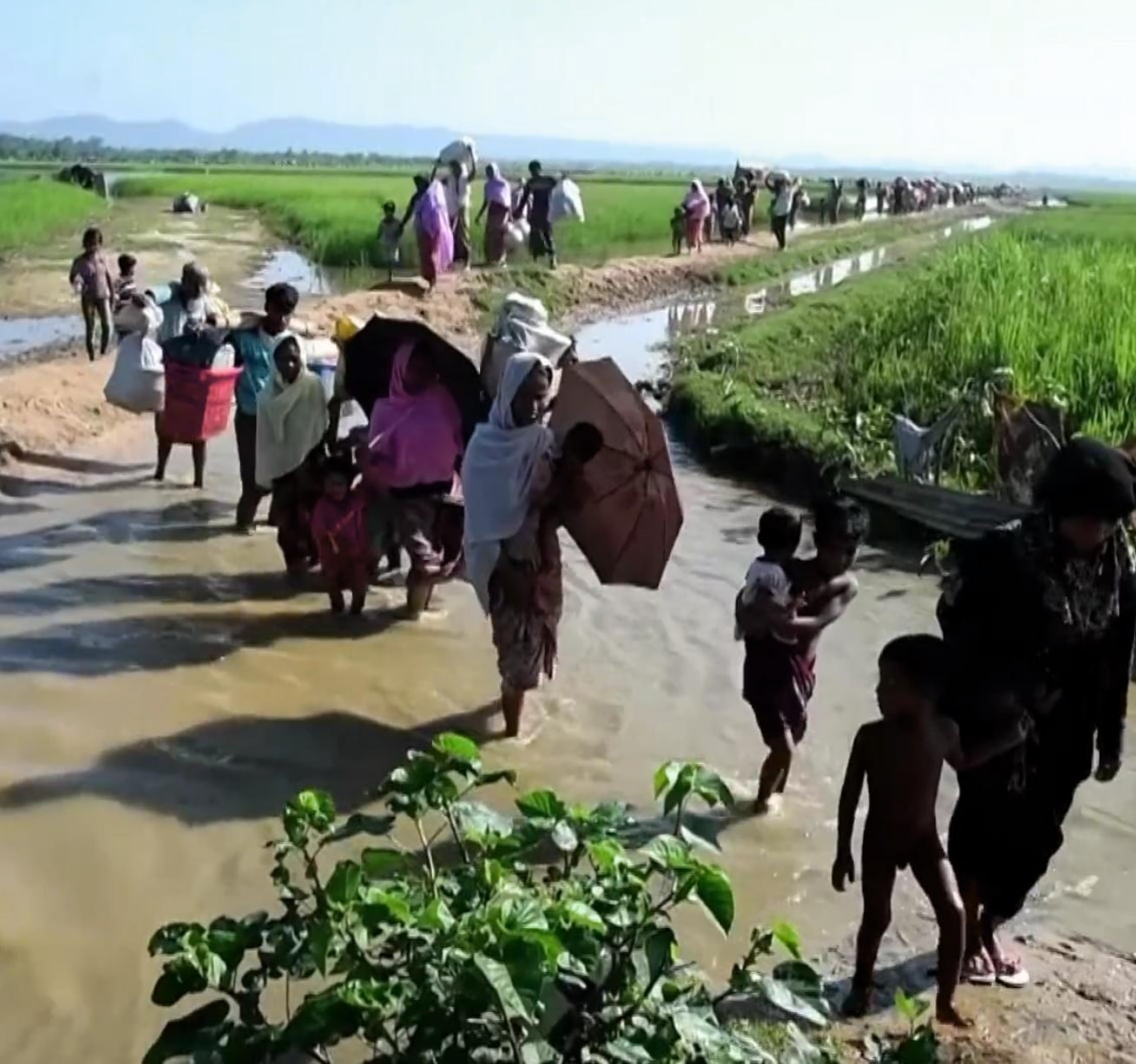
Beyond the acts themselves, the Court found that Myanmar violated its obligations under the Genocide Convention to prevent genocide, to punish genocide and the other acts enumerated in the Convention, and to enact the necessary legislation to give effect to the Convention. It also found that Myanmar engaged in extensive destruction of evidence and created obstacles to effective investigation and prosecution, including by denying access to United Nations bodies.
The case was brought by The Gambia in November 2019, a small West African state acting on behalf of the international community's shared obligations under the Genocide Convention, and Rohingya survivors testified before the Court during the merits hearings in January 2026. Their evidence stood at the centre of the proceedings, and the UN's human rights leadership paid tribute to it this week. UN Human Rights Chief Volker Turk applauded the landmark judgement as a critical moment for accountability and stressed that it is imperative for Myanmar to implement promptly the wide range of remedies ordered by the Court, so that the ruling brings meaningful change for survivors rather than remaining a paper victory.
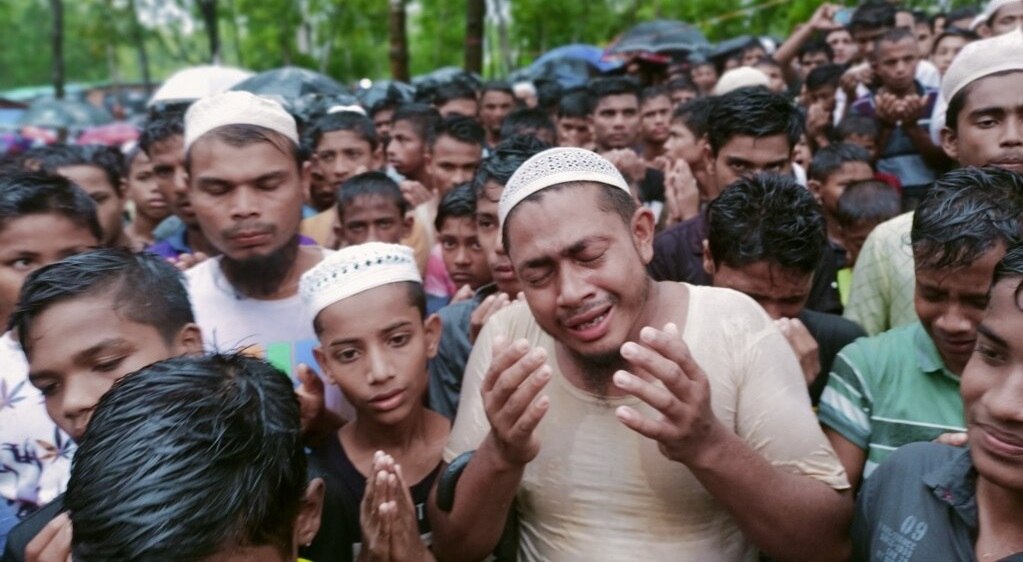
The UN Special Rapporteur on the situation of human rights in Myanmar, Kelley E. Currie, called the ruling a historic and long-awaited step towards justice. 'For decades, the Rohingya have experienced systematic state-sponsored discrimination, violence and erasure,' Currie said, adding that the crimes against them - from dispossession and denial of identity to forced displacement, torture, sexual violence and murder - did not begin in 2017 and have not ended. 'Today the world court has called the crimes by their true name: genocide. That name matters. It is a recognition of what was done, and it puts us on the path to justice.'
Guterres said the judgement would be studied carefully within the United Nations, and that international law, including the Genocide Convention, must be respected by all. He urged the international community to strengthen collective action and to support the efforts of his Special Envoy to facilitate an inclusive political solution that also addresses the root causes of the Rohingya crisis.
A judgement of the world court carries no police force of its own, and its authority will be tested by Myanmar's response and by the willingness of other states to press for compliance. But as a legal and historical record, the ruling is now fixed: the highest court of the United Nations has determined, for the first time against any state, that genocide was committed, named the victims, and set out the obligations that follow. (Source: United Nations)
Source: Juba Global News Network, reporting United Nations coverage.