Bahrain Says Iranian Strike Set Industrial Facility Ablaze as Gulf Tensions Rise
Bahraini authorities said a strike on a civilian industrial facility in Sitra caused a fire, while Iran's Revolutionary Guard Corps said its attacks targeted American air defence systems, in a weekend of competing claims.
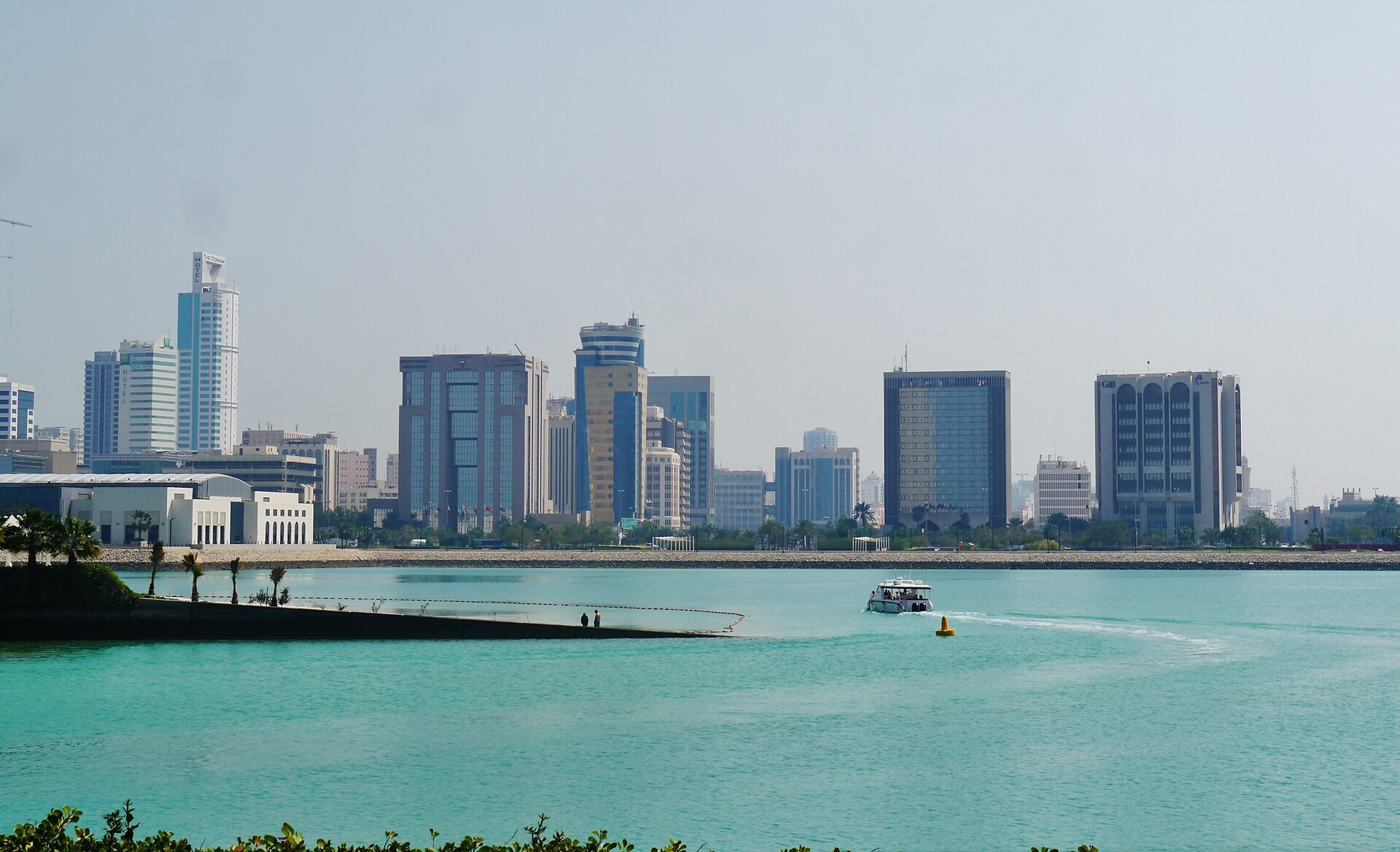
The skyline of Manama, Bahrain's capital; Bahraini authorities said an Iranian strike set an industrial facility ablaze in Sitra, south of the city. (Wikimedia Commons, CC BY-SA 4.0)
Bahraini authorities said a strike on a civilian industrial facility in Sitra caused a fire, while Iran's Revolutionary Guard Corps said its attacks targeted American air defence systems, in a weekend of competing claims.
Bahrain has accused Iran of striking a civilian industrial facility in Sitra, where the attack caused a fire, in an escalation of Gulf tensions that drew in the United States' military presence in the kingdom and brought condemnation from Egypt.
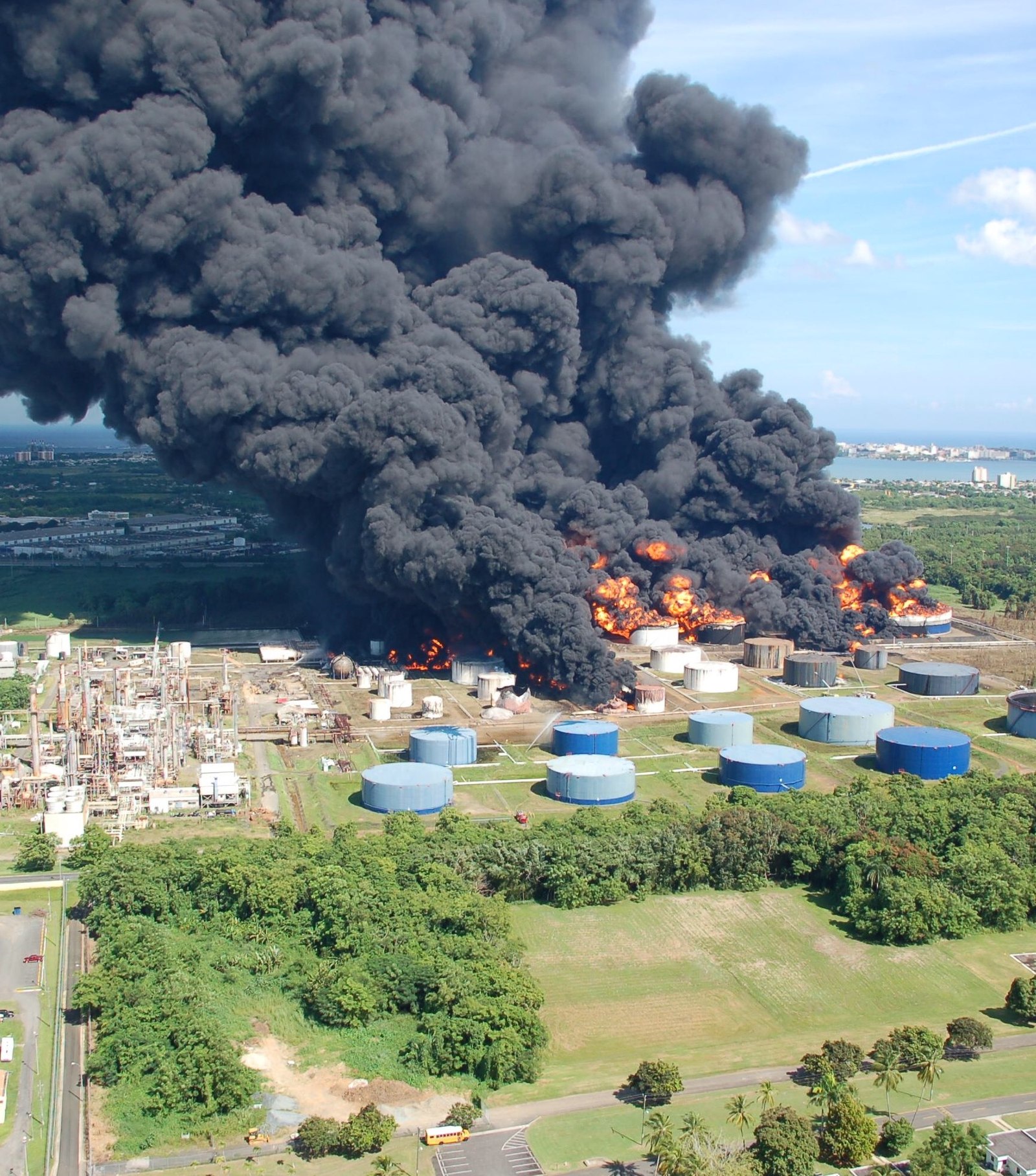
Bahraini authorities said the Iranian strike hit the civilian industrial facility in Sitra, south of the capital, Manama, and set it ablaze. Iran's Revolutionary Guard Corps offered a different account of its operations, claiming that its attacks targeted American Patriot air defence systems. The competing claims — a civilian facility struck, on Bahrain's telling; American military assets targeted, on Tehran's — could not be reconciled on the information available over the weekend, and each side presented the strikes in terms that suited its own position.
Reporting by Reuters, AFP and Al Jazeera on November 21 and 22 described a broader round of Iranian attacks: Iran struck United States bases in Bahrain with missiles and drones, and Bahrain said two people were injured. Bahrain hosts major American military facilities, which makes the kingdom a focal point whenever tensions between Washington and Tehran turn kinetic, and any strike on or near those facilities carries the risk of drawing the United States directly into a wider exchange.
The weekend's dangers were not confined to Bahrain. The United Kingdom Maritime Trade Operations, the body that monitors threats to commercial shipping, reported a separate incident involving a tanker and military forces in the Gulf of Oman. No direct connection between that incident and the strikes on Bahrain was established in the reporting, but together the events underlined how quickly a confrontation in the Gulf can spread from military bases to the sea lanes on which world energy trade depends.
Egypt added its voice to the reaction, condemning the attacks on Bahrain after the strike set the industrial facility ablaze, according to Daily News Egypt. Cairo's condemnation reflected a wider Arab concern: that a confrontation between Iran and the United States and its partners could ignite across the Gulf's small, wealthy and densely interconnected states, few of which can insulate themselves from a conflict fought in their shared waters and skies.
The Gulf has lived with this geometry of risk for years. American bases sit in Gulf states within range of Iranian missiles and drones; Iranian commanders present those bases as legitimate targets in any confrontation with Washington; and the Gulf governments hosting them insist that attacks on their territory are violations of their sovereignty, whatever the intended target. The Sitra fire, and the argument over what exactly was hit and why, is the latest illustration of that triangle.
What happens next depends on decisions in Tehran, Manama and Washington that had not been announced by Sunday. For residents of Sitra and the communities around the Gulf's bases and ports, the weekend delivered an unwelcome reminder that the distance between a regional rivalry and a local fire can be very short indeed.
For the Gulf's governments, the immediate concern is containment: keeping the exchange from widening, protecting the ports, energy installations and desalination plants on which daily life depends, and reassuring the shipping industry that the Gulf of Oman and the Strait of Hormuz beyond it remain open for business. Even a short closure or a spike in insurance costs for tankers would be felt in energy markets far beyond the region.
Source: Juba Global News Network, reporting Reuters coverage.