Standards Bureau Turns Back 1,080 Bags of Insect-Infested Rice at Nimule
Inspectors at South Sudan's busiest border crossing returned a large consignment of rice found infested with live insects, in a reminder of the food-safety checks standing between imported grain and the family table.
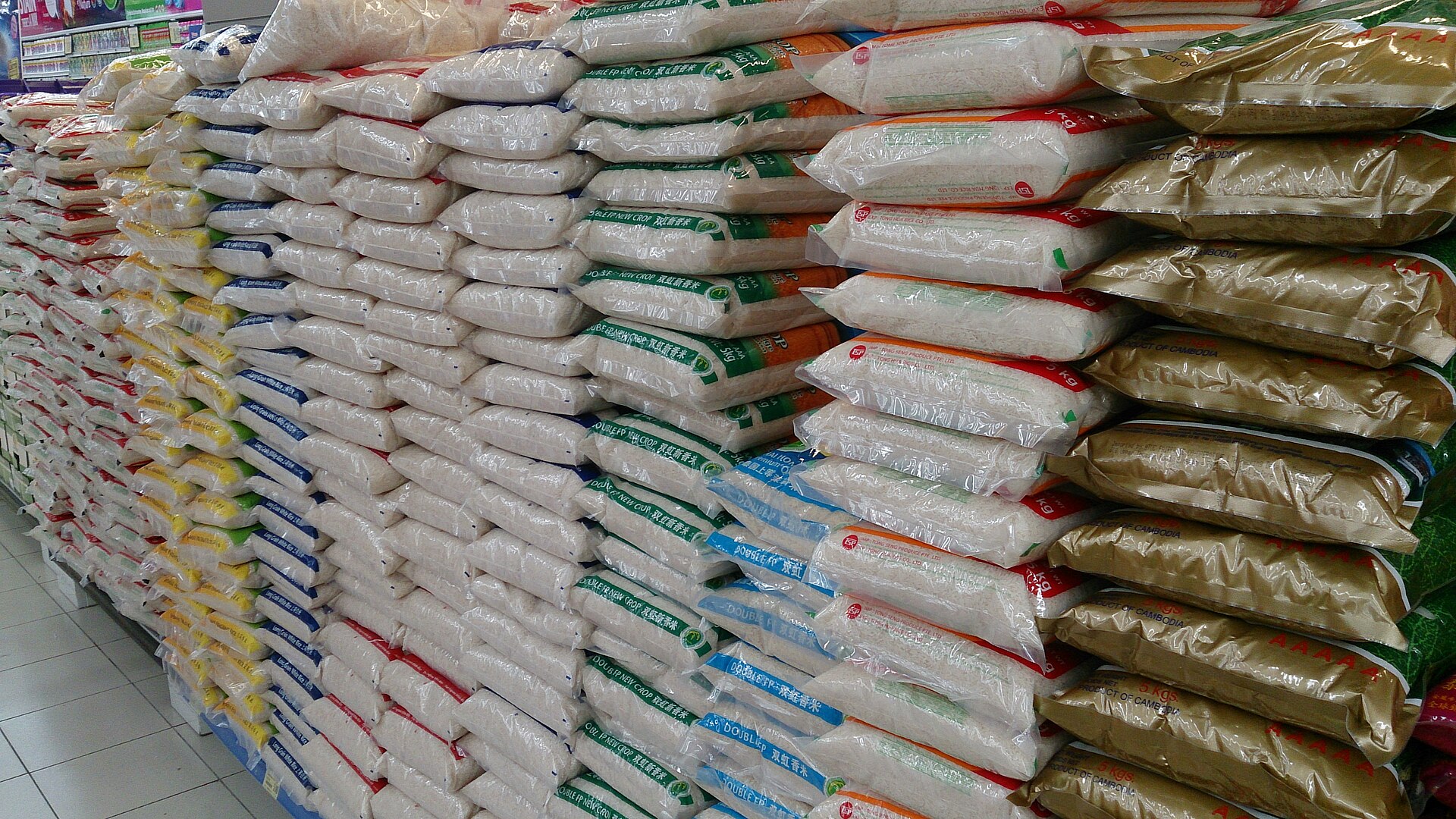
Sacks of rice stacked for storage and trade, in a file photograph of the staple grain at the centre of the Nimule inspection. (Wikimedia Commons, CC BY-SA 3.0)
Inspectors at South Sudan's busiest border crossing returned a large consignment of rice found infested with live insects, in a reminder of the food-safety checks standing between imported grain and the family table.
NIMULE — The South Sudan National Bureau of Standards has returned 1,080 bags of rice found infested with live insects at the Nimule border crossing with Uganda, Eye Radio reported, stopping the consignment before it could enter the country's food supply. The decision meant the rice was sent back rather than cleared for sale in South Sudanese markets.
Nimule is South Sudan's principal trade gateway. The road from the border to Juba carries a large share of the food and goods consumed in the capital and beyond, and for a landlocked country that imports much of its staple food, what passes through Nimule matters to prices and supplies across the nation. Every consignment of grain that crosses is, in effect, bound for market stalls, shops and family kitchens far from the border itself.
That is why inspection at the border matters. Standards officials check imported food for quality and safety before it is released, and consignments that fail — because they are spoiled, contaminated, expired or, as in this case, infested — can be refused entry. A consignment of more than a thousand bags is a substantial shipment, and turning it back sends a signal to traders and suppliers about the standard their goods will be held to.
Live insects in stored rice are more than an unpleasant discovery. Infestation damages grain in storage, spreads from bag to bag in warehouses and shops, and reduces both the quantity and the quality of food that reaches consumers. Grain that has been heavily infested can be unfit to eat, and even where it is not dangerous, families paying high prices for a staple food are entitled to rice that is clean and sound.
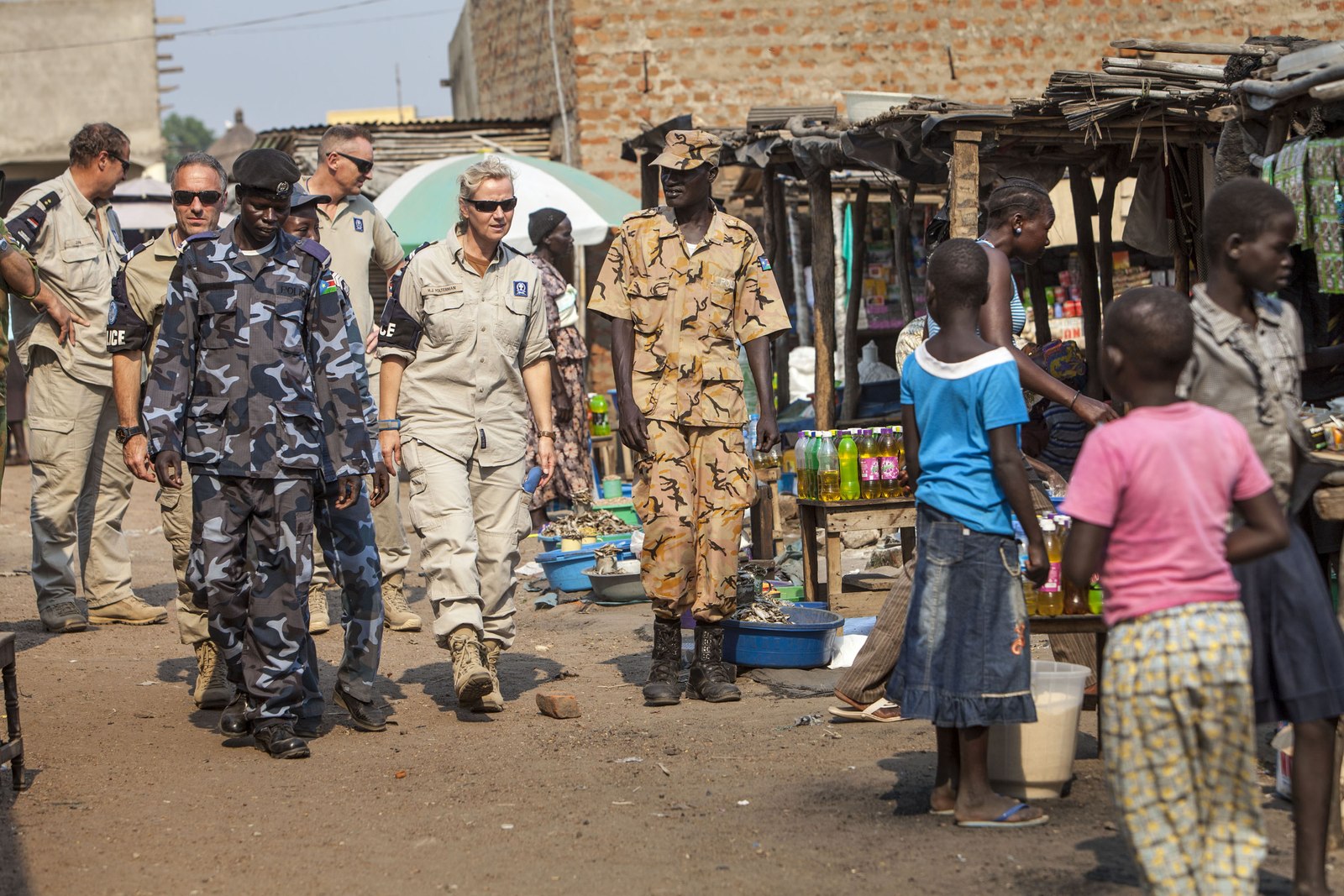
Rice is a daily staple for many households in Juba and other towns, bought in small quantities by families who can least afford waste. Food-safety failures therefore fall hardest on the poor: a household that spends a large share of its income on grain has no cushion when part of that grain must be thrown away. Effective inspection protects those households, and it also protects honest traders, whose clean stock should not have to compete with infested imports sold cheaply.
Border inspection is only one layer of food safety, and traders and consumers share the rest. Wholesalers who store grain in dry, ventilated warehouses, off the ground and away from pests, protect their own stock as much as the public. Retailers who rotate stock and store open bags carefully reduce the chance that a problem in one consignment spreads. And shoppers, in South Sudan as everywhere, are advised to check grain before cooking, to store it sealed and dry at home, and to report visibly infested food rather than quietly discarding or, worse, eating it.
The return of the consignment also carries a cost, and a lesson, for importers. Goods refused at the border must be transported back or otherwise dealt with at the trader's expense, and repeated failures damage a supplier's standing. Traders who store grain properly, fumigate where required and move stock quickly have nothing to fear from inspection. For consumers, the Nimule return is a rare visible sign of an invisible system — the checks that, when they work, keep bad food off the table before anyone has to eat it. (Source: Eye Radio)
Source: Juba Global News Network, reporting Eye Radio coverage.