Three Confirmed Dead and Dozens Missing After Indonesian Candy Factory Fire
Rescuers searched the ruins of the Fonusa Agung Mulia confectionery factory in Cikande, Banten, on Sunday, with the toll beyond three confirmed deaths still unconfirmed as the search continued.
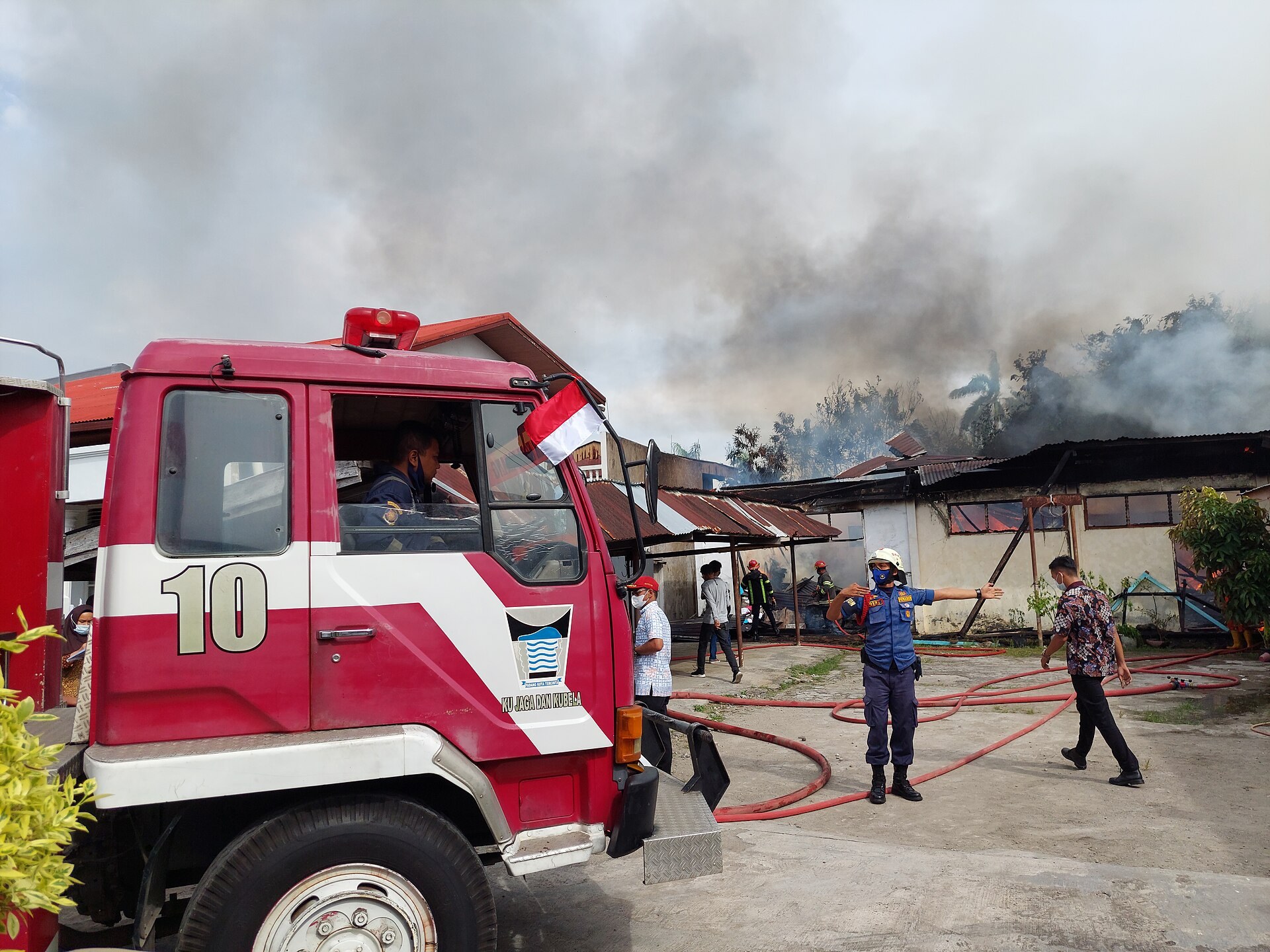
Rescuers searched the ruins of the Fonusa Agung Mulia confectionery factory in Cikande, Banten, on Sunday, with the toll beyond three confirmed deaths still unconfirmed as the search continued.
A fire at a confectionery factory in Indonesia has killed at least three workers, with dozens of people missing as rescuers searched the ruins on Sunday, November 22, in one of the country's most serious industrial accidents of the year.
The blaze tore through the Fonusa Agung Mulia candy factory in Cikande, in Banten province, west of the capital, Jakarta. By Sunday, rescue teams were working through the damaged plant looking for workers who had not been accounted for after the fire, in an operation that continued as families waited for news of relatives who had been inside the factory.
Thirty-six people were reported missing as the search went on, according to reporting by the Associated Press and Reuters. The Associated Press also reported that rescue teams searching for thirty-four missing workers had recovered remains in twenty-four body bags. Juba Global News Network presents those figures carefully: the numbers of missing given in the reporting varied, the recovery of remains does not by itself confirm identities or a final death toll, and the confirmed toll on Sunday stood at three dead, with the search and identification work still under way.
That distinction matters for the families gathered around the site and the hospitals. In factory disasters, the count of the missing, the count of remains recovered and the count of identified dead are three different numbers, and they converge only after painstaking forensic work. Officials faced the task of matching the recovered remains to the missing workers before any family could be given certainty, a process that can take days.
Industrial fires are a recurring danger in Southeast Asia's manufacturing belts, where factories producing food, garments and consumer goods employ large workforces, sometimes in buildings where safety systems, exits and enforcement struggle to keep pace with production. Cikande is an industrial area in Banten that hosts many such plants, and a fire in a confectionery factory — a workplace full of packaging, sugar and machinery — presented rescuers with a difficult and hazardous scene.
The cause of the fire had not been established in the reporting available on Sunday. Investigations into such blazes typically examine electrical systems, production equipment and the storage of flammable materials, as well as whether alarms and evacuation routes worked as they should. Those questions will be central to the official inquiry that follows, and to the demands for accountability that usually come from workers' families and labour groups after a mass-casualty factory fire.
For now, the story in Cikande remains one of searching and waiting. Rescuers continued to comb the ruins for the missing, hospitals and officials worked on identification, and the confirmed death toll — three workers — stood as the only firm figure in a disaster whose full human cost has yet to be established.
Indonesia's factories operate within a regulatory system that assigns safety responsibilities to both employers and local authorities, and major accidents routinely prompt reviews of whether inspections and standards were enforced at the plant in question. The scale of the Cikande fire — a workforce large enough that dozens of people could be unaccounted for a day later — will focus attention on the factory's own records: who was on shift, where they were working, and how the evacuation was conducted.
The disaster also revives a wider conversation in Indonesia about the speed of industrial growth in provinces such as Banten, where industrial estates have expanded rapidly and drawn workers from across Java and beyond. With that growth has come recurring debate about whether safety oversight, fire services and hospital capacity in industrial districts have expanded at the same pace as the factories themselves.
Source: Juba Global News Network, reporting Associated Press / Reuters coverage.