Russian Strikes Kill Five Near Kyiv and in Zelenskyy's Hometown
An apartment building in Dymer, near the Ukrainian capital, was struck with three people killed and others buried, while a ballistic missile attack on Kryvyi Rih killed two and wounded about sixty.
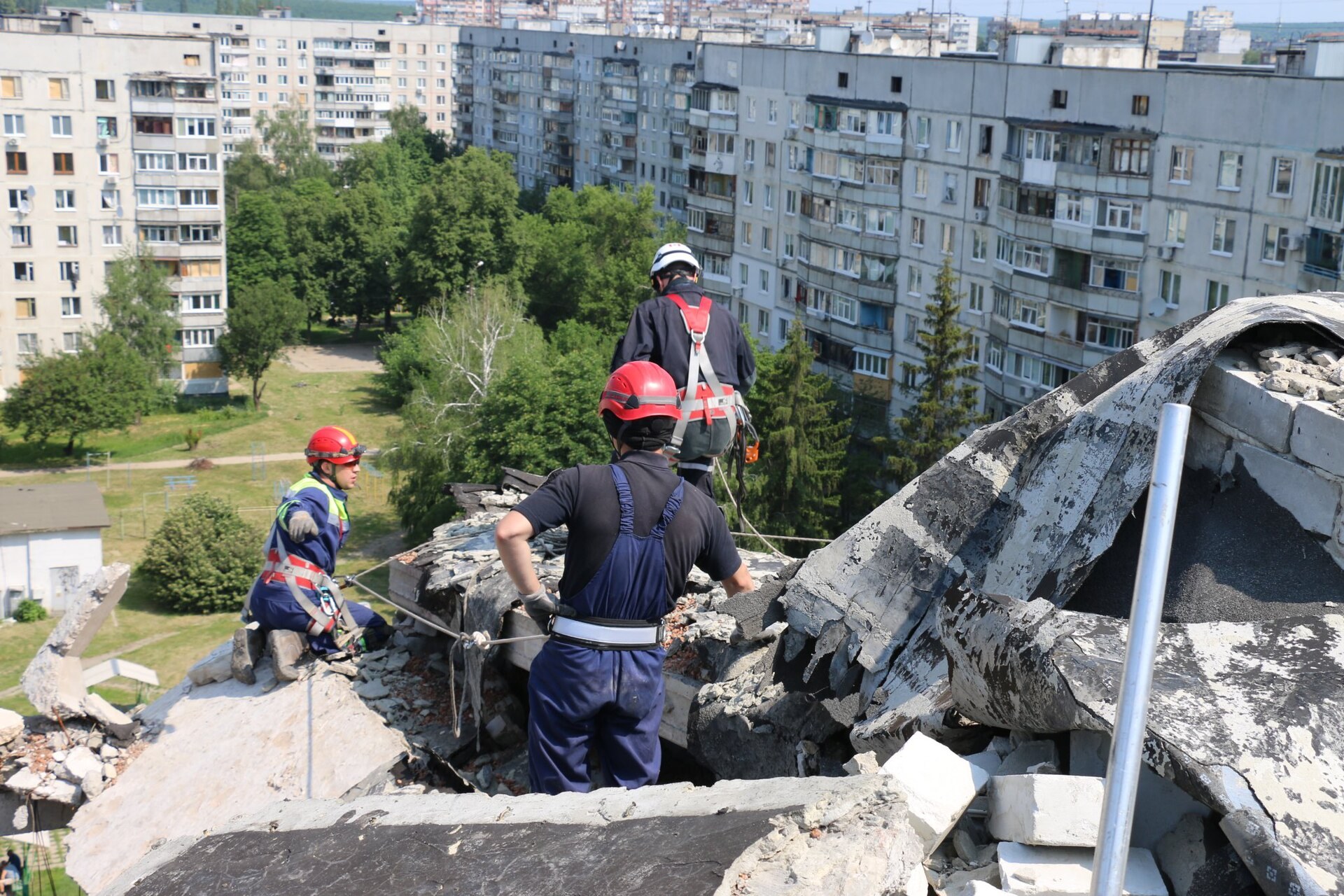
Rescue and recovery workers clearing rubble at a destroyed building in Ukraine, the kind of search under way in Dymer after Sunday's strike. (Wikimedia Commons, CC BY 4.0)
An apartment building in Dymer, near the Ukrainian capital, was struck with three people killed and others buried, while a ballistic missile attack on Kryvyi Rih killed two and wounded about sixty.
Russian attacks on Ukraine killed at least five people in two separate strikes reported on Sunday, November 22, hitting an apartment building near the capital, Kyiv, and the central city of Kryvyi Rih, the hometown of President Volodymyr Zelenskyy.
Near the capital, a Russian attack struck an apartment building in Dymer, a town in the Kyiv region. Three people were killed in that strike, the Associated Press reported, and others were buried in the wreckage, leaving rescuers to search the remains of the building for survivors and for further victims. Apartment blocks have been among the deadliest places in this war when struck, because missiles and drones arrive without warning among families in their homes.
In Kryvyi Rih, a ballistic missile attack killed two people and wounded scores more. About sixty wounded were reported, among them a seven-year-old boy and a twenty-year-old woman, according to reporting by AP and CNN. Ballistic missiles travel at extreme speed and give residents only minutes, sometimes seconds, of warning, which is one reason their use against cities produces such heavy casualty lists.
Kryvyi Rih, an industrial city in central Ukraine, holds a particular place in the war's geography: it is the hometown of President Zelenskyy. Strikes on the city have occurred repeatedly during the conflict, and each one carries a symbolic weight beyond its military value, landing in the streets where the Ukrainian president grew up and where his wartime leadership is most personally felt.
Sunday's attacks fitted a grim and familiar pattern. As in previous rounds of strikes, the targets reported were civilian in character — homes in Dymer, a city centre in Kryvyi Rih — and the work that followed belonged to firefighters, paramedics and rescue teams picking through rubble. For residents of the Kyiv region, the strike on Dymer was a reminder that proximity to the capital, with its comparatively strong air defences, offers no guarantee of safety.
The casualty figures in both places were those reported on Sunday and may be revised as rescue work continues and hospitals account for the wounded. In Dymer in particular, the presence of people buried under the apartment building meant the toll there could not be considered final while the search continued.
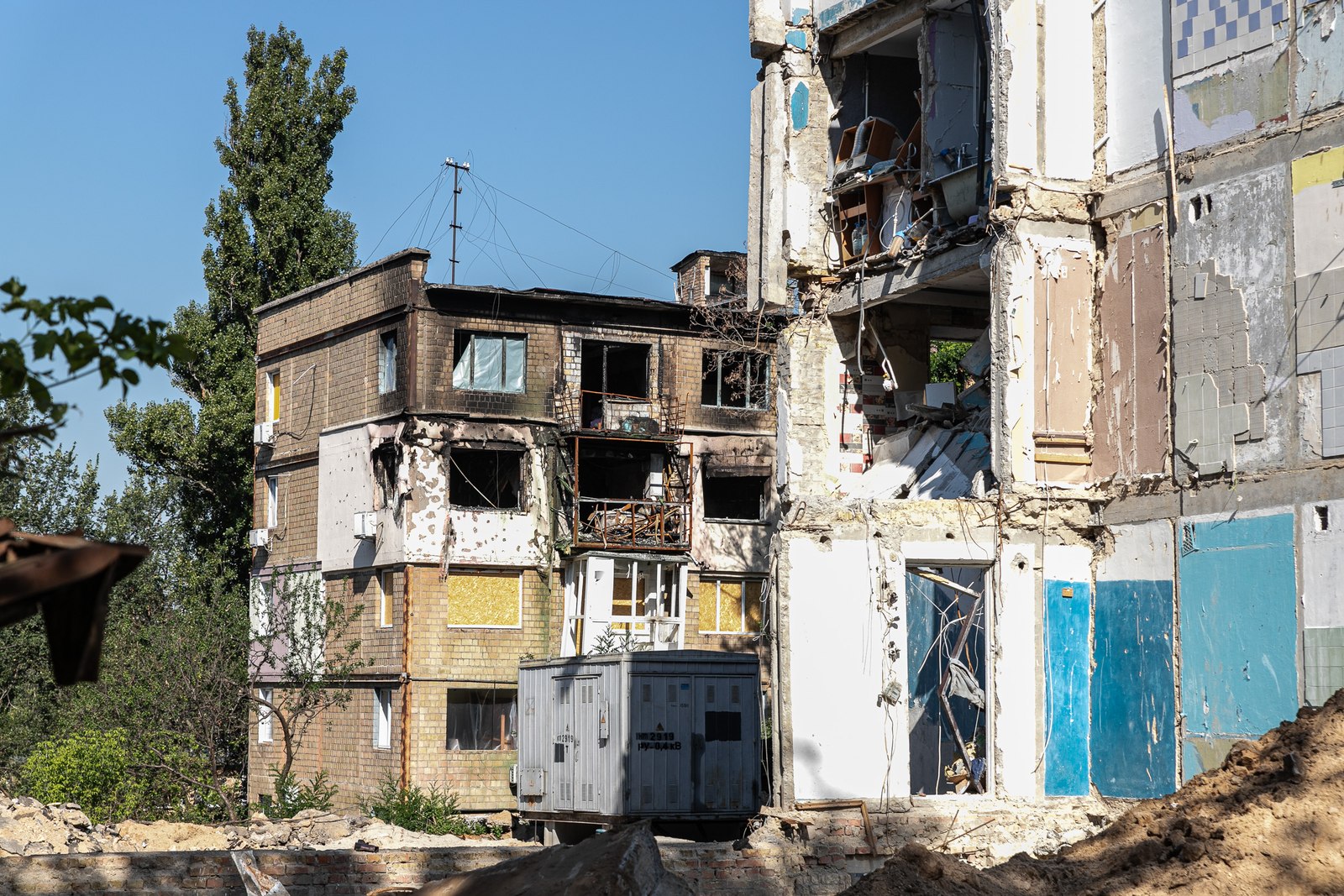
Ukraine's war has settled into a rhythm in which long-range strikes on cities form a near-constant backdrop to the fighting at the front. Each new attack renews the same arguments about air defence, about the protection of civilians and about the toll exacted on towns far from the battlefield — arguments that Sunday's dead, in Dymer and Kryvyi Rih, have now joined.
Neither strike produced, in Sunday's reporting, any suggestion of a military target at the centre of the casualty lists. That has been the recurring dispute of this war's air campaign: Ukraine and its supporters describe a pattern of attacks on civilian areas, while the human evidence on the ground — homes destroyed, children among the wounded — is what rescue services and hospitals are left to document. International law prohibits attacks directed at civilians, and each such strike adds to the record that investigators continue to compile.
As winter approaches, Ukrainians brace for the season in which strikes on cities have historically intensified alongside pressure on the country's energy system. Sunday's attacks did not, on the reporting available, centre on energy infrastructure, but they landed in a country where every alert sends families to shelters and where the difference between a damaged building and a destroyed one is often the difference between a frightening night and a fatal one. In Dymer and Kryvyi Rih, for five families, it was fatal.
Source: Juba Global News Network, reporting Associated Press coverage.