South Sudanese Student Ahmed Osman Farsino Scores 98.9% in Sudan's Examinations
A score of 98.9% in Sudan's examinations has made Ahmed Osman Farsino a name to celebrate — and a reminder of what South Sudanese students keep achieving far from home.
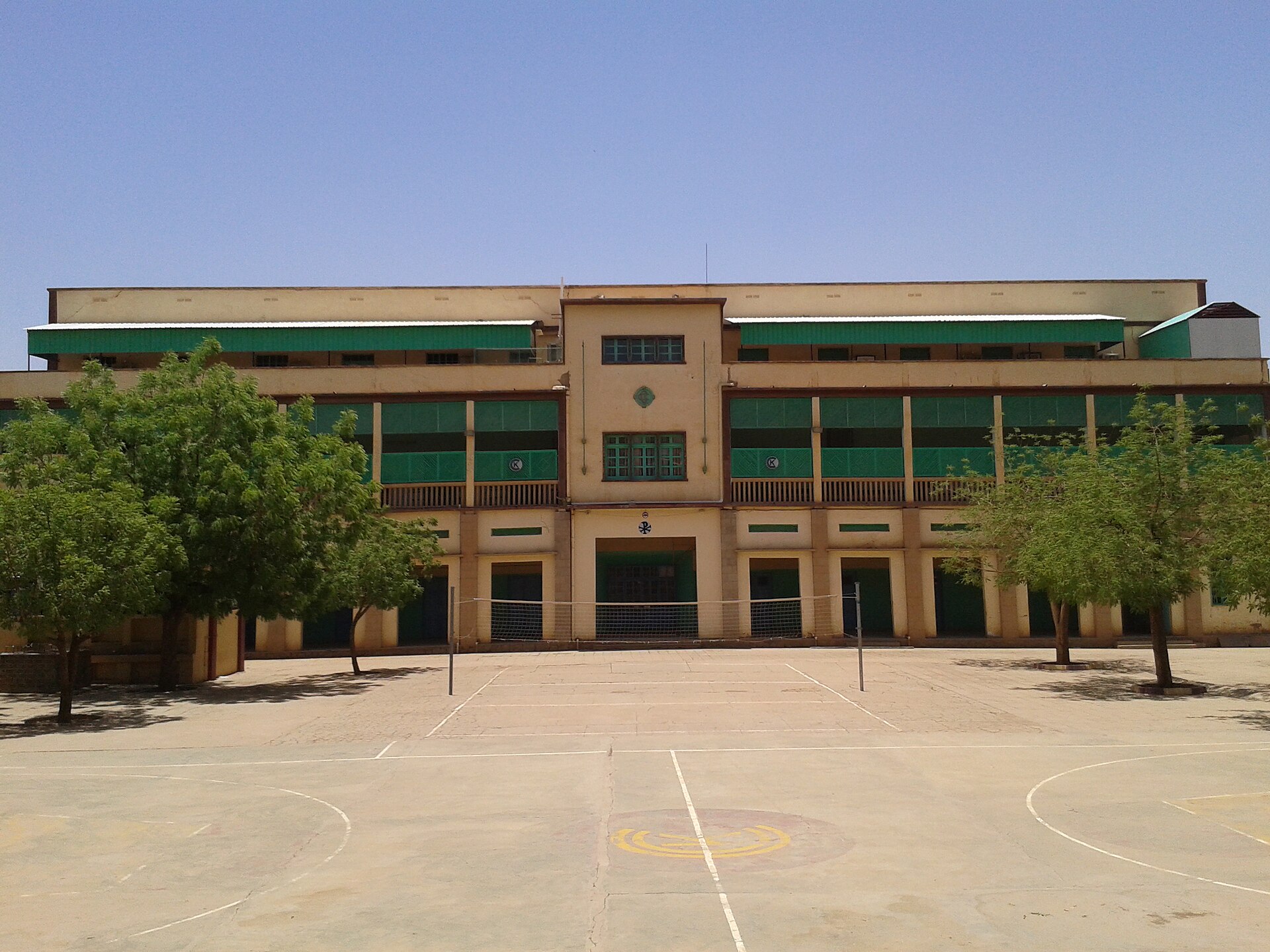
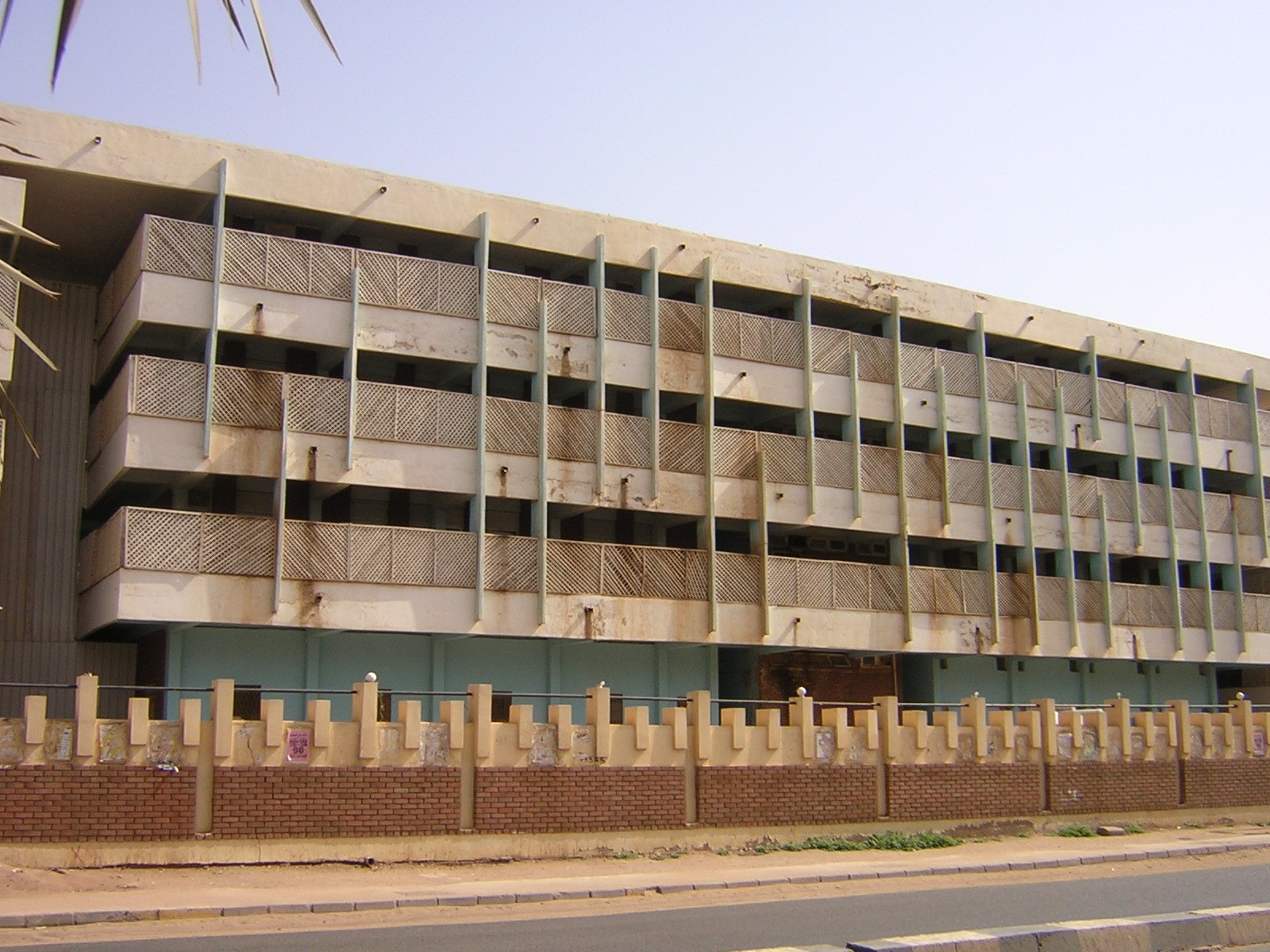
Comboni College secondary school in Khartoum, Sudan, in a file photograph of the Sudanese schools where many South Sudanese pupils have studied. (Wikimedia Commons, CC BY-SA 4.0)
A score of 98.9% in Sudan's examinations has made Ahmed Osman Farsino a name to celebrate — and a reminder of what South Sudanese students keep achieving far from home.
JUBA — A South Sudanese student, Ahmed Osman Farsino, has scored 98.9% in Sudan's examinations, Eye Radio reported on 22 November — a result at the very top of the scale and a rare piece of unambiguously good news in a hard year for students across the region. A mark of 98.9% places a candidate among the highest achievers in an examination sat by very large numbers of pupils.
Examination results of this kind are the product of years of accumulated work: early mornings, crowded classrooms, teachers who persist through difficult conditions, and families who prioritise school fees and study time when both money and time are scarce. Behind a percentage reported in a single line sits a long, ordinary discipline that rarely makes headlines until the day the results are published.
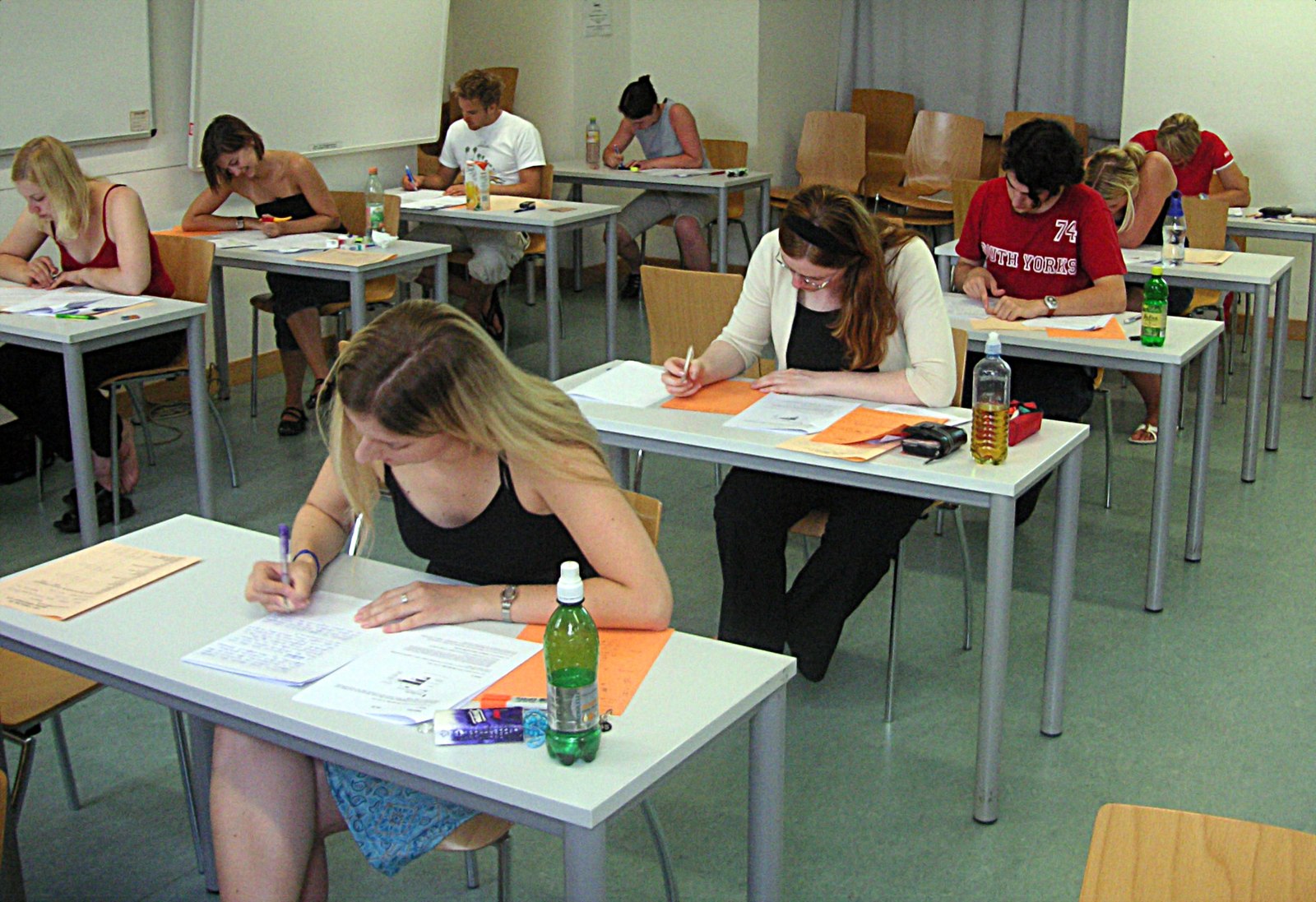
Farsino's achievement also speaks to a wider story. Large numbers of South Sudanese students study in Sudan, a pattern built over generations of shared history between the two countries and sustained, in recent years, under the shadow of war and displacement. Families have crossed the border in both directions in search of safety and schooling, and many young South Sudanese have kept their education going in Sudanese classrooms even when conflict disrupted almost everything else around them.
Studying through displacement is not easy. Students far from home often juggle unfamiliar surroundings, financial pressure, worry about relatives left behind, and the administrative hurdles that come with being a foreign pupil. Those who reach the examination hall at all have already overcome obstacles that end many school careers; those who finish near the top of the results have done something exceptional by any country's standard.
Results like this matter beyond one family. For younger pupils in both countries, a name and a score at the top of the list is proof that the effort can be rewarded. For South Sudan, every high-achieving student is part of the skilled generation the country needs — in medicine, engineering, teaching, law and public service — whether their path home is immediate or takes years of further study first.
Examinations are the gateway through which everything else in a student's life must pass: university admission, scholarships, and the professions all begin with results issued on a single day. That concentration of consequence is why top scores are celebrated so publicly in both Sudan and South Sudan, where families treat a child's result as a household achievement and schools point to their highest performers as proof of what their teaching can do. A score within a point of perfection becomes, in that culture, a story retold for years.
Eye Radio's report did not publish further details of Farsino's school or family, and none are invented here. What is on the record is enough: a South Sudanese student, Sudan's examinations, and a score of 98.9%. In a news cycle dominated by attacks, tolls and warnings, it is worth pausing on a result that represents the opposite of loss — a young person's work, recognised in full. Juba Global News Network joins readers in congratulating Ahmed Osman Farsino. (Source: Eye Radio)
Source: Juba Global News Network, reporting Eye Radio coverage.