Tonj East Cattle Camp Attack Toll Rises as Warrap Counts Its Dead
At least 21 people were reported killed in a night attack on the Bol Bol cattle camp in Lwanjong, with later official accounts putting the civilian toll higher, as officials blamed suspected SPLA-IO-affiliated gunmen — an allegation the...
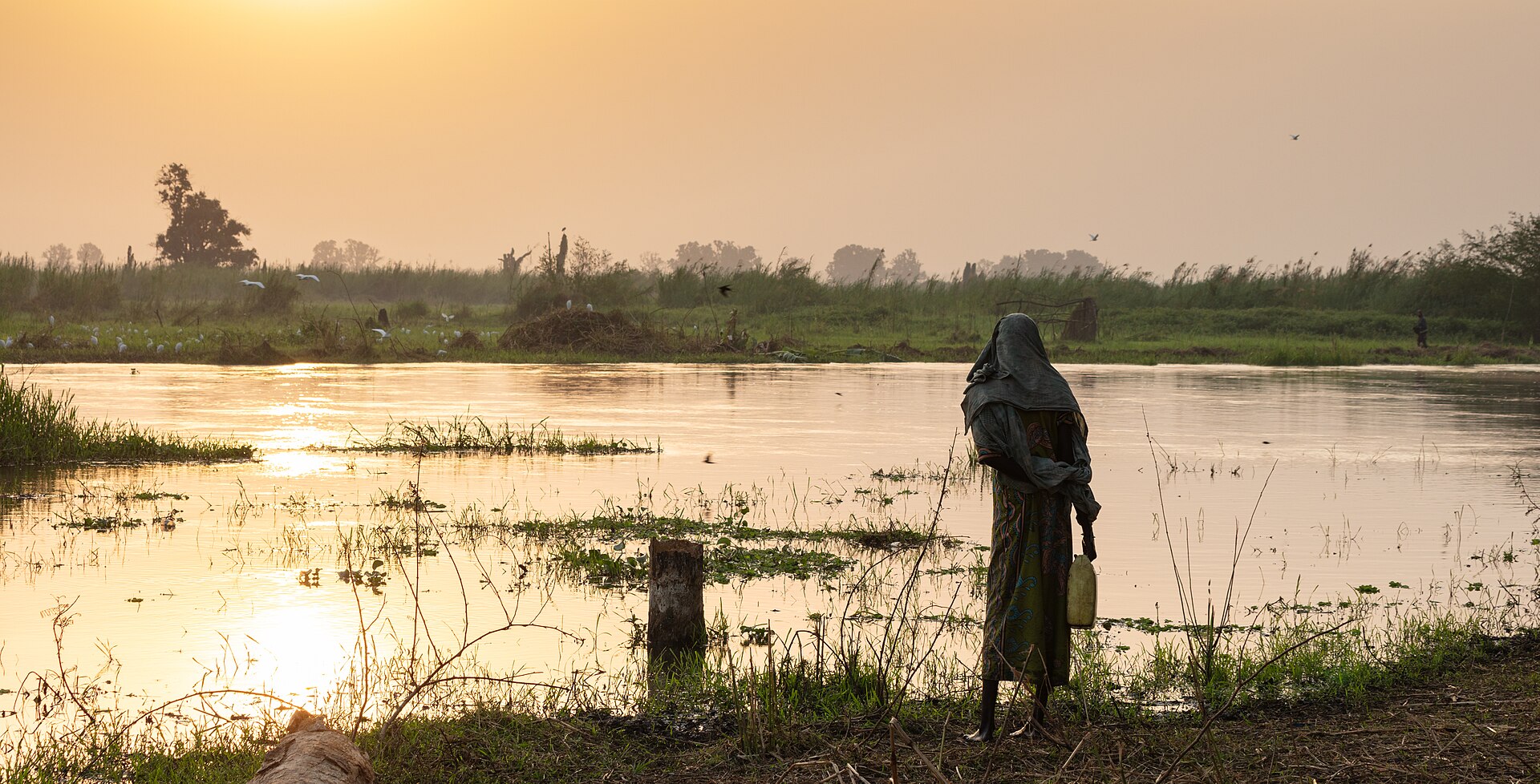
At least 21 people were reported killed in a night attack on the Bol Bol cattle camp in Lwanjong, with later official accounts putting the civilian toll higher, as officials blamed suspected SPLA-IO-affiliated gunmen — an allegation the opposition has yet to answer in the reporting.
KUAJOK — The death toll from a night attack on a cattle camp in Tonj East County, Warrap State, has risen in successive official accounts, in one of the deadliest reported incidents in the state this year. The attack on the Bol Bol cattle camp at Lwanjong began at about 10 p.m. on Saturday, 21 November, according to officials, and left women, children and elderly people among the dead.
Eye Radio reported the Warrap State Minister of Information, William Wol Mayom, as saying that at least 21 people, including women and children, were killed in the attack. In a separate account carried by AFP, the caretaker commissioner for the area, Machuei Bith, said the toll had risen to 24 civilians, including seven children. The figures reported by the different officials do not fully align, and they are presented here as they were given by each source.
The AFP account added further detail, reporting that 15 civilians and cattle keepers were killed and that four attackers, described as wearing SPLA-IO uniforms, were also killed. A statement from the Warrap State Ministry of Information, issued from Kuajok, put the toll at 21 people killed and 18 wounded, and said that 15 of those killed were women, children and elderly people. The wounded were reported to be receiving attention as local authorities assessed the scene.
Officials blamed the attack on suspected SPLA-IO-affiliated militia and on armed men from the neighbouring Mayen and Mayandit area of Unity State. Those accusations are allegations by state and county officials reported by Eye Radio and AFP; no response from the SPLA-IO was included in the reporting available at the time of publication, and Juba Global News Network has not independently verified who carried out the attack.
Cattle camps are the economic and social heart of pastoralist life across Warrap and much of South Sudan. Herds represent savings, bride wealth, food security and status, and camps draw together young herders far from towns and police posts, often at night and in places where help is hours away. That concentration of people and wealth has repeatedly made camps a target in cycles of raiding and revenge, and a single night attack can strip families of their livelihood as well as their loved ones.
Warrap has endured repeated cycles of raiding, revenge and communal violence in recent years, in which cattle, grazing land and water all feature, and in which firearms have made confrontations far deadlier than in the past. Peace conferences between communities have repeatedly promised disarmament, compensation and the return of raided herds, yet agreements reached in county headquarters have often proved difficult to enforce in remote cattle country, where the state's presence is thin and where news of an attack can travel faster than any official response.
The killings also land in a fragile national moment. Opposition leader Riek Machar has been under house arrest since March 2025 and is on trial in Juba, a process that has sharpened political tensions far beyond the capital. National elections, long delayed, have been postponed again to February 2027. For the families of Bol Bol, however, the immediate questions are more basic: protection for the camps that remain, care for the wounded, and whether those responsible for Saturday night's killings will ever be identified and held to account. (Source: Eye Radio / AFP)
Source: Juba Global News Network, reporting Eye Radio / AFP coverage.