COP31 Climate Talks End in Antalya Without an Overarching Agreement
Nearly 200 countries left the Turkish resort city on Sunday after almost two extra days of negotiation failed to produce consensus, in an outcome the UN Secretary-General described as deeply disappointing.
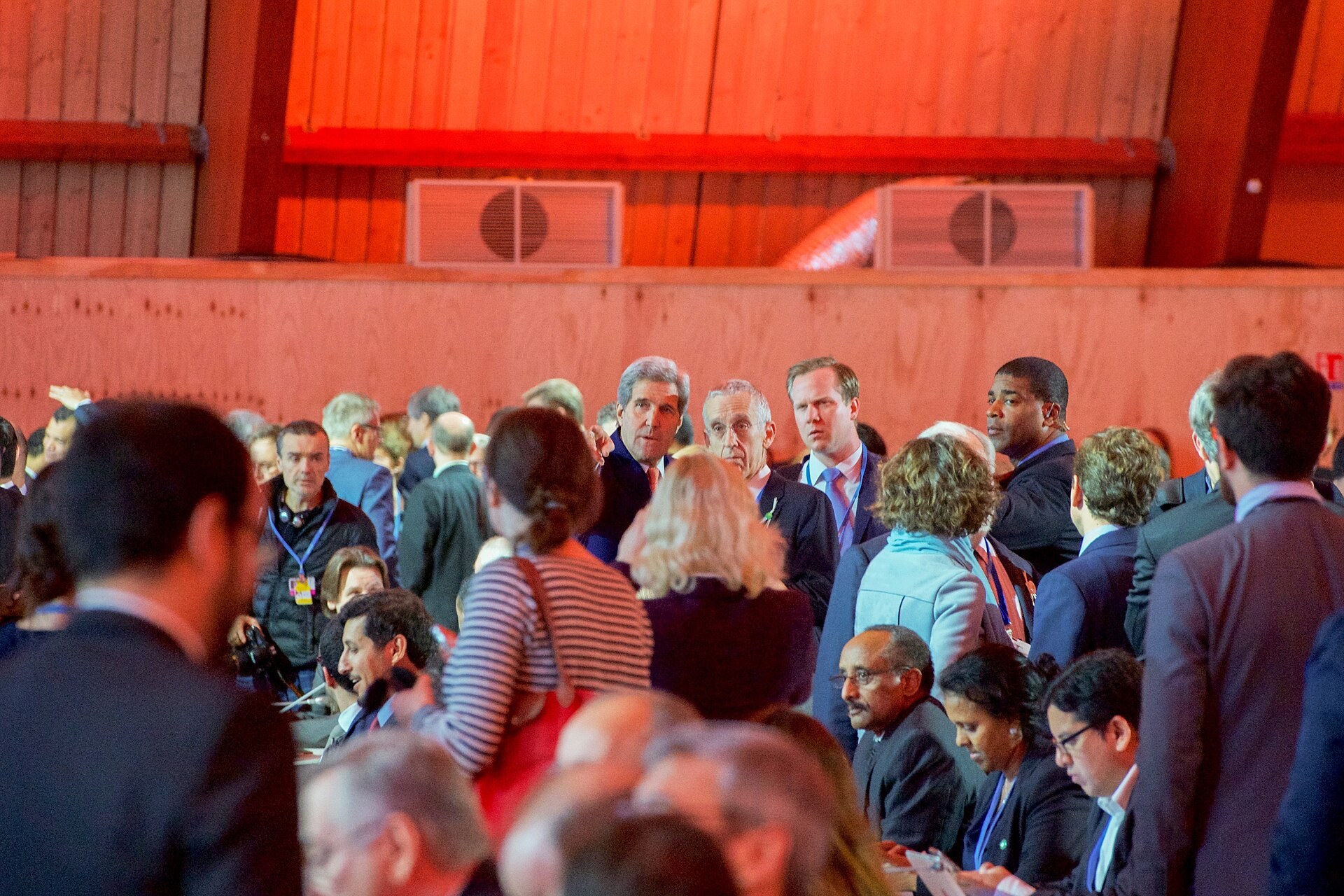
Nearly 200 countries left the Turkish resort city on Sunday after almost two extra days of negotiation failed to produce consensus, in an outcome the UN Secretary-General described as deeply disappointing.
The COP31 United Nations climate conference in Antalya, Turkey, ended on Sunday, November 22, without an overarching agreement, after nearly 200 countries failed to reach the consensus the UN process requires. The talks ran for roughly two days beyond their scheduled close as negotiators tried, and ultimately failed, to bridge differences that had divided the conference hall throughout the summit.
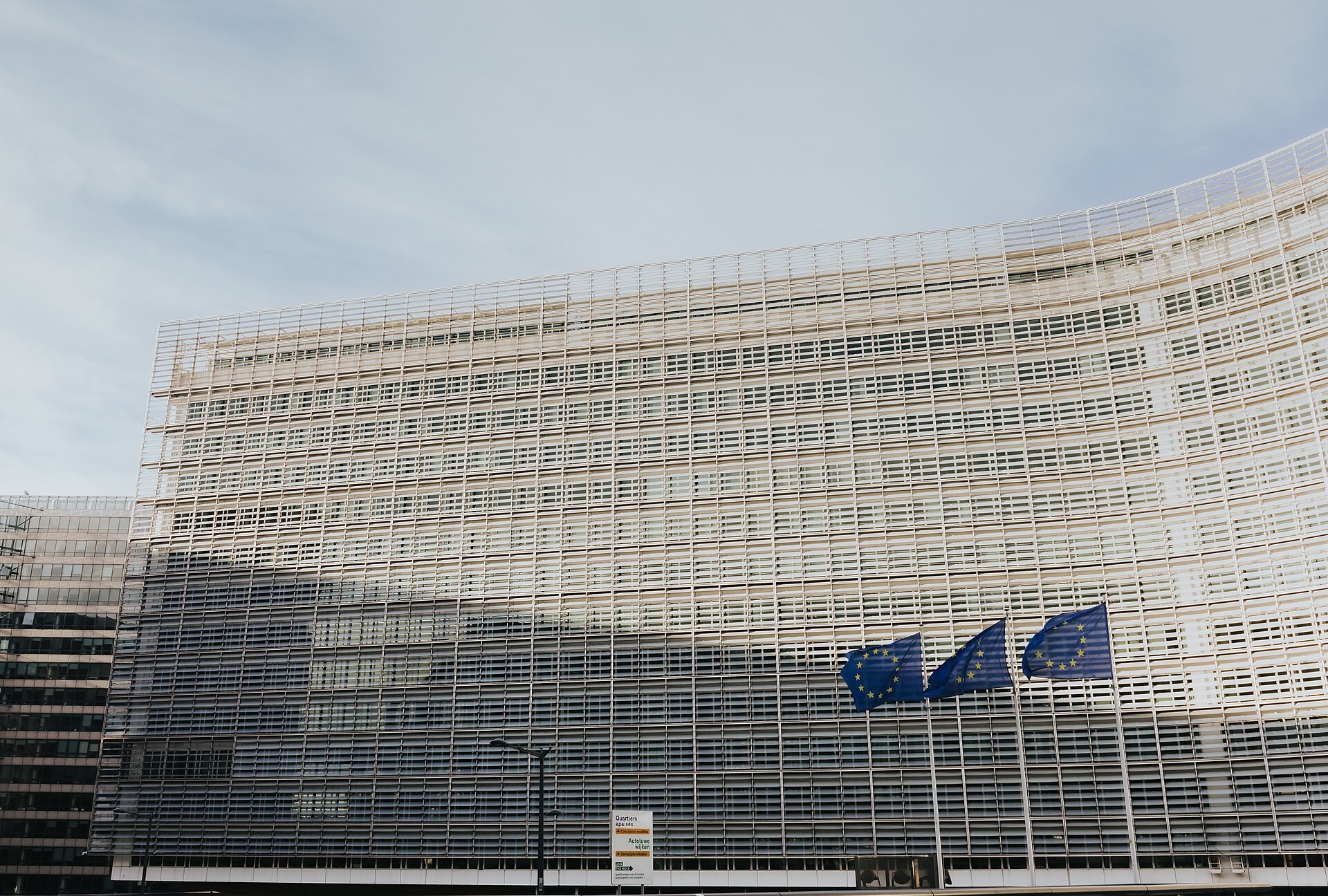
The immediate cause of the collapse was a proposed concluding text that did not explicitly address fossil fuels. The European Union, the United Kingdom and several climate-vulnerable countries rejected that draft, judging that a final agreement which avoided direct language on fossil fuels fell short of what the moment required. Their refusal meant the text could not be adopted, because decisions at UN climate conferences are taken by consensus among the parties.
Fossil fuels sit at the centre of the climate question, since burning coal, oil and gas is the principal driver of the greenhouse gas emissions that are warming the planet. For climate-vulnerable countries, many of them low-lying or exposed to worsening droughts, floods and storms, explicit commitments on moving away from fossil fuels are not a matter of wording but of survival, and delegations from those countries have repeatedly argued that vague language offers them little protection.
Money was the second great fault line in Antalya. Disagreements over climate finance — the funding that wealthier countries provide to help poorer nations cut emissions and adapt to a changing climate — ran through the negotiations and remained unresolved at the end. Finance has divided climate talks for years: developing countries say the sums on offer fall far short of their needs, while donor countries argue over how the burden should be shared and what should count toward the total.
UN Secretary-General António Guterres described the outcome as deeply disappointing. His verdict captured the mood of a conference that had been expected to deliver a collective statement of direction and instead closed with its central questions unanswered. For the UN chief, who has made climate action a defining theme of his tenure, the failure of nearly 200 governments to agree even on an overarching text represented a significant setback.
The conference was not entirely without result. Some narrower decisions were adopted during the summit, allowing parts of the UN climate machinery to continue their work even in the absence of a headline agreement. Such technical and procedural decisions rarely attract public attention, but they keep programmes, reporting systems and negotiating tracks alive between summits, and diplomats pointed to them as evidence that the process itself survives, even when its politics falter.
The collapse in Antalya will now shift attention to what happens next. Issues left unresolved at one COP do not disappear; they return, usually in sharper form, at the next. The questions of how explicitly the world commits itself on fossil fuels, and how the costs of the energy transition and of climate damage are shared, will dominate preparations for the next round of talks, with vulnerable countries promising to press their case again.
For now, delegates have left Turkey with a sobering lesson in the limits of consensus diplomacy. A process that gives every country a voice also gives every bloc the power to say no, and in Antalya the distance between those wanting stronger language and action, and those resisting it, proved too wide to close — even with two extra days at the table.
Source: Juba Global News Network, reporting Reuters / Associated Press coverage.