Universities Face Mounting Pressure Next Year as Admission Demand Rises
Eye Radio reports that South Sudan's universities face growing pressure next year as more school leavers seek places than the system was built to hold.
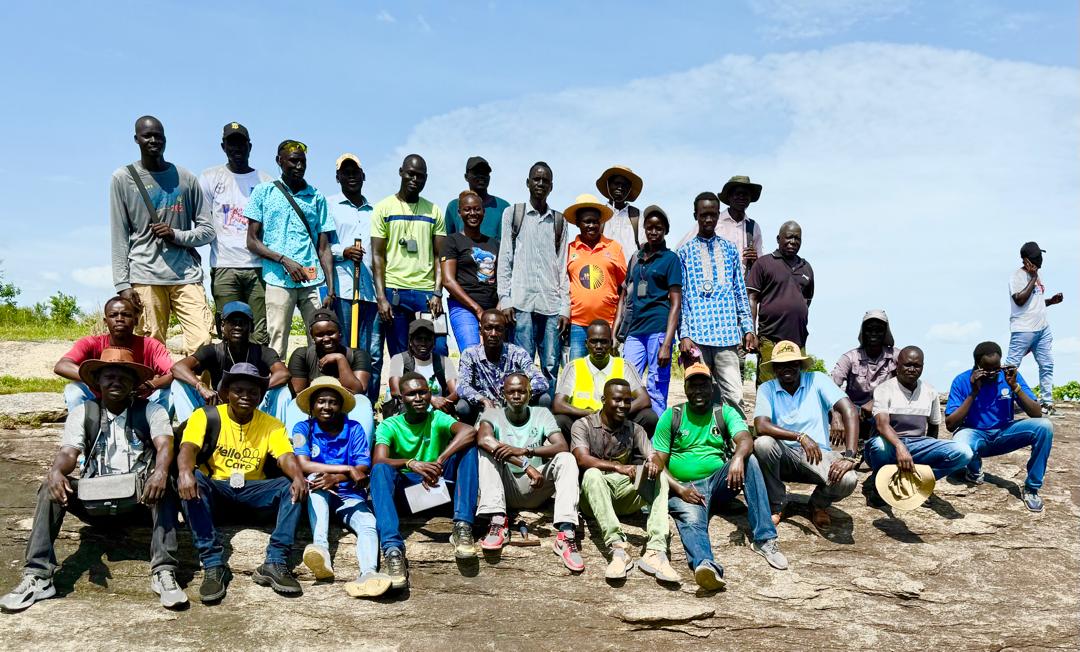
Eye Radio reports that South Sudan's universities face growing pressure next year as more school leavers seek places than the system was built to hold.
JUBA — South Sudan's universities face pressure next year as demand for admission rises, Eye Radio has reported — a short headline that describes one of the defining squeezes in the country's education system: more young people completing secondary school and seeking a university place than the institutions have room, staff and funding to receive.
The pressure begins long before the admissions office. Every year, cohorts of pupils complete secondary education in Juba and the states, many of them the first in their families to do so. For those families, a university place is not an abstraction; it is the recognised route to a profession, a salary and a different life. When thousands of qualified school leavers chase a limited number of places, disappointment is built into the arithmetic, however fairly the places are allocated.
Universities feel the squeeze from several directions at once. Lecture halls, laboratories, libraries and student accommodation were built for smaller intakes. Teaching staff are limited, and the most experienced lecturers are in demand from government, aid agencies and private employers as well as from the universities themselves. Funding, in an economy under severe strain, rarely grows as fast as applications do.
The consequences of overcrowding are practical, not theoretical. Packed lectures make discussion harder and feedback rarer. Shared equipment means less practical time for science and medical students. Stretched libraries and connectivity limit the research that final-year students are expected to produce. None of this is the fault of the students who arrive; it is the predictable result of demand growing faster than capacity for years in succession.
There are choices within the pressure. Institutions can expand evening and distance learning, make fuller use of teaching space across the week, and strengthen technical and vocational routes so that a university degree is not the only respected path after secondary school. Employers and government can help by being honest about the skills they actually need, so that school leavers choose courses with a realistic prospect of work at the end of them.
There is a genuine tension here that no admissions policy can wish away. Restricting entry protects quality but closes the door on qualified young people whose families have sacrificed heavily for their schooling. Expanding entry without expanding staff and facilities protects access but risks devaluing the degree itself. South Sudan is not alone in facing that dilemma — universities across Africa are managing the same surge of school leavers — but the country's starting point, after decades in which higher education was disrupted by war, makes the catch-up steeper than most.
None of that removes the central fact Eye Radio's report points to: next year's admissions will be harder pressed than this year's. For school leavers now waiting on results and application windows, the advice is unglamorous but real — apply early, keep more than one option open, and consider the full range of institutions and courses. For policymakers, the rising queue outside the university gate is best read not as a problem but as evidence: a generation is asking for education faster than the country is building it. (Source: Eye Radio)
Source: Juba Global News Network, reporting Eye Radio coverage.