Britain and EU Open New Phase of Cooperation After Brussels Summit
Agreements announced on November 20 promise simpler food trade, a youth mobility programme and linked carbon markets — a package London estimates could be worth up to £17 billion a year by 2040, while stopping well short of reversing...
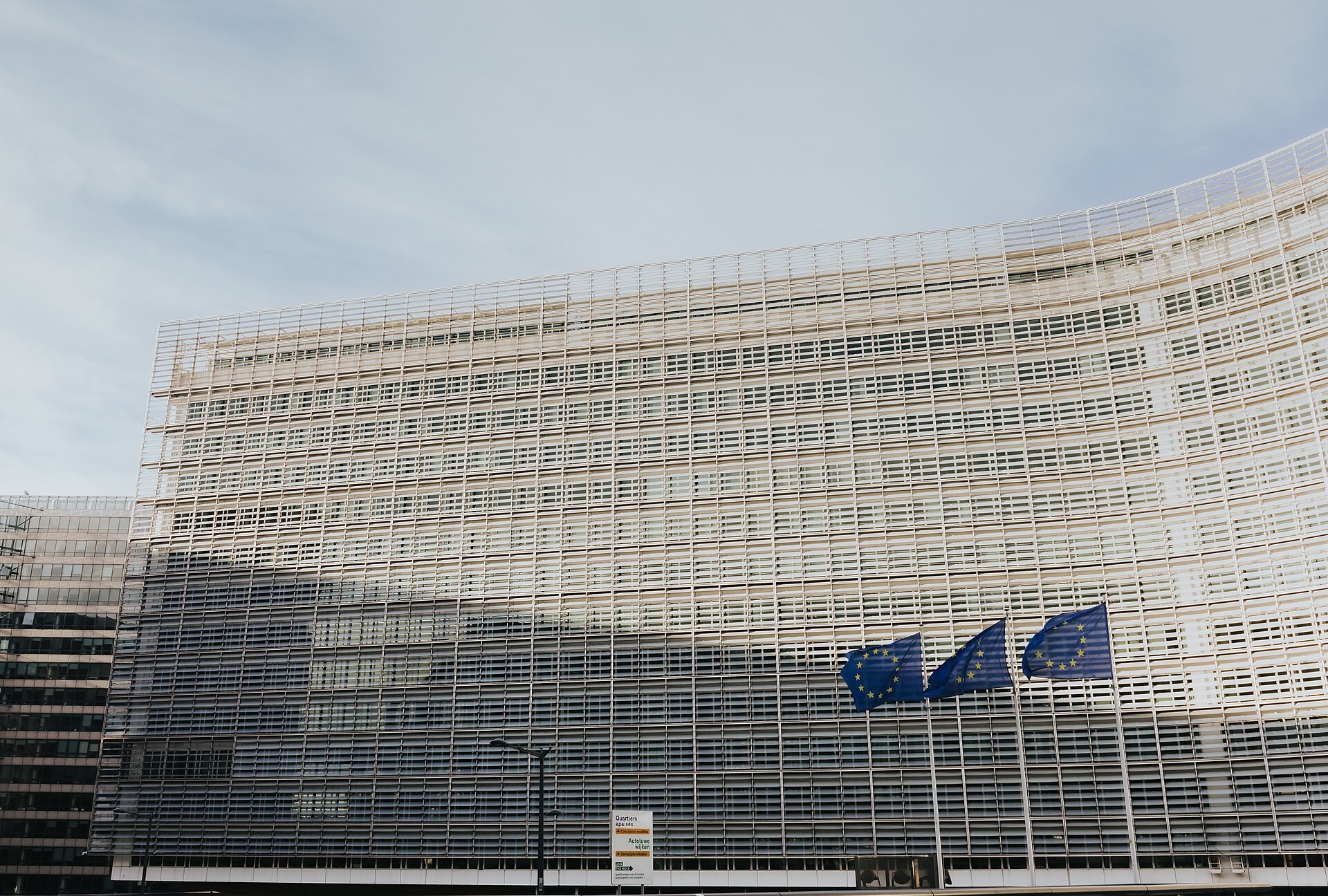
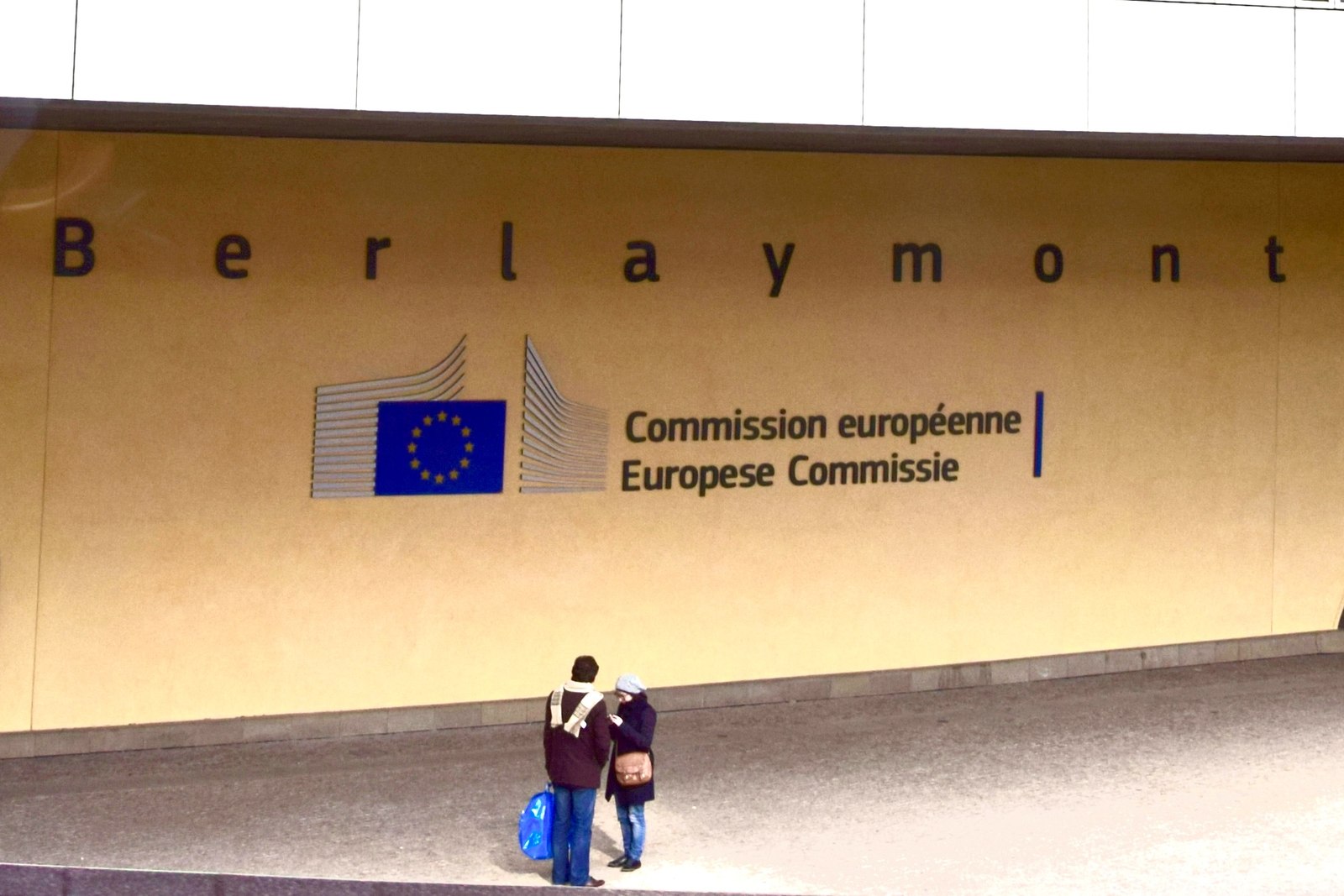
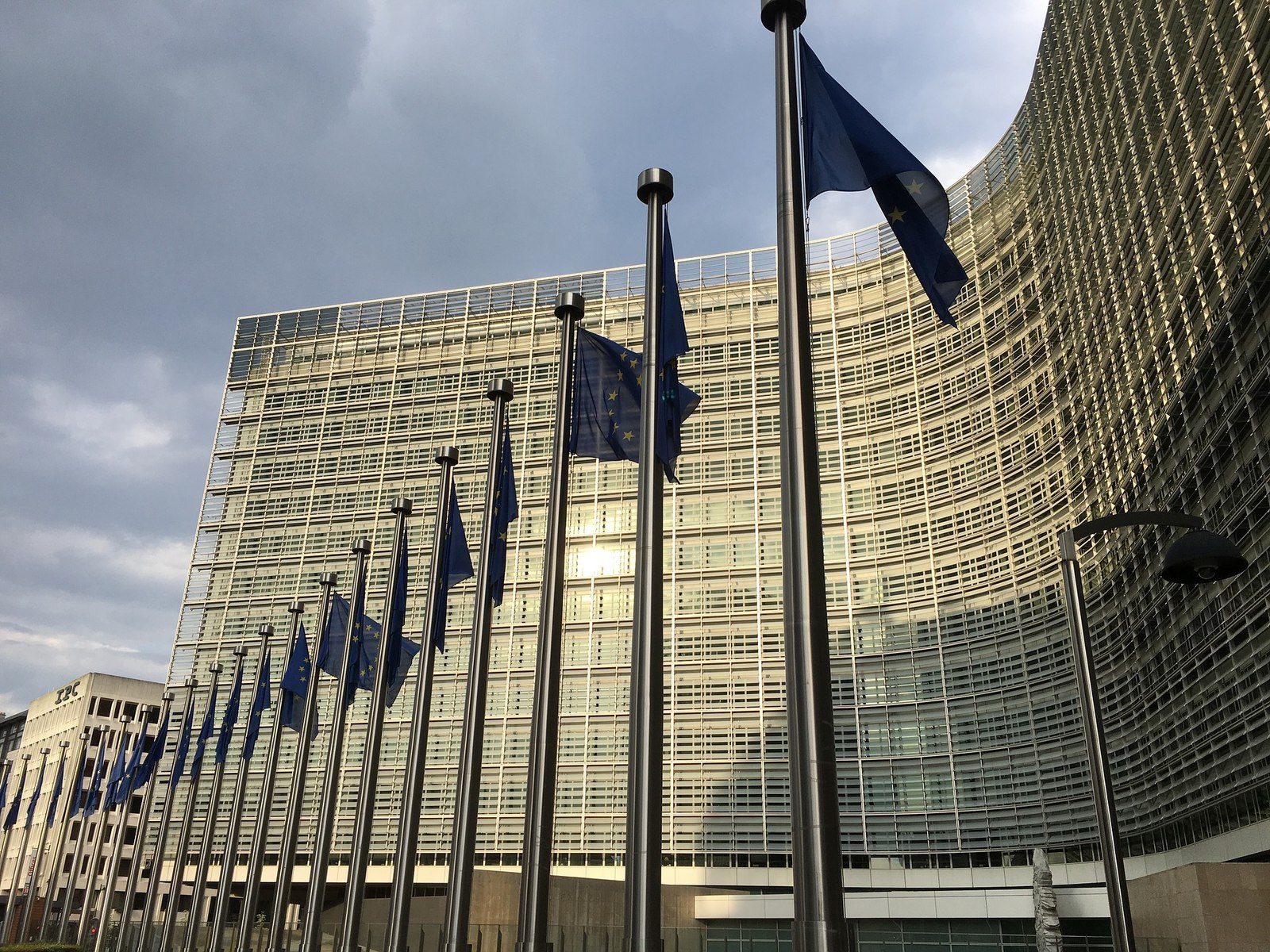
The Berlaymont building in Brussels, headquarters of the European Commission, where the November 20 summit agreements were announced. (Wikimedia Commons, CC BY 2.0)
Agreements announced on November 20 promise simpler food trade, a youth mobility programme and linked carbon markets — a package London estimates could be worth up to £17 billion a year by 2040, while stopping well short of reversing Brexit.
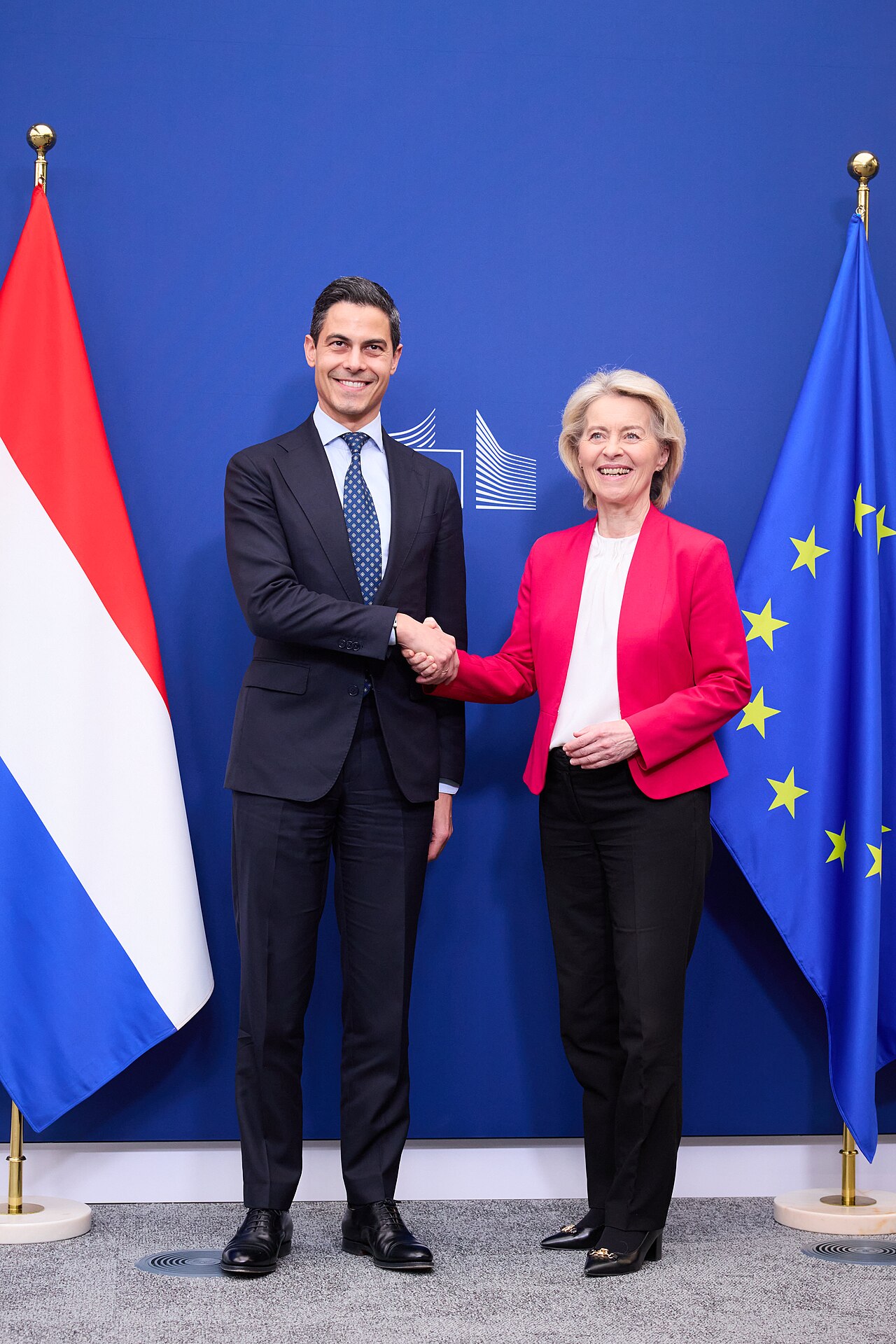
The United Kingdom and the European Union are entering a new phase of cooperation after a series of agreements announced at a Brussels summit on November 20, in the most substantial warming of relations since Britain left the bloc.
Prime Minister Andy Burnham and European leaders agreed measures intended to reduce trade barriers, facilitate youth mobility and strengthen cooperation on the environment and security. The package represents a deliberate attempt by both sides to rebuild practical ties in areas where the friction of recent years has carried visible economic and social costs, without reopening the fundamental question of Britain's place outside the Union.
Trade stands at the centre of the deal. The agreements include simplifying trade in food, agricultural products and plants — a category in which paperwork, checks and certification have weighed heavily on exporters and importers since Brexit. For farmers, food producers and the supermarkets and shops that depend on cross-Channel supply chains, simpler rules in this sector could remove some of the most persistent day-to-day irritations of the post-Brexit settlement.
Climate policy forms the second pillar. The package includes a framework linking the two sides' carbon emissions trading systems. Linking carbon markets is a technical step with practical consequences: it aligns the price of pollution more closely across the Channel, reduces the risk of carbon-intensive production simply shifting location to escape charges, and gives businesses operating in both markets a more predictable framework for investment.
For younger people, the most tangible element may be mobility. The summit agreed a reciprocal youth mobility programme, opening a route for young Britons and young Europeans to live, work or study across the divide for a period of time. Schemes of this kind were among the opportunities most visibly lost to young people after Brexit, and their partial restoration carries a significance beyond their economic weight.
The British government estimates that the package could contribute up to £17 billion annually to the UK economy by 2040. That figure is a government projection of future benefit, not a realised gain, and it will be tested against the performance of the measures once they are implemented. Supporters of closer ties will treat it as evidence of the prize on offer; sceptics will note that projections reaching to 2040 rest on assumptions that events may not oblige.
Nor is everything settled. Disagreements remain between the two sides over university tuition and over the scope of regulatory alignment — the degree to which Britain would follow EU rules in return for smoother access. Those questions go to the heart of the Brexit argument itself, and their persistence explains why the summit's architects were careful to describe a new phase of cooperation rather than a new settlement.
Above all, the agreements do not reverse Brexit. Britain remains outside the European Union, its single market and its customs union. What Brussels produced on November 20 was something narrower and, its authors would argue, more achievable: a set of practical repairs to a relationship both sides need to work, negotiated by leaders who have decided that cooperation, within limits, serves them better than distance.
Source: Juba Global News Network, reporting Open Chronicle coverage.