Finance Ministry and Central Bank advance digital banking with real-time settlement system
The Ministry of Finance and Planning and the Central Bank of South Sudan are preparing the official launch of a Real-Time Gross Settlement system, a step towards modernising financial transactions.
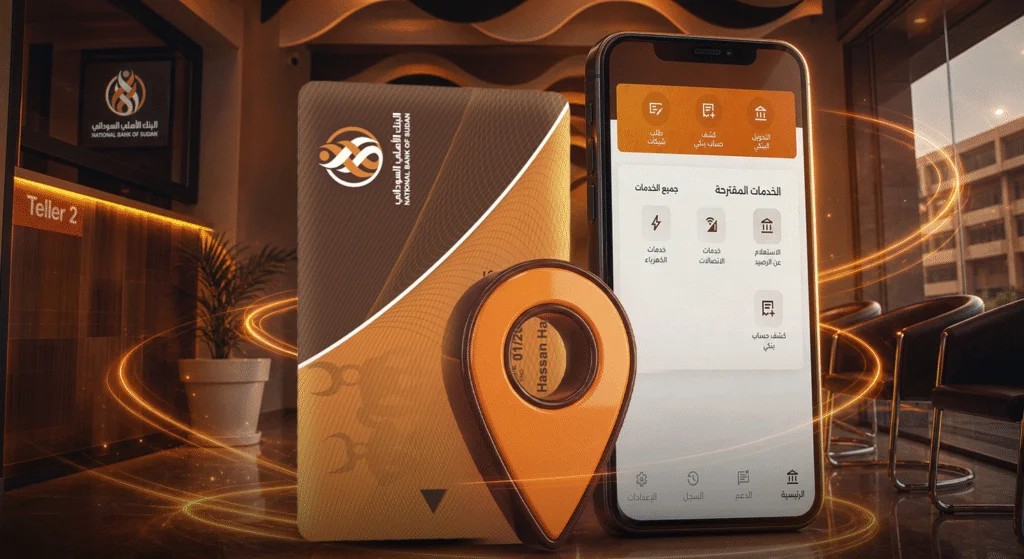
Digital and mobile payments are central to plans to modernise South Sudan's banking system. (Photo: rights-cleared pool via image search — see edition manifest)
The Ministry of Finance and Planning and the Central Bank of South Sudan are preparing the official launch of a Real-Time Gross Settlement system, a step towards modernising financial transactions.
JUBA — The Ministry of Finance and Planning and the Central Bank of South Sudan are preparing for the official launch of the Real-Time Gross Settlement (RTGS) system, marking a significant step towards modernising the country's financial transactions and replacing manual banking processes with digital payments, Juba reporting said on Friday.
Real-time gross settlement is the plumbing of a modern banking system: instead of banks netting off payments against each other at the end of the day, each large payment is settled individually and immediately in central bank money. For businesses, that means a payment sent in the morning is final by the afternoon; for the central bank, it means a clearer, minute-by-minute picture of liquidity in the banking system.
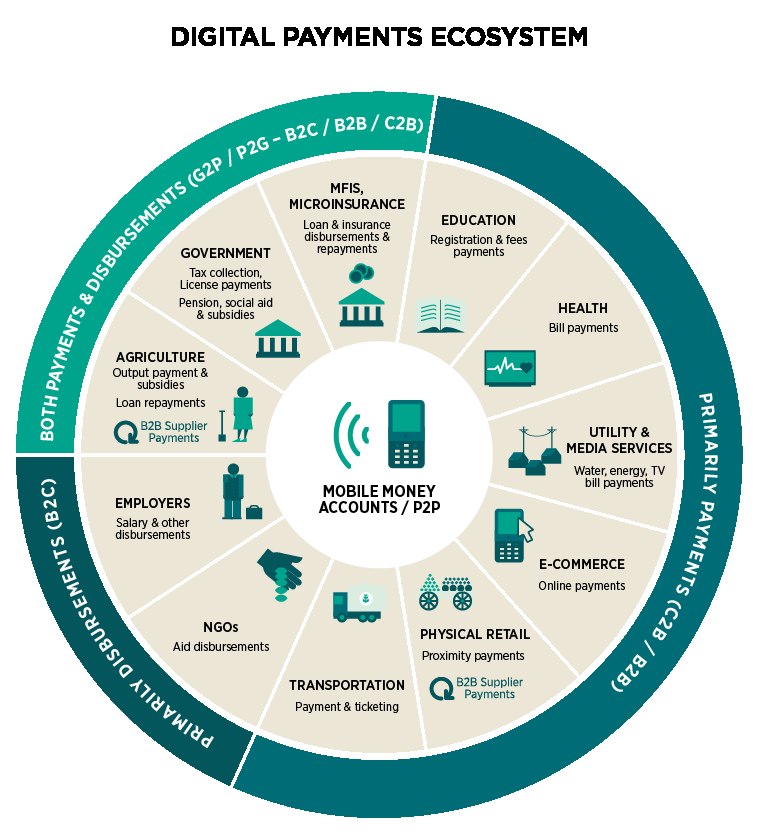
South Sudan's economy still runs heavily on cash, and manual processes slow everything from government payments to interbank transfers. Traders who move goods between Juba and the states describe payments as one of the friction points of doing business, alongside transport and exchange-rate volatility. A working RTGS does not solve those problems, but it removes one layer of delay and uncertainty from every large transaction.
Digital banking also matters for ordinary customers. As mobile money and bank apps spread, customers expect transfers between banks to behave like transfers within one bank — instantly and reliably. Interbank settlement is the invisible machinery that makes that expectation realistic, and its absence is one reason customers often keep money inside a single institution.
The launch will be judged on reliability rather than ceremony. Banks will need to connect their systems, staff will need training, and the central bank will need to publish clear rules for what happens when a payment fails. Businesses will watch the first weeks closely: a settlement system that works quietly is a success; one that interrupts payments would quickly become the story.
Juba Global News Network will report the launch date and the banks participating as soon as the Ministry and the Central Bank confirm them, and will explain in plain language what changes for customers and what does not.
Source: Juba Global News Network, reporting One Citizen Daily Newspaper coverage.