Safe sanitation is essential to dignity and equality, editorial argues on World Toilet Day week
Across South Sudan, many women and girls still face difficulties accessing safe and hygienic sanitation, particularly in rural communities, schools and public places.
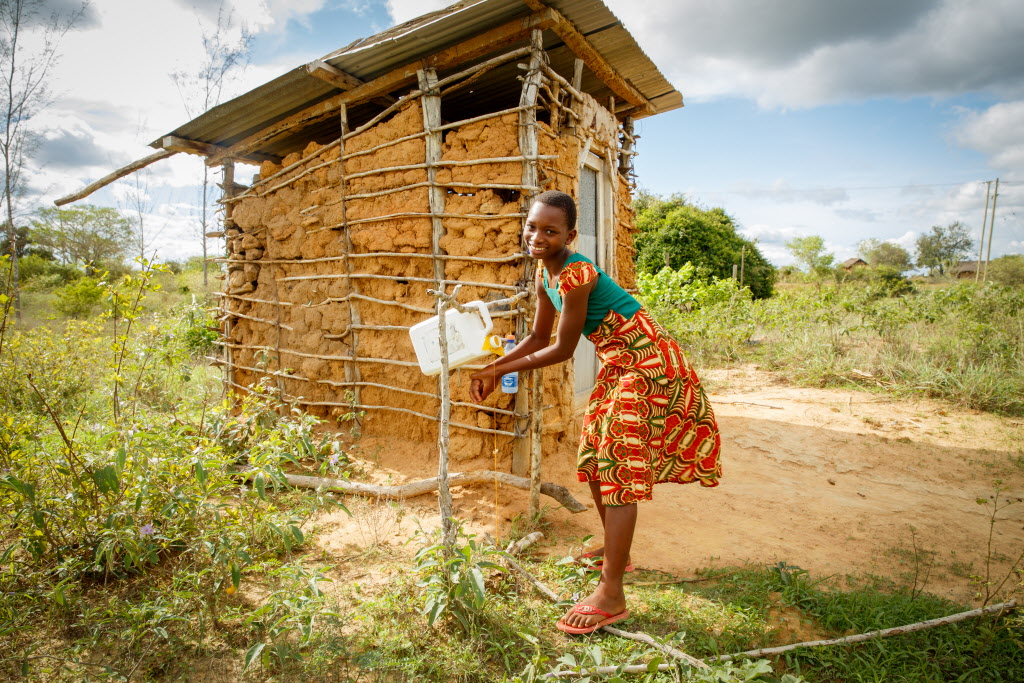
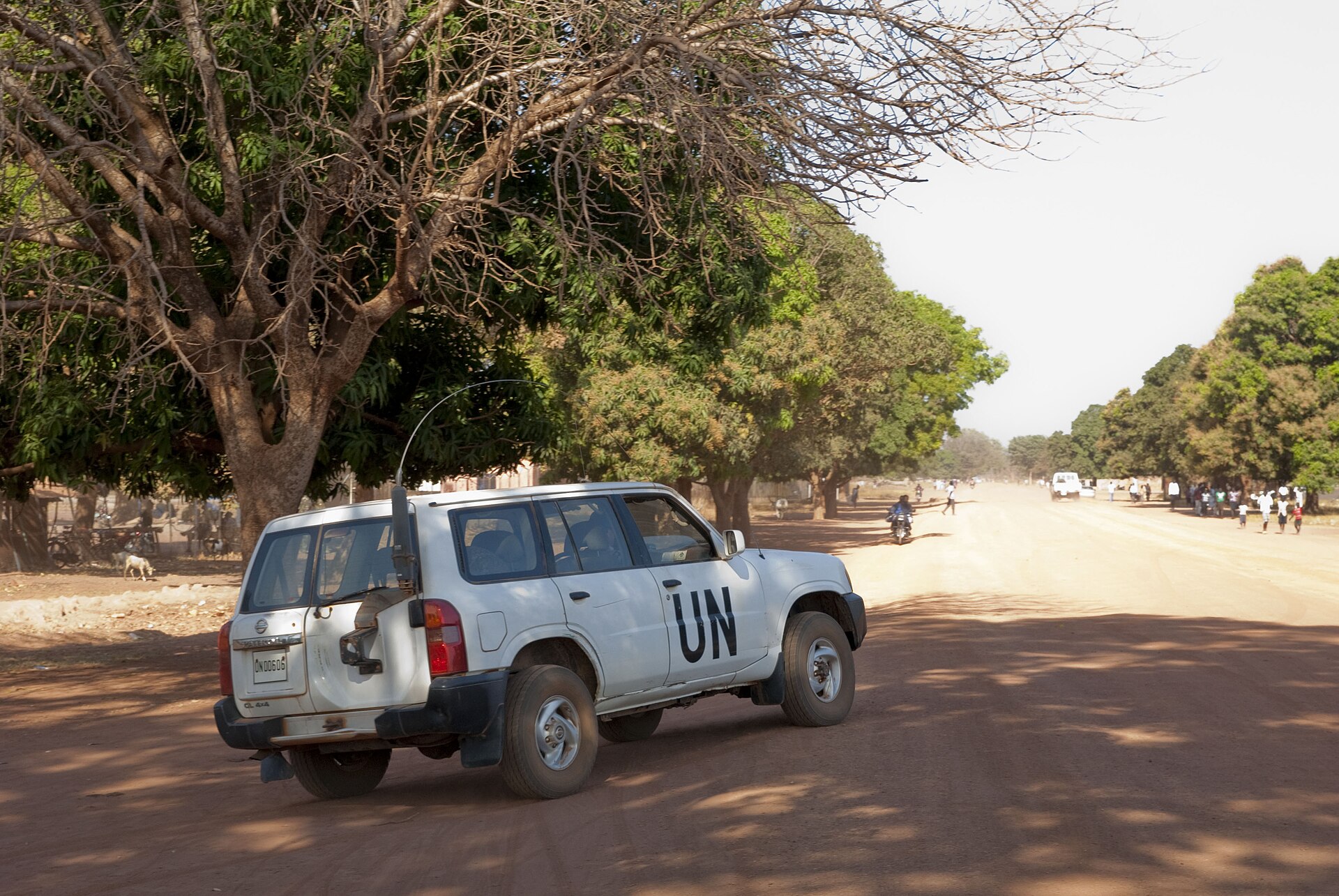
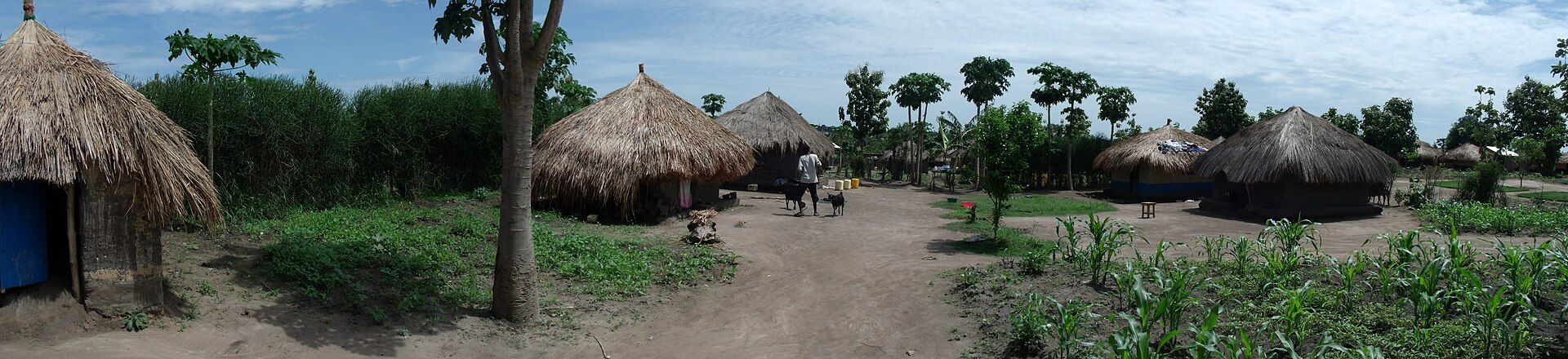
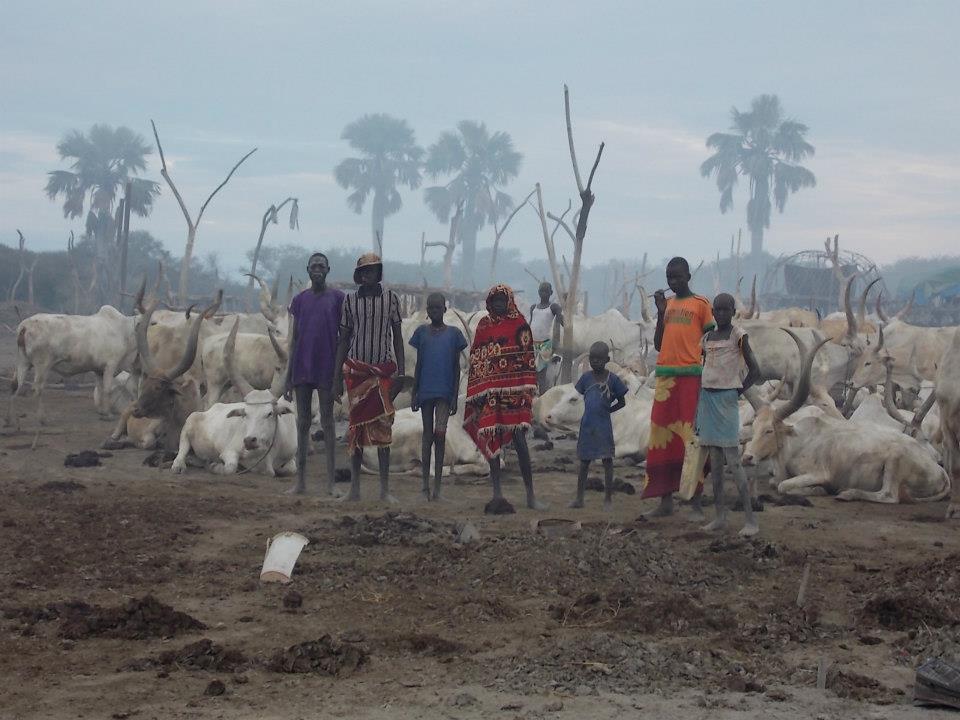
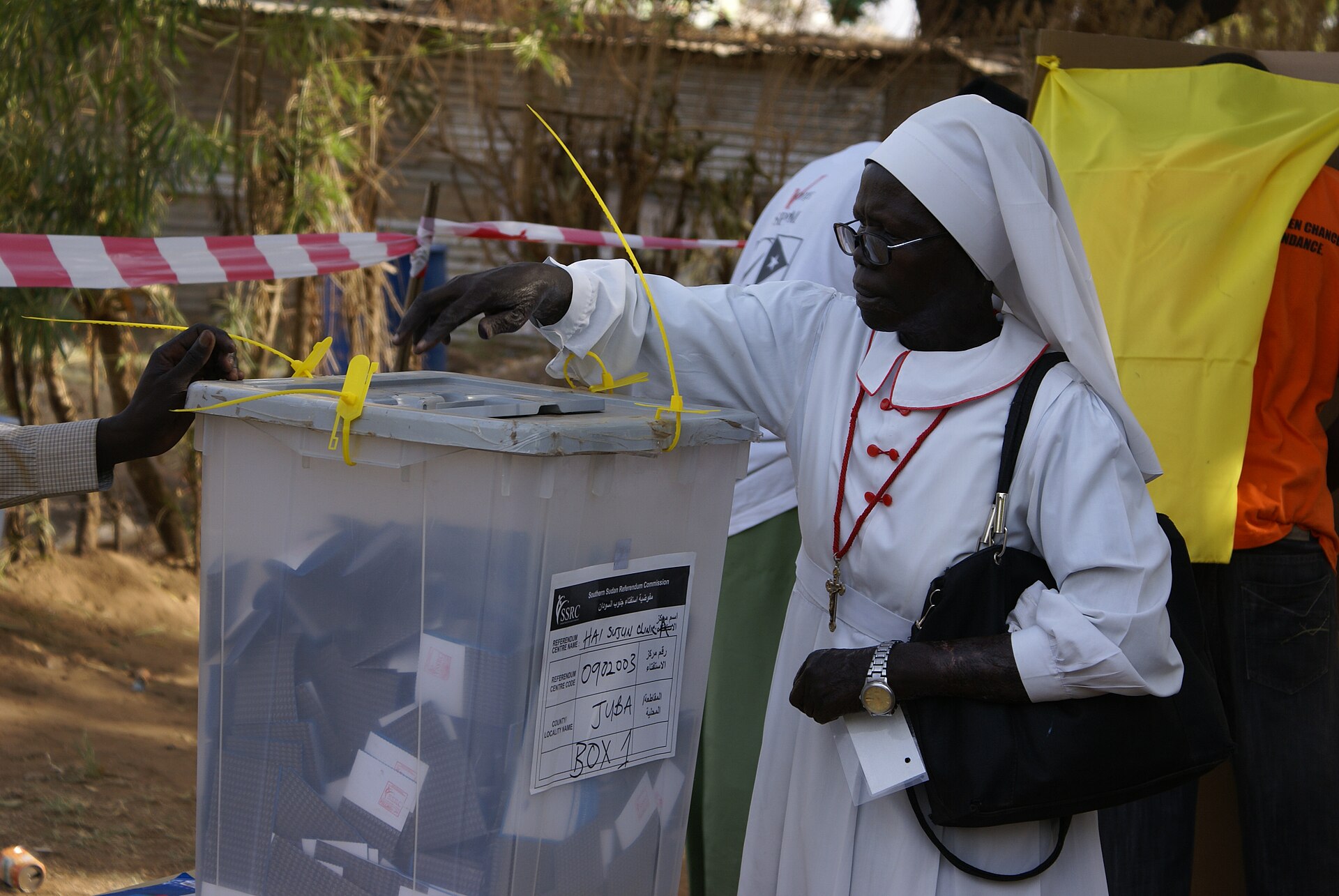
Safe water and sanitation facilities remain out of reach for many communities across the region. (Photo: rights-cleared pool via image search — see edition manifest)
Across South Sudan, many women and girls still face difficulties accessing safe and hygienic sanitation, particularly in rural communities, schools and public places.
JUBA — Access to safe sanitation is a basic human right and an important part of promoting gender equality, a Juba editorial argued this week. Across South Sudan, many women and girls continue to face difficulties accessing safe and hygienic sanitation facilities, particularly in rural communities, schools and public places.
The argument is practical before it is rhetorical. A school without a safe, private latrine is a school that older girls attend irregularly or leave early. A market without facilities is a workplace where women traders manage their health in silence. A clinic without sanitation puts mothers and newborns at risk at precisely the moment they are most vulnerable.
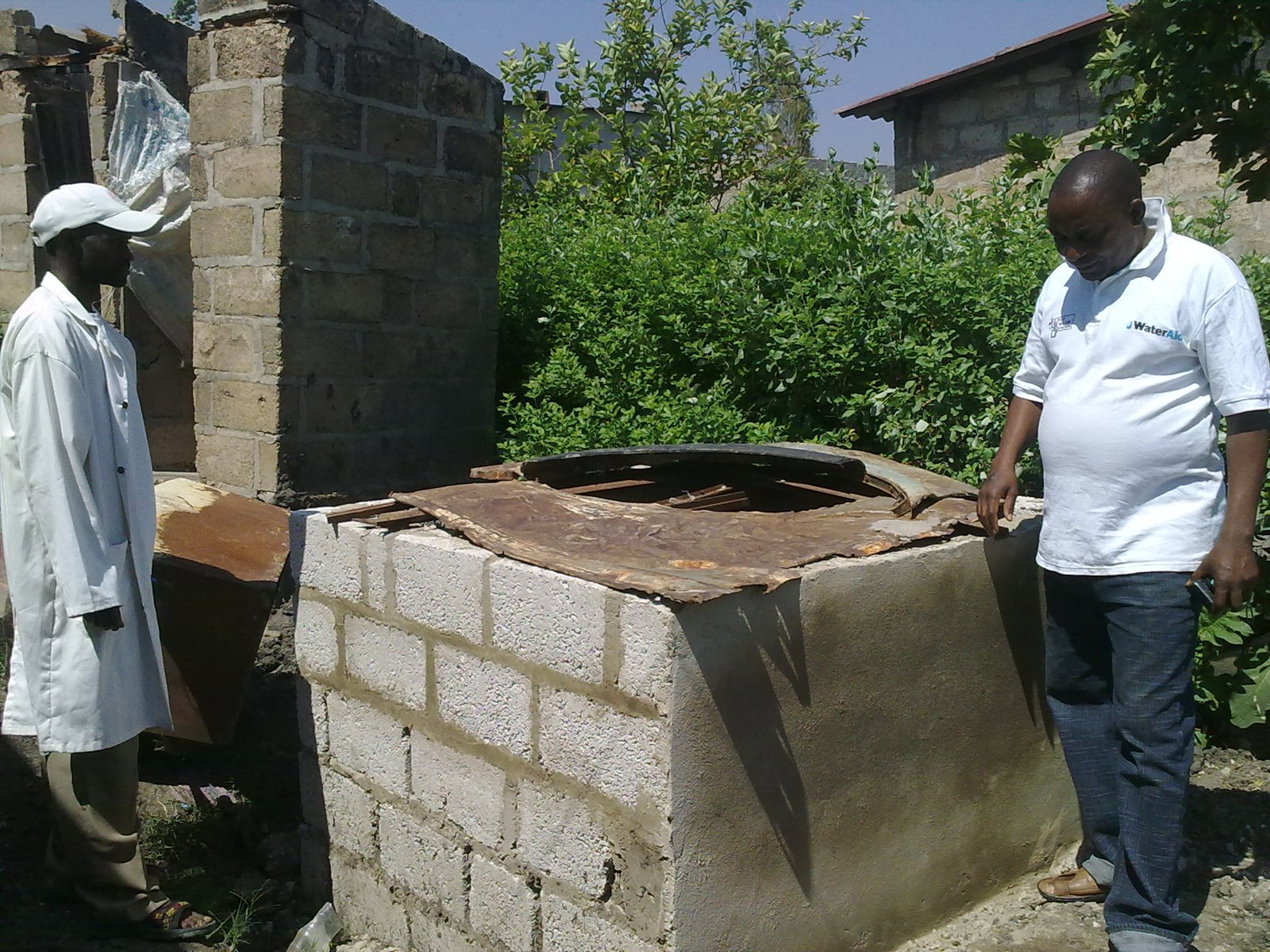
Sanitation is also a public-health intervention. Where open defecation is common and water sources are unprotected, diarrhoeal disease spreads quickly, and children under five pay the highest price. Latrines, handwashing and safe water are unglamorous infrastructure, but few investments prevent more illness per dollar.
This week's continental reporting carried the same theme. In Ghana, World Vision figures cited by AllAfrica said 6.13 million Ghanaians still practise open defecation, and a Capital FM commentary for World Toilet Day argued sanitation must become an affordable investment for every household. South Sudan's challenge is of the same kind, deepened by years of conflict, flooding and displacement.
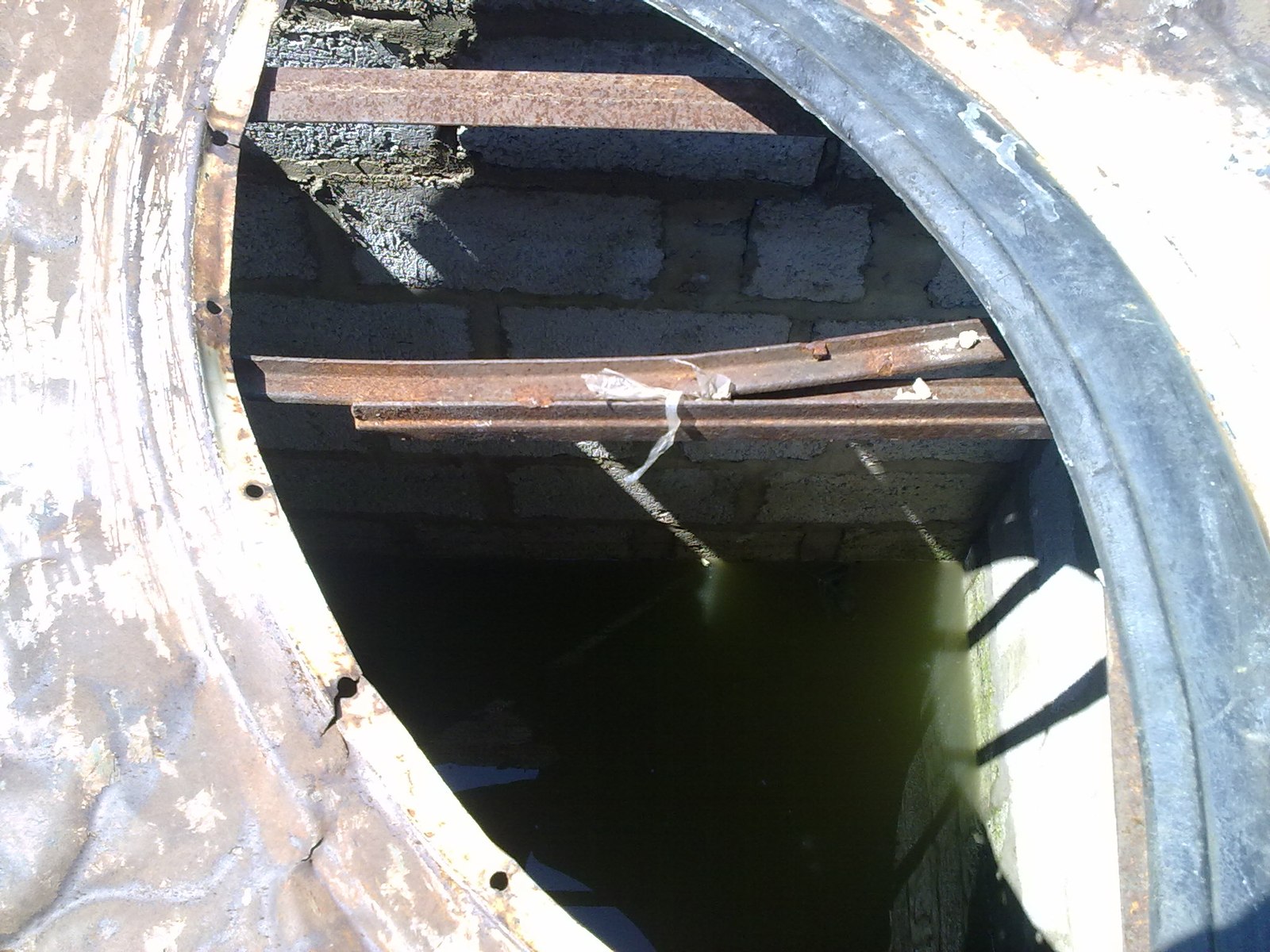
Floods deserve special mention. Across the Sudd and the northern floodplains, seasonal water destroys pit latrines and contaminates wells, setting communities back every year. Sanitation that cannot survive the flood season is not a finished job; raised, lined and flood-resilient designs cost more at the start and far less over time.
The editorial's conclusion is a challenge to budgets as much as to attitudes: count sanitation in school, clinic and market construction from the first drawing, maintain what is built, and measure success by whether a girl can attend school with dignity every day of the month.
Source: Juba Global News Network, reporting One Citizen Daily Newspaper (editorial) coverage.