Wall Street's AI Meltdown: Indexes Sink, Wipe Out 2026 Gains as Nvidia Leads a Tech Rout
The Nasdaq plunged 5.2 percent on Friday in its second-largest one-day points drop in history, as fears of an AI bubble overwhelmed even Anthropic's record-breaking stock market debut.

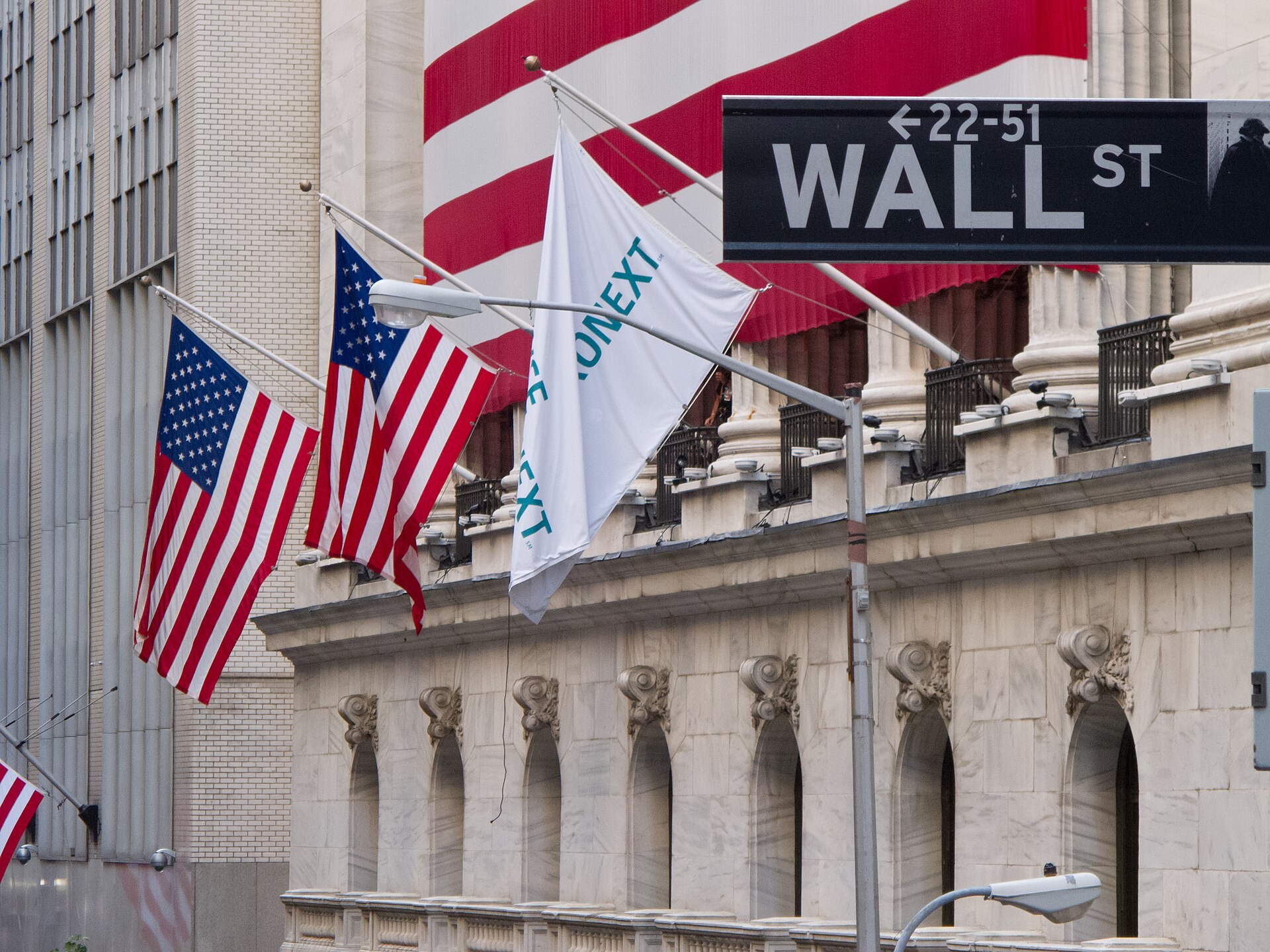
The New York Stock Exchange on Wall Street, where US indexes suffered their worst week since April 2025 as the AI trade melted down. (Photo: Wikimedia Commons, CC BY-SA 4.0 (New York Stock Exchange August 2017, via Wikimedia Commons))
The Nasdaq plunged 5.2 percent on Friday in its second-largest one-day points drop in history, as fears of an AI bubble overwhelmed even Anthropic's record-breaking stock market debut.
Stocks plunged on Friday as a sell-off in artificial intelligence shares gained momentum, sending the Nasdaq Composite into negative territory for the year and wiping out nearly all the 2026 gains of the other two major US indexes. The Nasdaq fell 5.2 percent, more than 1,200 points, the second-largest one-day points drop in the index's history. The S and P 500 declined 3.7 percent, losing ground for a seventh straight session, while the Dow Jones Industrial Average fell 1.9 percent, more than 900 points. Both the S and P 500 and the Dow have now moved into correction territory, each down more than 10 percent from their recent highs.
The weekly picture was just as bleak. The stock market posted its worst weekly performance since the first week of April 2025, when President Trump's announcement of reciprocal tariffs sent markets into a tailspin. The Dow finished the week down 8 percent, the S and P 500 declined 8.6 percent and the Nasdaq tumbled 10 percent. Only six weeks ago, the S and P 500 and the Nasdaq were trading at record highs; after Friday, the Nasdaq is down nearly 3 percent for the year, while the other two indexes are up less than 1 percent. The Cboe Volatility Index, Wall Street's fear gauge, jumped 26 percent to near 36, its highest mark since last year's tariff turmoil, when it surged above 50.
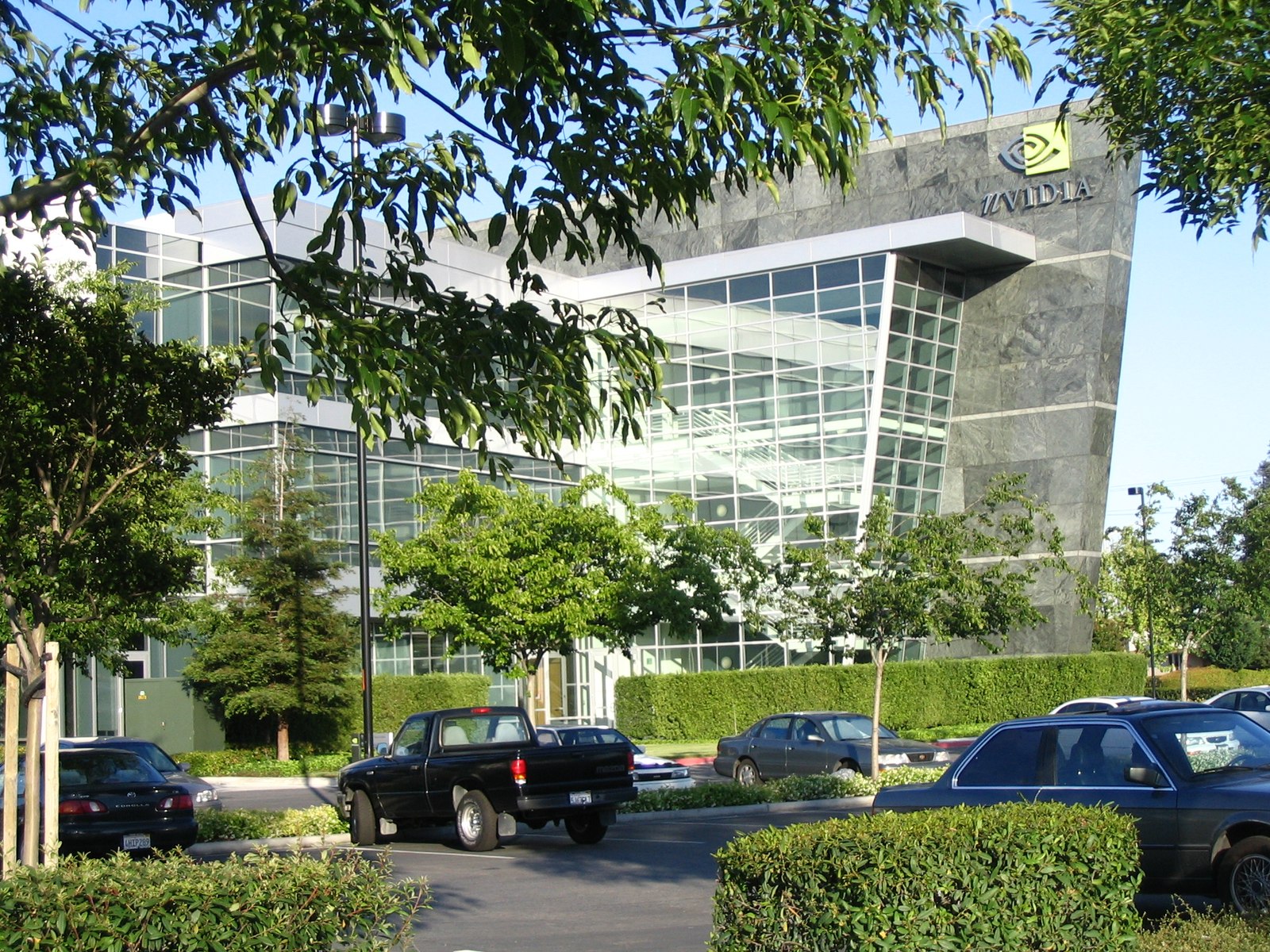
Chip stocks, the engine of the AI boom, were hit hardest. Shares of Nvidia, the AI bellwether, fell 14 percent, leading the Dow's decliners; the stock has lost one-third of its value in the past two weeks as investors assess the impact of Jensen Huang's departure from the chief executive post. Advanced Micro Devices dropped 13 percent, while Broadcom, Marvell Technology and Micron each posted double-digit declines. The iShares Semiconductor ETF lost 11 percent and the Roundhill Memory ETF 13 percent. Memory makers SanDisk fell 16 percent, and Seagate and Western Digital each dropped 12 percent, while Nvidia-backed Coherent and Nebius plunged 13 and 16 percent respectively.
Remarkably, not even a landmark success could lift the mood. Anthropic's initial public offering this week was the biggest on record and immediately catapulted the AI laboratory into the ranks of the world's largest companies by market value, yet Anthropic shares themselves fell nearly 9 percent on Friday to around 89 dollars. The stock had debuted on Thursday at 111.50 dollars, well above its 83-dollar IPO price, before closing that session at around 97 dollars. The IPO had been expected to be a major test for the AI trade; instead, investors took little comfort from its success, selling the very sector the listing was meant to validate.
The selling spread well beyond technology. SpaceX, which carried out its own massive IPO in June, fell 8 percent, while Meta Platforms declined 6 percent and Tesla 8 percent, and Amazon, Apple and Microsoft were also down sharply. Bitcoin traded at about 59,000 dollars, its lowest level since June, as investors steered clear of risky assets, and gold futures fell 4 percent to 3,540 dollars an ounce, their lowest point since September 2025, an unusual fall for a traditional haven that suggested investors were selling what they could, not what they wanted. West Texas Intermediate oil futures rose 1.1 percent to 84.10 dollars a barrel, and the yield on the 10-year Treasury note eased to 4.94 percent from 5.05 percent, having now fallen for four straight days.
For ordinary savers, the numbers translate into pension and investment accounts that have given back a year of progress in a matter of days. The question hanging over next week is whether Friday was capitulation, the moment selling exhausts itself, or the middle of a deeper repricing of an AI boom that investors had, until recently, treated as unstoppable. Either way, the market that emerges will price artificial intelligence on earnings and evidence rather than on promise alone, and the correction, painful as it is, marks the end of the assumption that AI stocks only move in one direction. (Source: Investopedia)
Source: Juba Global News Network, reporting Investopedia coverage.