US deportees in South Sudan faced hunger as guards pocketed family money, families say
An Associated Press investigation reports that migrants deported by the United States to South Sudan endured hunger and detention, while guards solicited money from families. South Sudan's Foreign Ministry says detainees receive adequate...
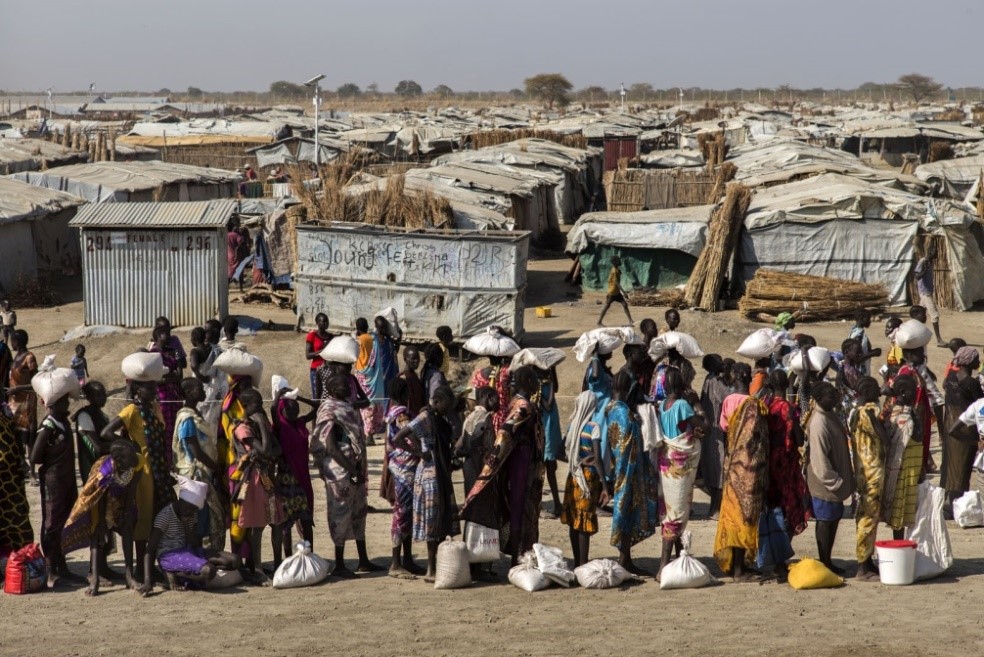
Humanitarian conditions in South Sudan remain severe, with millions facing hunger after years of conflict and floods. (Photo: rights-cleared pool via image search — see edition manifest)
An Associated Press investigation reports that migrants deported by the United States to South Sudan endured hunger and detention, while guards solicited money from families. South Sudan's Foreign Ministry says detainees receive adequate care.
JUBA — Migrants deported by the Trump administration to countries other than their own have endured hunger, thirst and other deprivations while being detained indefinitely in places with poor human rights records and little oversight, the Associated Press reports. For those expelled to South Sudan, and their families, the ordeal has come at an additional cost.
Guards have solicited and received thousands of dollars from detainees' families, who were told the money would be used to improve conditions for their loved ones. Instead, the guards pocketed most of the money, families said, while detainees went for days without food or clean water, and months held incommunicado. 'They used our desperate situation,' said Ngoc Phan, a United States citizen whose husband Tuan Phan had been detained in South Sudan for nearly a year before he was repatriated to Vietnam in June.
In addition to the Phans, the Associated Press interviewed six other people familiar with the treatment of detainees in South Sudan, including relatives and lawyers. Five deportees remain in custody in South Sudan, a country where millions face severe hunger and poverty after years of civil conflict and devastating floods.
When asked about the AP's findings, a spokesperson for South Sudan's Foreign Ministry said detainees are given adequate food, water and medical care, and are allowed regular contact with relatives and lawyers while it works to resolve their individual cases. The spokesperson said the government pays for all the associated costs. The two accounts — families and the ministry — cannot both be wholly correct, and the AP's reporting is presented here with both sides as published.
Under a series of agreements whose details remain unclear, the Trump administration has deported thousands of people to more than 30 countries that are not their own, advocates say, as part of a broad crackdown on immigration. In July 2025, after a legal battle that ended with a Supreme Court ruling, Phan and seven other migrants with criminal convictions were deported to South Sudan.
Relatives and lawyers for detainees still in South Sudan say they have little faith the detention will end or conditions will improve without pressure from the United States government or international organisations. The AP reports that staff at the US Embassy in Juba have been instructed not to visit the detainees or follow up on their treatment, according to its sources.
Source: Juba Global News Network, reporting Associated Press coverage.