Ghana Unveils 'Heritage Series' Banknotes Honouring Nkrumah, Kofi Annan and Makola Traders
The Bank of Ghana has launched a new Heritage Series of cedi banknotes, with individual portraits honouring figures from politics, religion, education, justice, culture and diplomacy - from Kwame Nkrumah on the 200-cedi note to Makola...
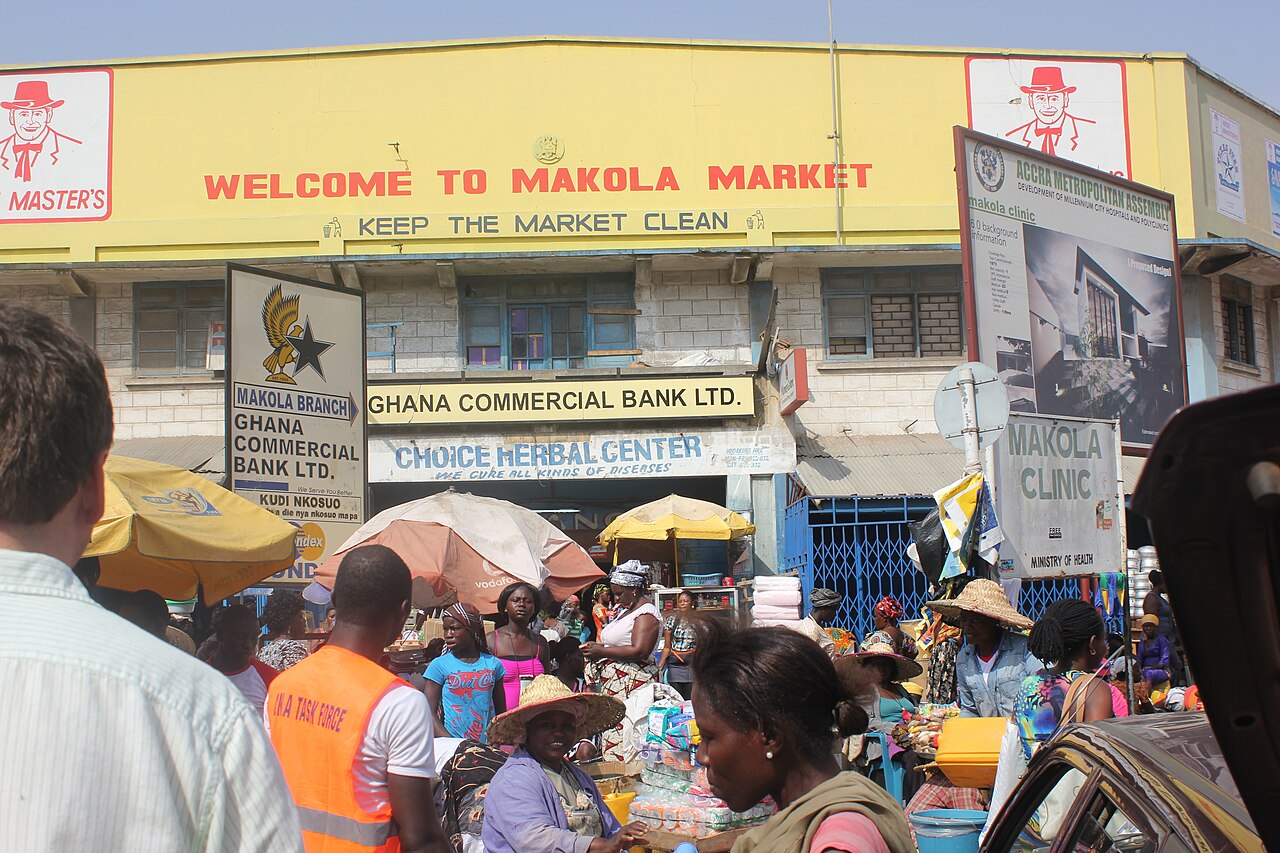
The entrance to Makola Market in Accra; pioneering Makola trader Agnes Oforiwa Tagoe-Quarcoopome appears on Ghana's new one-cedi Heritage Series note. (Photo: Wikimedia Commons)
The Bank of Ghana has launched a new Heritage Series of cedi banknotes, with individual portraits honouring figures from politics, religion, education, justice, culture and diplomacy - from Kwame Nkrumah on the 200-cedi note to Makola market trader Agnes Oforiwa Tagoe-Quarcoopome on the one-cedi note - ahead of circulation on 1 December.
The Bank of Ghana has unveiled a new series of cedi banknotes, the Ghana Cedi Heritage Series, featuring individual portraits of prominent Ghanaians whose work helped shape the country's history, in a redesign the central bank says will modernise currency management, make the notes more durable and strengthen protection against counterfeiting. Launched on Thursday, 12 November 2026, at Bank Square in Accra, with President John Dramani Mahama as special guest, the series keeps the eight existing denominations from one to 200 cedis and will enter circulation on 1 December 2026, running alongside the existing notes, which remain legal tender. The launch theme was 'The Cedi, Our Future: Secure, Designed to Last.'
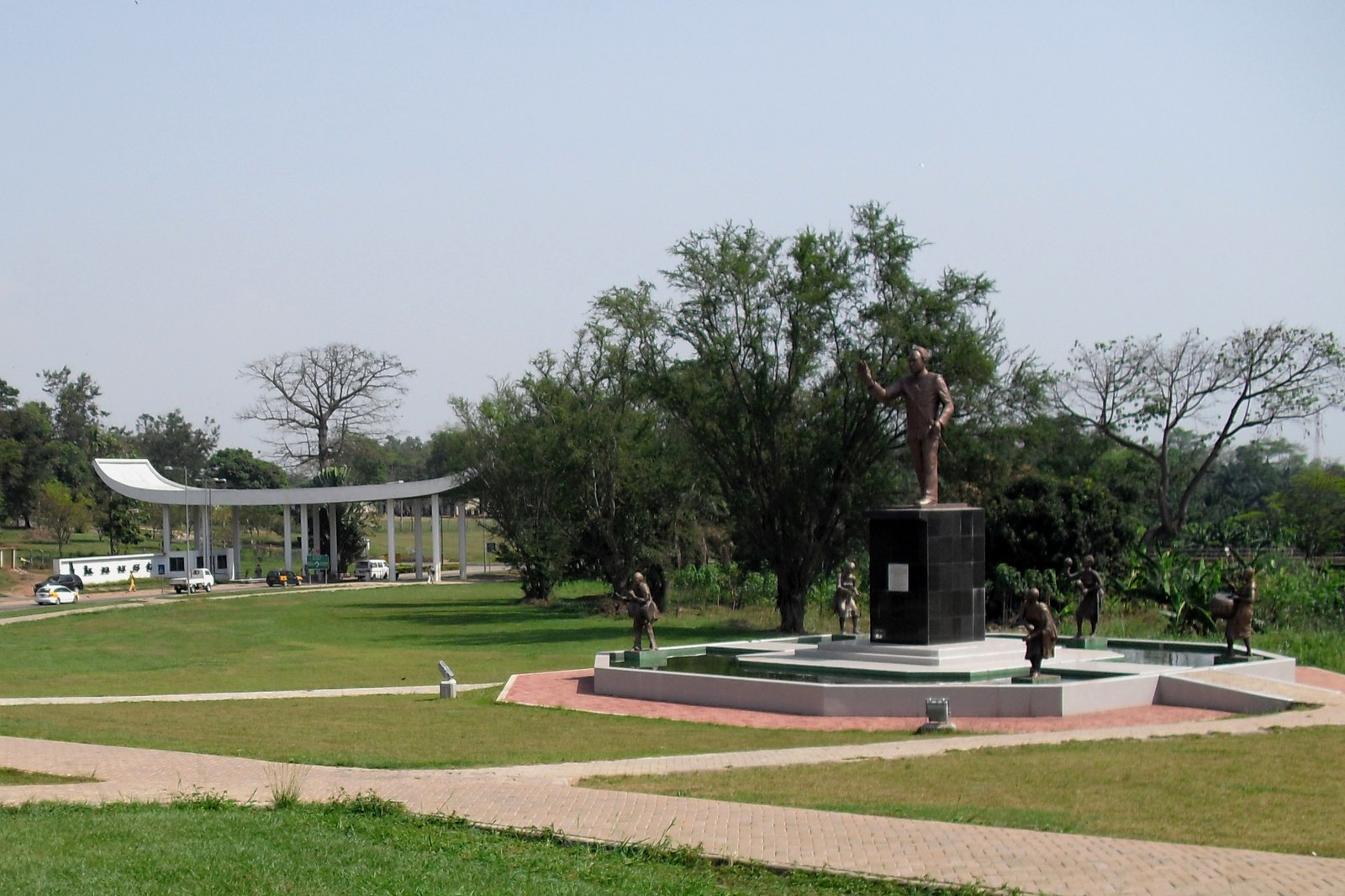
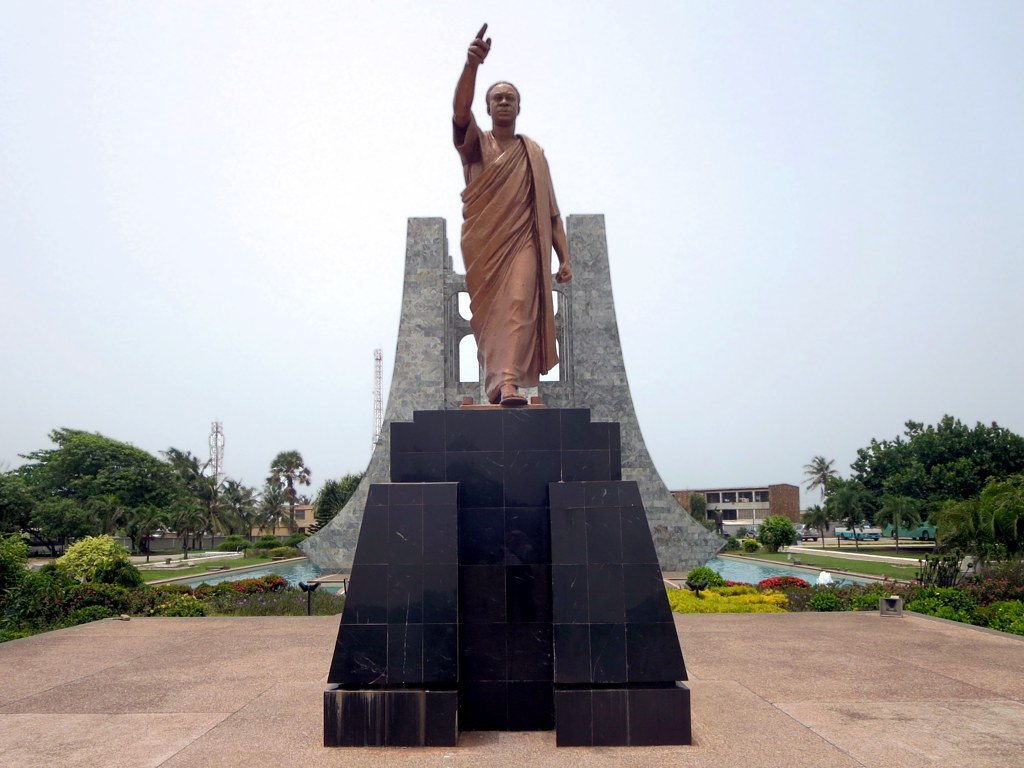
The most striking change is who appears on the money. The current notes carry the collective portrait of the Big Six, the independence leaders; in the Heritage Series only Dr Kwame Nkrumah, Ghana's first president, remains of the six, now appearing individually on the highest denomination, the 200-cedi note, with his mausoleum in Accra also featured. The other five - Dr Joseph Boakye Danquah, Ebenezer Ako-Adjei, Edward Akufo-Addo, Emmanuel Obetsebi-Lamptey and William Ofori Atta - do not appear in the new series. In their place, the bank has chosen individuals recognised for contributions to national development across religion, education, public service, culture and international diplomacy, each note pairing a portrait on the front with a landmark on the back.
At the other end of the scale, the one-cedi note honours Agnes Oforiwa Tagoe-Quarcoopome, a pioneering market trader and market queen associated with Makola Market in Accra, recognised as the first Makola market woman to open a bank account with the then Standard Bank of West Africa, now Standard Chartered Bank. The note also features Makola Market itself.
The remaining denominations complete the roll of honour. The two-cedi note features Cardinal Peter Porekuu Dery, the prominent Catholic leader from the Upper West Region, alongside the historic Larabanga Mosque, a pairing presented as a celebration of religious heritage and peaceful coexistence. Educationist James Emmanuel Kwegyir-Aggrey appears on the five-cedi note, with Achimota School on the reverse. Justice Annie Jiagge, the first woman in Ghana and the Commonwealth to become a judge, carries the ten-cedi note, backed by the Supreme Court. Composer Dr Ephraim Amu, who composed the Twi version of the national anthem, Yen Ara Asaase Ni, is on the 20-cedi note with the National Theatre, and Theodosia Salome Okoh, designer of the Ghana flag, is on the 50-cedi note with Jubilee House.
The 100-cedi note honours former United Nations Secretary-General Kofi Annan, one of Ghana's most internationally recognised figures, with the Kofi Annan International Peacekeeping Training Centre on the reverse, reflecting his contribution to international diplomacy, peacekeeping and conflict resolution. Three of the eight portraits in the series are of women - on the one, ten and 50-cedi notes - a balance the bank's presentation drew attention to, and the designs also incorporate traditional Adinkra symbols and historical landmarks intended to reflect Ghana's national identity. Governor Dr Johnson Pandit Asiama's launch remarks confirmed the 1 December circulation date and that the existing series stays in use alongside the new notes.
Currency redesigns are never only about security features, and the Heritage Series has started a national conversation about whose faces a country puts on its money. Retaining Nkrumah alone from the Big Six, while elevating a market trader, a judge, a flag designer and a composer alongside a president and a UN secretary-general, broadens the official story of Ghanaian achievement beyond the independence generation's politicians.
That daily use still runs heavily on cash. Bank of Ghana data reported this month put cash outside banks at 70.4 billion cedis in August, up 24.1 percent in a year, a reminder of how much of Ghana's economy the physical cedi still carries. From 1 December, Ghanaians will begin handling the new notes side by side with the old, and the Heritage Series will start doing the quiet work banknotes do: telling a country, in the middle of ordinary transactions, whose contributions it has chosen to remember. (Source: Ghana Guardian)
Source: Juba Global News Network, reporting Ghana Guardian coverage.