Diphtheria Antitoxin Shortages Put Thousands of Children at Risk in Nigeria, MSF Warns
Shortages of diphtheria antitoxin, the only specific treatment for the disease, combined with low immunisation coverage, are fuelling transmission in northern Nigeria and putting thousands of children at risk of severe illness and death...
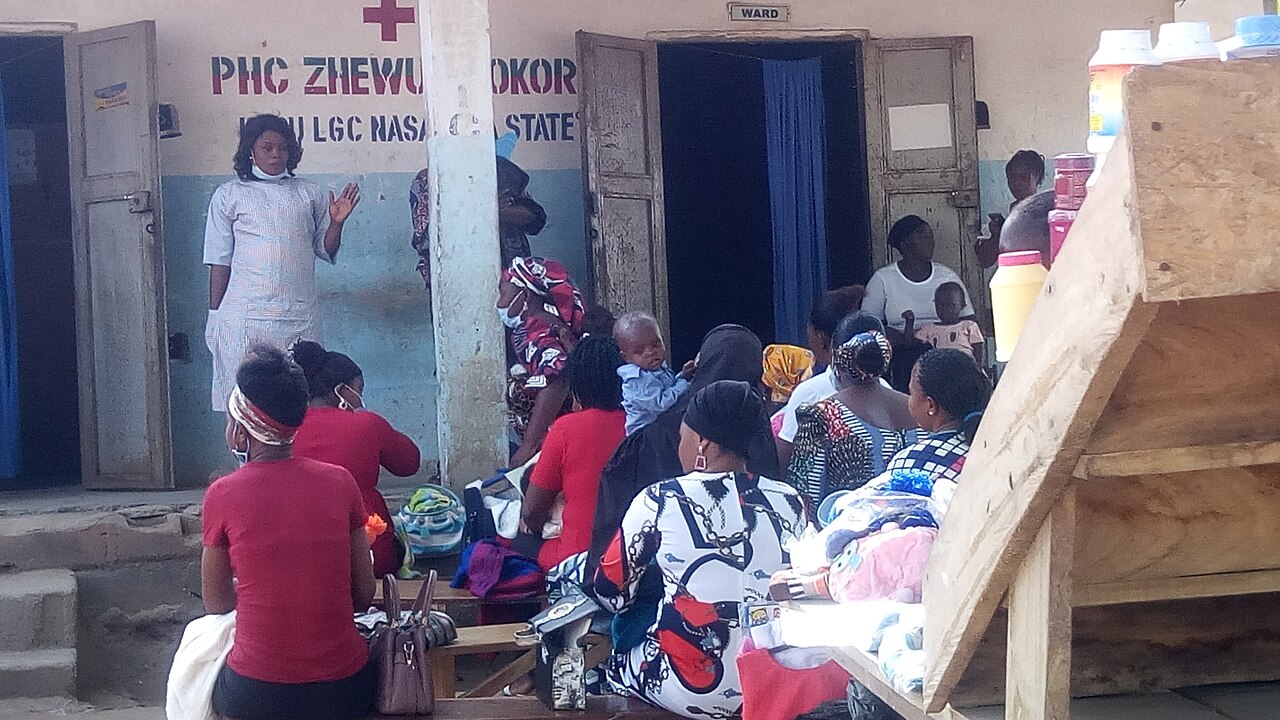
Health workers educating mothers during immunisation at a primary health centre in Masaka, Nigeria. (Photo: Wikimedia Commons)
Shortages of diphtheria antitoxin, the only specific treatment for the disease, combined with low immunisation coverage, are fuelling transmission in northern Nigeria and putting thousands of children at risk of severe illness and death, Médecins Sans Frontières has warned.
Médecins Sans Frontières has warned that shortages of diphtheria antitoxin, together with low immunisation coverage, are fuelling transmission of the disease and undermining efforts to control the outbreak in northern Nigeria, putting thousands of children at risk of severe illness and death. In a statement from Abuja, the medical charity urged federal and state authorities, donors and international partners to urgently secure existing supplies of the antitoxin, known as DAT, as well as vaccines and other essential medicines, before more children arrive at clinics too late to save.
"The global shortage of diphtheria antitoxin is becoming a matter of life and death," said Dr David Kizito, MSF's medical coordinator in Nigeria. "Our stocks are dangerously low, and we risk being unable to treat children and save lives as the outbreak continues." He added that diphtheria is a preventable disease, yet children continue to arrive at health facilities with life-threatening complications because they are not fully vaccinated, or because they cannot access care in time to receive treatment that works.
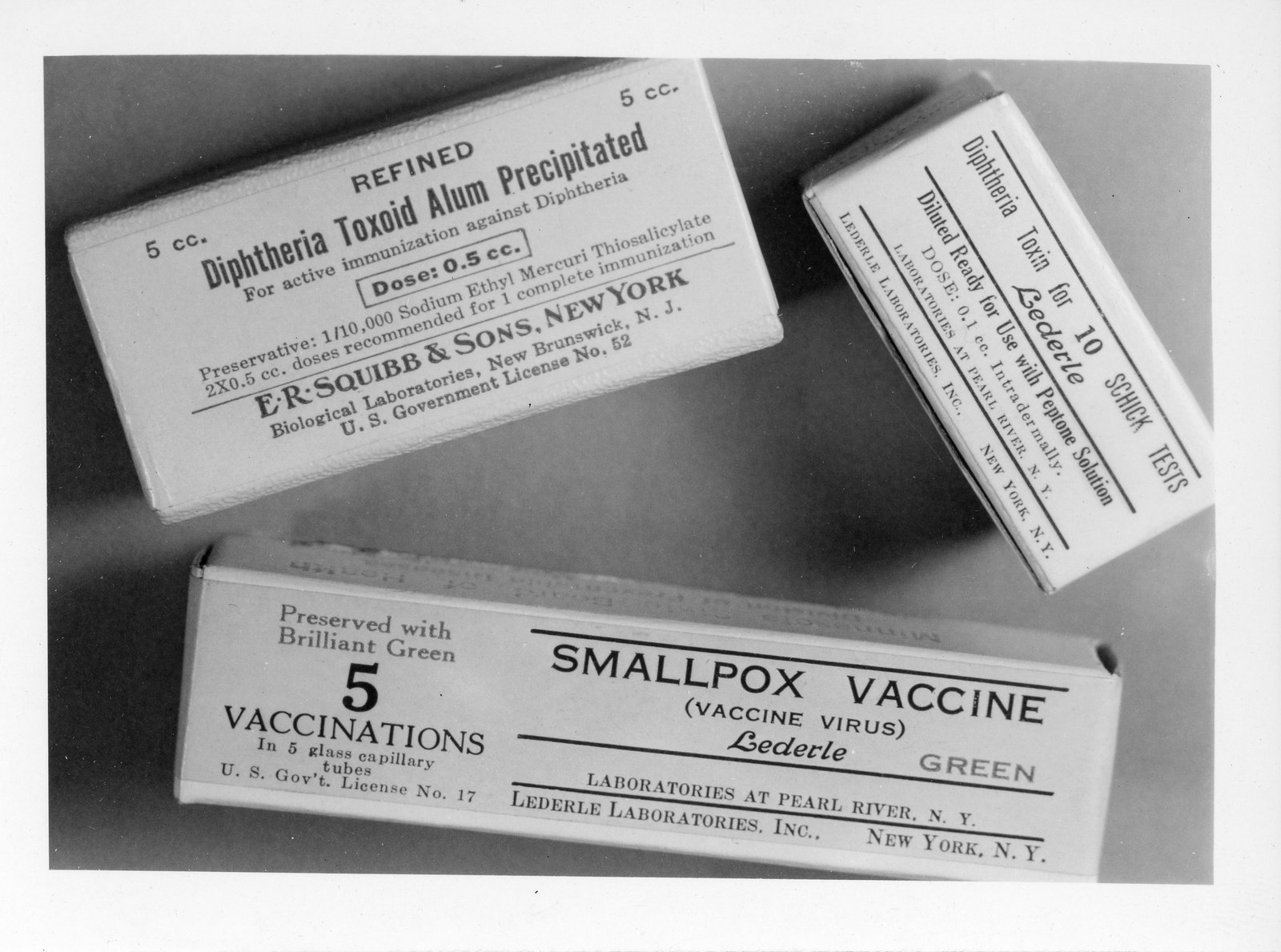
The pharmacology explains the urgency. DAT is the only specific treatment that neutralises the toxin produced by the diphtheria bacterium, and it is included on the World Health Organization's Model List of Essential Medicines. It is most effective when given within 48 hours of symptom onset, because antitoxin can only neutralise toxin still circulating in the blood, not toxin already bound to tissue. MSF says its teams repeatedly face situations in which stocks are insufficient or unavailable, and have been forced in some cases to ration treatment, potentially reducing a patient's chances of survival.
Nigeria has faced a major diphtheria outbreak since late 2022. Since it began, the cumulative toll has exceeded 41,000 suspected cases, more than 24,000 confirmed infections and over 1,260 deaths nationwide. Northern states, including Bauchi, Borno, Kaduna, Katsina, Kano, Plateau, Sokoto and Zamfara, remain particularly affected, and many areas have seen recent spikes in cases. In 2026 alone, as of 9 August, Nigeria had recorded 12,977 suspected cases, 10,476 confirmed infections and 406 deaths, figures that show the outbreak is far from over.
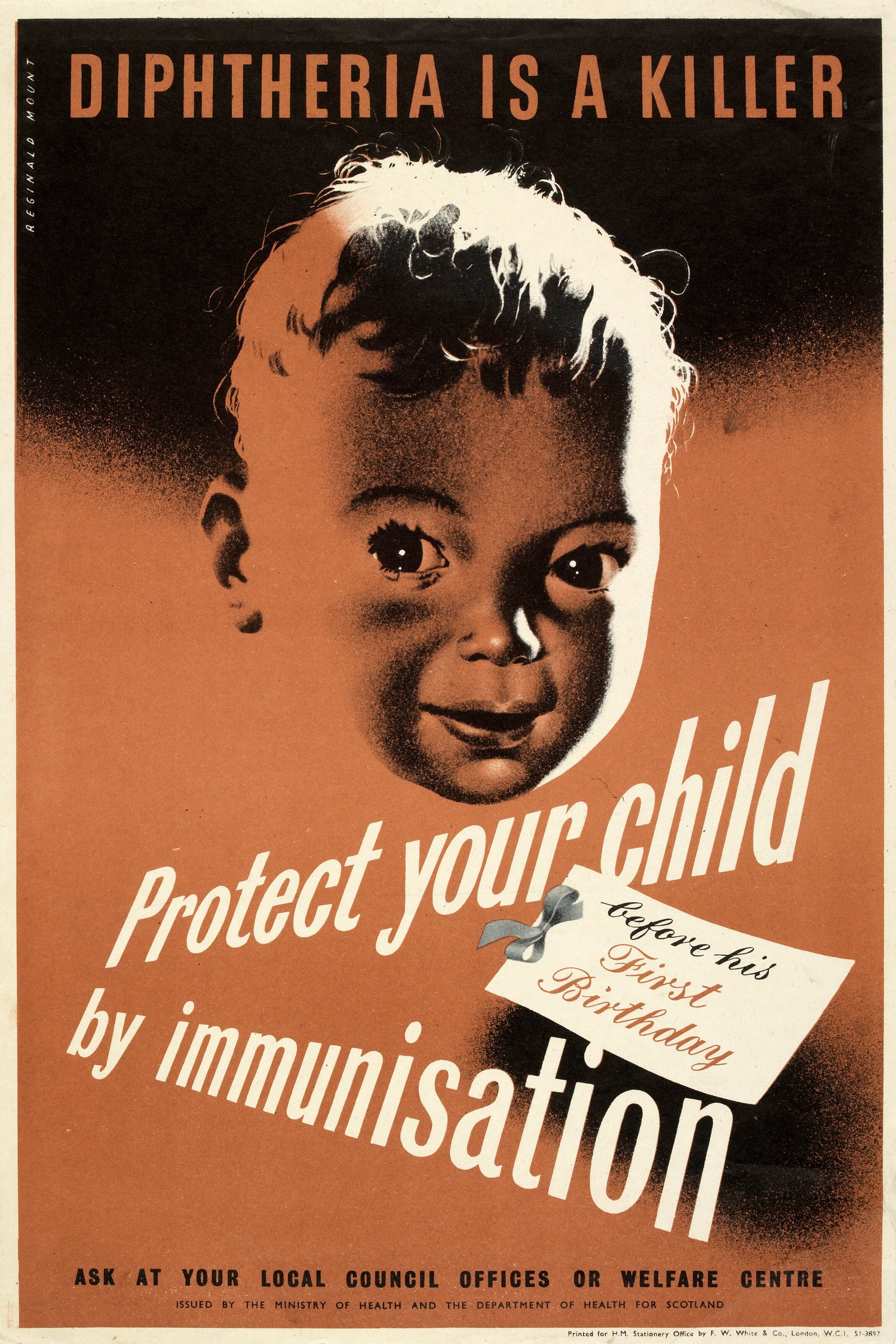
MSF says it is supporting state health authorities through patient treatment, infection prevention and control, surveillance, community engagement, health promotion, referral systems, vaccination support and the provision of medical supplies. In Kano, Sokoto and Zamfara states its teams are treating patients and supporting isolation and treatment facilities, with additional support in Bauchi, Katsina and Kebbi. Since the start of its response this year, MSF says it has treated over 9,000 diphtheria patients through facility-based and community-based care, and scaled up emergency activities in high-incidence areas.
Vaccination, the long-term answer, is lagging where it is needed most. In partnership with the Kano State Ministry of Health, MSF supported a two-round vaccination campaign in April and June that administered more than 835,000 vaccine doses to children across the state, and in Sokoto it supported rounds that reached tens of thousands more. But in Zamfara, where MSF-supported facilities in Gusau recorded more than 671 admissions in a single month from 6 October, a reactive campaign needed 90,000 doses and only 25,000 had been supplied, leaving roughly three in four of the target population unreached.
Behind the numbers sits a structural problem. MSF says manufacturers produce the antitoxin in small quantities because demand is unpredictable and financial returns are low, and that Nigeria, like most countries, holds no contingency stock and depends on donations or procurement through United Nations agencies. The charity is asking for supplies to be secured, cleared faster at ports and distributed better to affected communities. Until that happens, doctors in the north will keep making the hardest decision in medicine: which child gets the medicine that exists, and which child waits. (Source: Médecins Sans Frontières)
Source: Juba Global News Network, reporting Médecins Sans Frontières (MSF) coverage.