Rumbek Clashes: Conflicting Tolls Leave Lakes State Still Counting Its Dead
The caretaker Ministry of Information initially reported about 71 killed, including four soldiers, in the October fighting in Rumbek — but the army, county officials and UNMISS have each given lower figures, and the final toll remains...
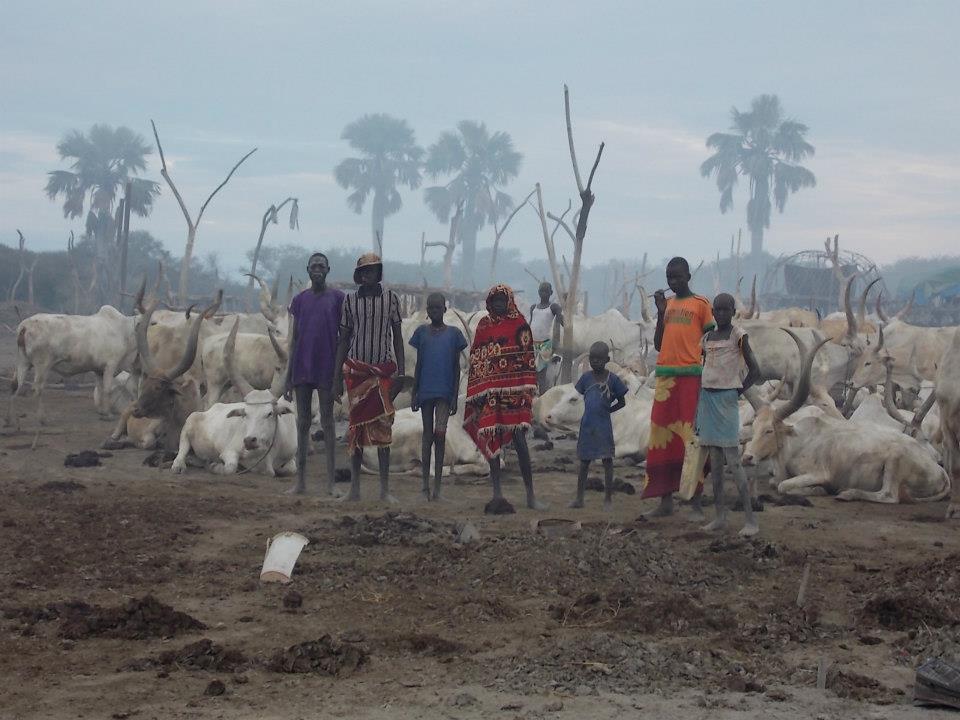
Cattle herders at a cattle camp in Rumbek, South Sudan, in a file photograph of the Lakes State capital's pastoralist heartland. (Wikimedia Commons, CC BY-SA 3.0)
The caretaker Ministry of Information initially reported about 71 killed, including four soldiers, in the October fighting in Rumbek — but the army, county officials and UNMISS have each given lower figures, and the final toll remains unverified.
RUMBEK — Intercommunal clashes in Rumbek, the capital of Lakes State, killed dozens of people and displaced hundreds of families, in violence whose full toll is still disputed weeks later — a dispute that itself tells the story of how hard South Sudan's deadliest local conflicts are to count, and to close. Reporting carried on 23–24 November returned to the Rumbek fighting as churches and communities in Lakes State continued to reckon with its aftermath.
The fighting erupted on 8 October in Nyangkot village, on the outskirts of Rumbek, and escalated the following morning, when armed youths from the Nyang and Pakam communities fought in residential neighbourhoods of the town. According to AFP, witnesses said a group of people from outside Rumbek tried to take control of the town and briefly succeeded, before joint forces brought the situation under control.
South Sudan's caretaker Ministry of Information, Communication Technology and Postal Services said in a statement on Friday, 9 October, that, according to initial security reports, approximately 71 people were reportedly killed, including four soldiers, and it cautioned that the exact number of fatalities had yet to be verified. That initial figure — 71 — is the one that travelled furthest, and it is reported here as what it was: a preliminary official count, explicitly unverified at the time it was issued.
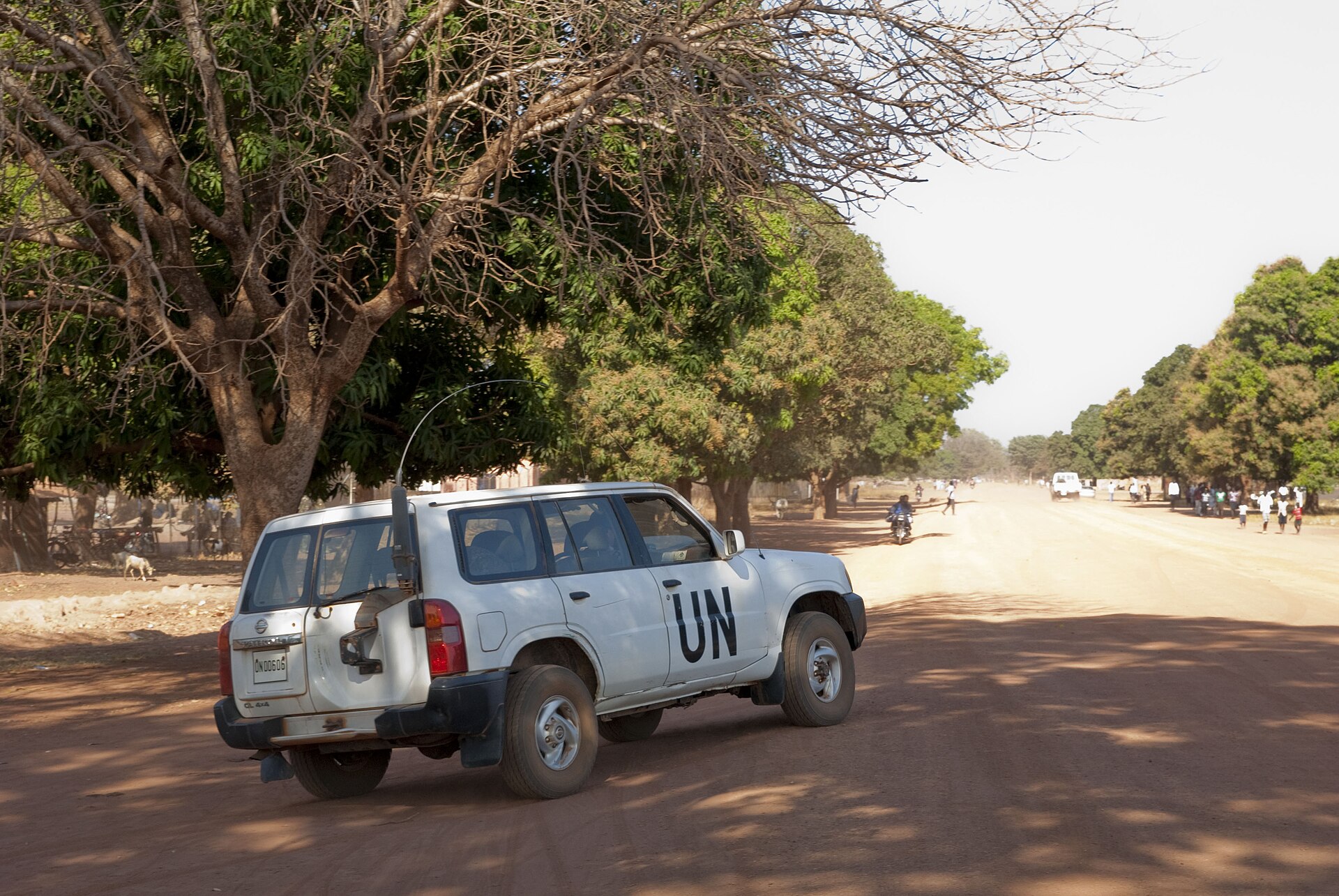
Subsequent assessments produced lower figures, and they do not align with each other. According to Radio Tamazuj, Rumbek Central County Executive Director Padhil Maker reported 46 deaths, including three women and a girl, and 65 injuries. Army spokesperson Maj. Gen. Lul Ruai Koang separately estimated that about 40 people had died, saying he had spoken to security forces and commanders on the ground. UNMISS reported on 13 October that state authorities had recorded 60 deaths and 78 injuries from the fighting on 8 and 9 October, and that approximately 500 families were temporarily displaced.
Juba Global News Network presents all four figures with their sources because none has been established as final. The gap between about 40 and about 71 is not a rounding difference; it is dozens of families whose loss is either counted or not counted depending on which official list is read. In conflicts fought across neighbourhoods and villages, with the dead buried quickly and the wounded scattered among facilities, an exact count can take months — and in some past South Sudanese clashes, a single agreed figure has never emerged at all.
The human aftermath has outlasted the counting. Churches in Lakes State have struggled to maintain worship services and to support displaced families following the clashes, according to reporting by Christian Daily International carried in November, with pastors saying some believers have stopped coming to services. The South Sudan Council of Churches had warned on 6 October — days before the fighting — about the tensions building in the area, a warning that now reads as one more entry in the long record of early signals that preceded, but did not prevent, communal violence.
Rumbek's clashes fit the pattern that drives so much of Lakes State's violence: longstanding disputes over cattle, grazing land and revenge killings, fought by armed youths in a state where firearms are widespread and where a killing in one community is answered in another. Breaking that cycle has repeatedly been promised through disarmament, peace conferences and compensation, and repeatedly defeated by the next incident. Until the final toll of October's fighting is verified and published, even the basic fact of how many people Rumbek lost remains contested — and for the families of Nyang and Pakam alike, an uncounted death is a grievance left open. (Source: Ministry of Information via AFP / Radio Tamazuj / UNMISS reports)
Source: Juba Global News Network, reporting Ministry of Information via AFP / Radio Tamazuj / UNMISS coverage.