Russian Delegation to Visit Juba in Early December as Scholarships Rise to 40
The Russian Embassy reported on 22 November that a delegation will visit Juba in early December to discuss bilateral cooperation — weeks after President Putin raised Russia's scholarship quota for South Sudanese students to 40 for 2026–27.
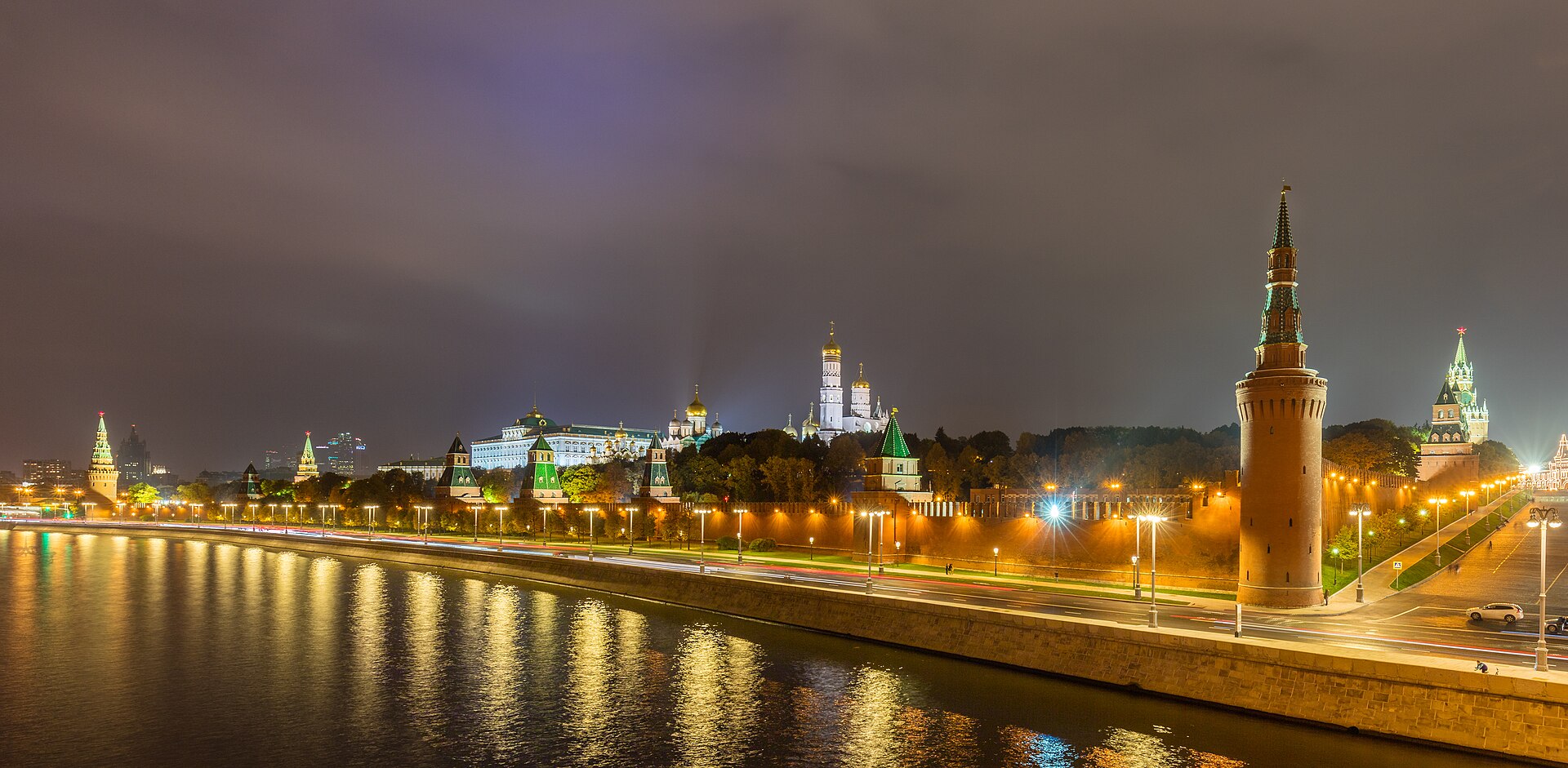
The Moscow Kremlin, in a file photograph of the seat of the Russian government whose delegation is due in Juba in early December. (Wikimedia Commons, CC BY-SA 4.0)
The Russian Embassy reported on 22 November that a delegation will visit Juba in early December to discuss bilateral cooperation — weeks after President Putin raised Russia's scholarship quota for South Sudanese students to 40 for 2026–27.
JUBA — A Russian delegation will visit Juba in early December to discuss bilateral cooperation, the Russian Embassy in South Sudan reported on 22 November, following a meeting involving Russian Ambassador Alexander Kosmodemyanskiy. The announcement, carried on the South Sudan newswire, is the latest step in a rapidly thickening relationship between Juba and Moscow — one that now spans diplomacy, energy, trade and education.
The visit follows President Salva Kiir's trip to Moscow in October 2026 for the third Russia-Africa Summit, where he met President Vladimir Putin at the Kremlin. During that meeting, Putin announced that Russia would increase to 40 the number of scholarships for South Sudanese students for the 2026–2027 academic year, a measure reported by Radio Tamazuj on 30 October. The Kremlin's own account of the meeting records the same figure: "For 2026/2027, we have raised the quota to 40 people."
Education is the most tangible benefit named so far. Forty scholarship places will not transform South Sudan's skills base on their own, but in a country where university places at home are under severe pressure and where specialist training — in medicine, engineering, energy and agriculture — is scarce, each funded place abroad represents a professional who may return with qualifications the domestic system cannot yet provide at scale. Russian officials have said the places focus on specialised technical disciplines.
The wider agenda, as described by both sides, is broad. The Kremlin account of the October meeting notes that 2026 marked the 15th anniversary of diplomatic relations, that Russia opened its embassy in Juba — with Ambassador Kosmodemyanskiy presenting his credentials in January — and that the two governments are exploring ways to strengthen trade and economic engagement, with potential that Putin acknowledged is "not yet fully realised." Cooperation in international affairs, including at the United Nations, was also highlighted, with both sides noting the close alignment of their positions on key issues.
Energy sits near the top of the practical list. Earlier bilateral engagements in Juba this year covered energy, mining, agriculture and education, and Russian officials have spoken of memoranda that would mark the start of Russian companies' operations in South Sudan, including refinery projects. South Sudan's oil sector — the source of the overwhelming majority of government revenue — has been battered by the war in Sudan, through which its crude reaches the sea, making every new energy partnership a matter of national economic survival as well as diplomacy.
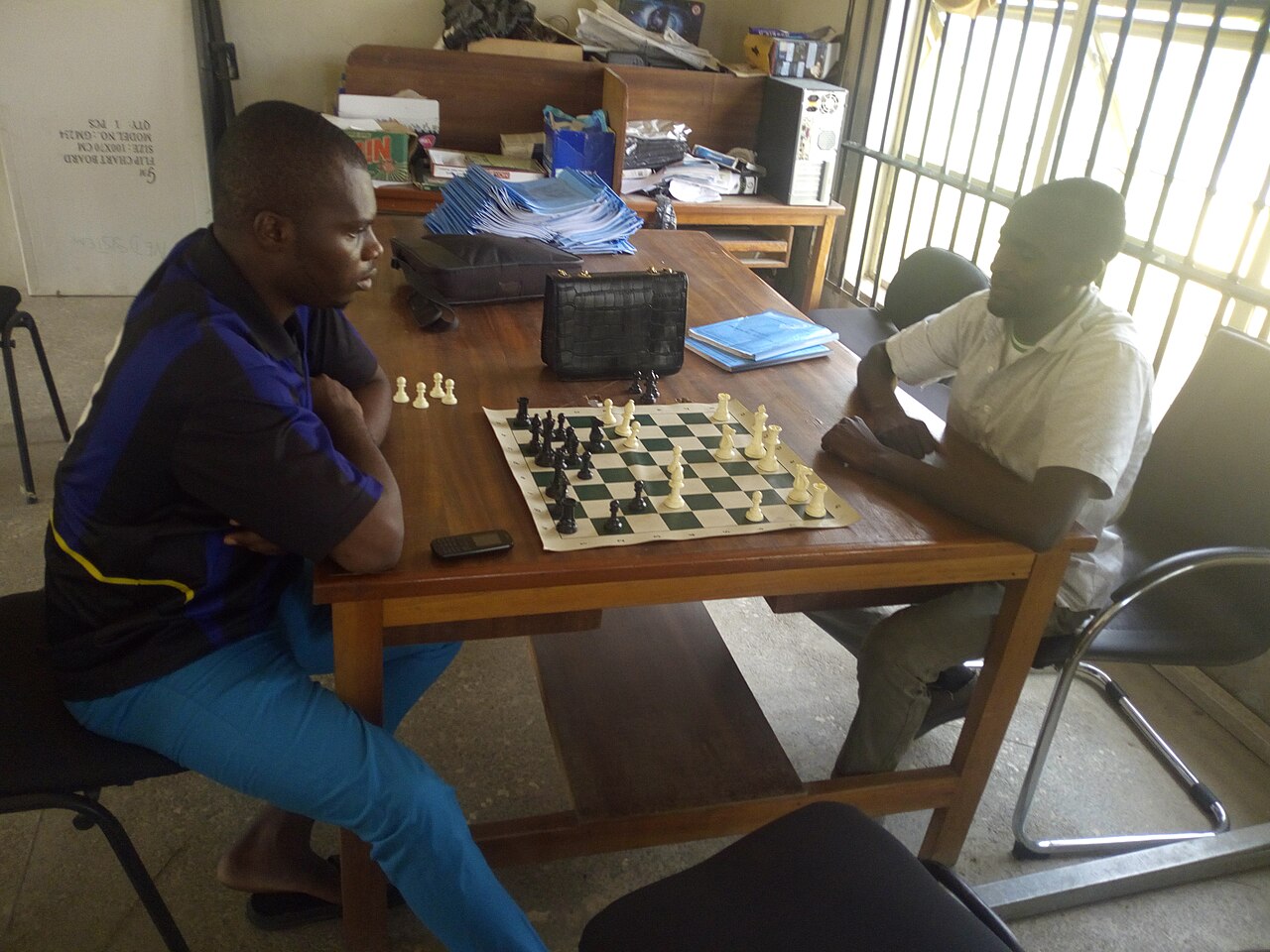
Diplomacy of this kind is also conducted in softer registers. Reporting from Juba on 23 November described South Sudan and Russia strengthening ties through chess and youth development, with the Russian ambassador pointing to education, trade, investment, energy and security as key sectors, and citing the October summit as the foundation. Such events are not decoration: they are how a new embassy builds the public familiarity on which larger agreements depend.
What the early-December delegation actually signs — if anything — will be the test of the relationship's substance. Announcements of visits and scholarship quotas are the currency of summit diplomacy everywhere; memoranda, funded projects and students actually departing for Russian universities are harder evidence. For now, the direction of travel is clear and publicly stated by both governments: Juba is diversifying its partnerships, Moscow is building its presence in a young African state, and forty South Sudanese students are the most concrete beneficiaries named so far. (Source: Russian Embassy via EIN News / Kremlin)
Source: Juba Global News Network, reporting Russian Embassy via EIN News coverage.