EU Proposes 22nd Sanctions Package Against Russia, Targeting 60 Banks and Crypto Networks
European Commission President Ursula von der Leyen presented the package on Monday, extending the transaction ban to some 60 Russian banks, launching a Crypto Sanctions Task Force, and proposing a visa ban on Russian ex-combatants and a bar...
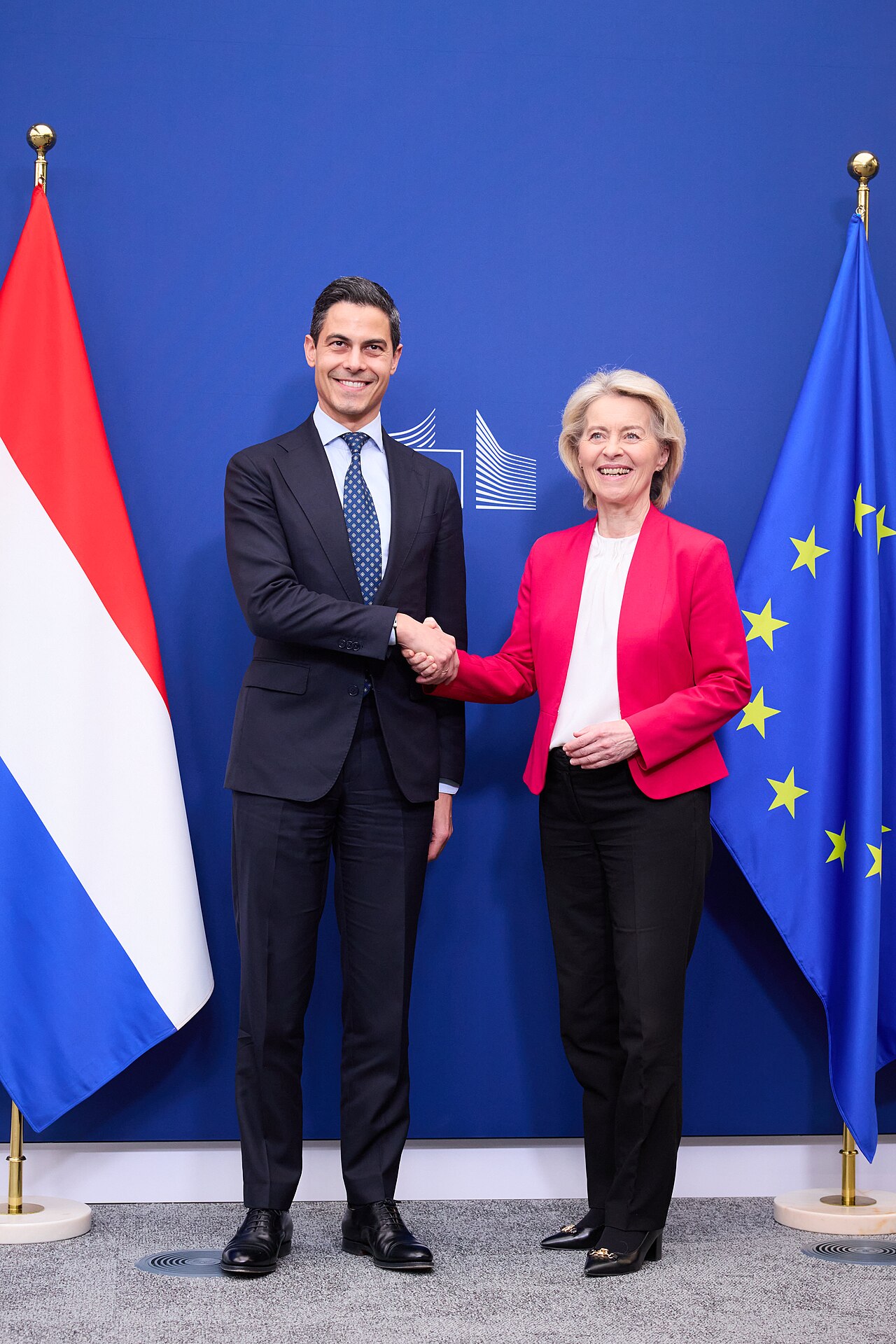
European Commission President Ursula von der Leyen, who on Monday presented the EU's proposed 22nd sanctions package against Russia. (Wikimedia Commons, CC BY 4.0)
European Commission President Ursula von der Leyen presented the package on Monday, extending the transaction ban to some 60 Russian banks, launching a Crypto Sanctions Task Force, and proposing a visa ban on Russian ex-combatants and a bar on Russian teams and athletes at European events.
The European Commission on Monday, November 23, proposed its 22nd package of sanctions against Russia, targeting financial institutions and crypto platforms as the European Union seeks to keep pressure on Moscow to end its war of aggression in Ukraine. Commission President Ursula von der Leyen presented the package in a video address and a published statement, saying the bloc would continue to propose new sanctions until Russia showed genuine intent for a lasting peace.
The financial measures sit at the centre of the proposal. The Commission intends to extend the EU transaction ban to some 60 Russian banks, all of which would be removed from the SWIFT international messaging system. Von der Leyen said the package was 'striking harder at Russia's ways to finance its war by targeting its banks and crypto platforms,' and described the banking measures as a significant escalation on recent rounds, which had added banks in smaller batches.
Crypto is the package's second financial front. 'We are cracking down on the crypto and payment networks,' von der Leyen said. 'We will focus on Russia but also include third countries that help Russia to evade our sanctions.' To support that work, the Commission has launched a Crypto Sanctions Task Force, intended to align enforcement efforts with international partners. The statement did not name individual crypto platforms or third countries, details that would come in the legal annexes if member states adopt the package.
Beyond finance, the proposal widens Russia's isolation. The Commission proposes shutting the door to Russian participation in European sports and cultural events, so that Russian teams and athletes could not compete under the Russian flag at events in the EU. It also proposes a way to implement a travel visa ban on Russian ex-combatants, an idea agreed in principle in the previous package pending a feasibility study, and tighter visa rules more generally.
Energy and enforcement measures complete the package. The Commission proposes expanding the ban on energy services so that no European company can help Russia build, operate or repair its energy infrastructure, including oil refineries, and extending measures to electricity companies. More than 70 additional vessels from Russia's shadow fleet — the ageing tankers Moscow uses to move oil outside Western price controls — would be blacklisted, tankers insured in Russia would be banned, and European citizens would be prohibited from occupying posts in companies in Russia.
The package remains a proposal. EU sanctions require the unanimous approval of all 27 member states, and the legal texts can change in negotiation before adoption. The Commission presented the measures in three parts — hitting war financing harder, further isolating Russia, and doubling down on enforcement — but how much of the package survives the Council's deliberations, and how quickly, will be decided by governments that have not always moved at the same speed on Russia measures.
For Ukraine, the significance of a 22nd package is cumulative: each round narrows the channels through which Russia earns, moves and spends money for its war. For European businesses and banks, the widening transaction ban and the new attention to crypto and third-country evasion raise the compliance stakes again. And for Moscow, the message Brussels intends is that the pressure will keep ratcheting for as long as the war continues — in von der Leyen's words, new packages will keep coming until Russia shows genuine intent for peace.
Source: Juba Global News Network, reporting Reuters / European Commission coverage.