UNMISS Deploys Patrol to Tonj East and Urges Calm After Bol Bol Cattle Camp Attack
The UN mission says it is engaging intensively with state, county and local authorities to de-escalate tensions after the 21 November assault on the Bol-Bol camp, which it says left a heavy death toll, many injuries and families displaced.
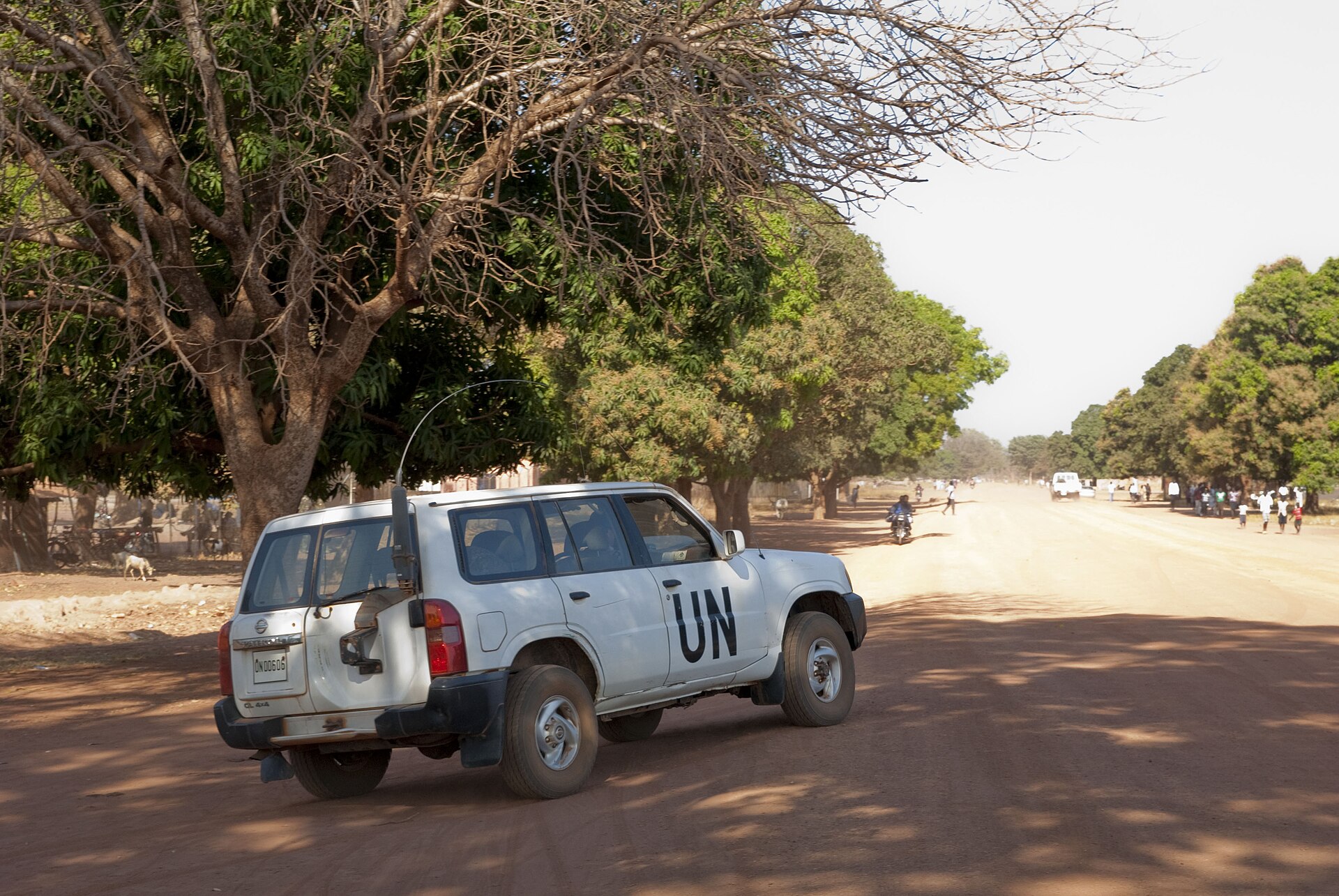
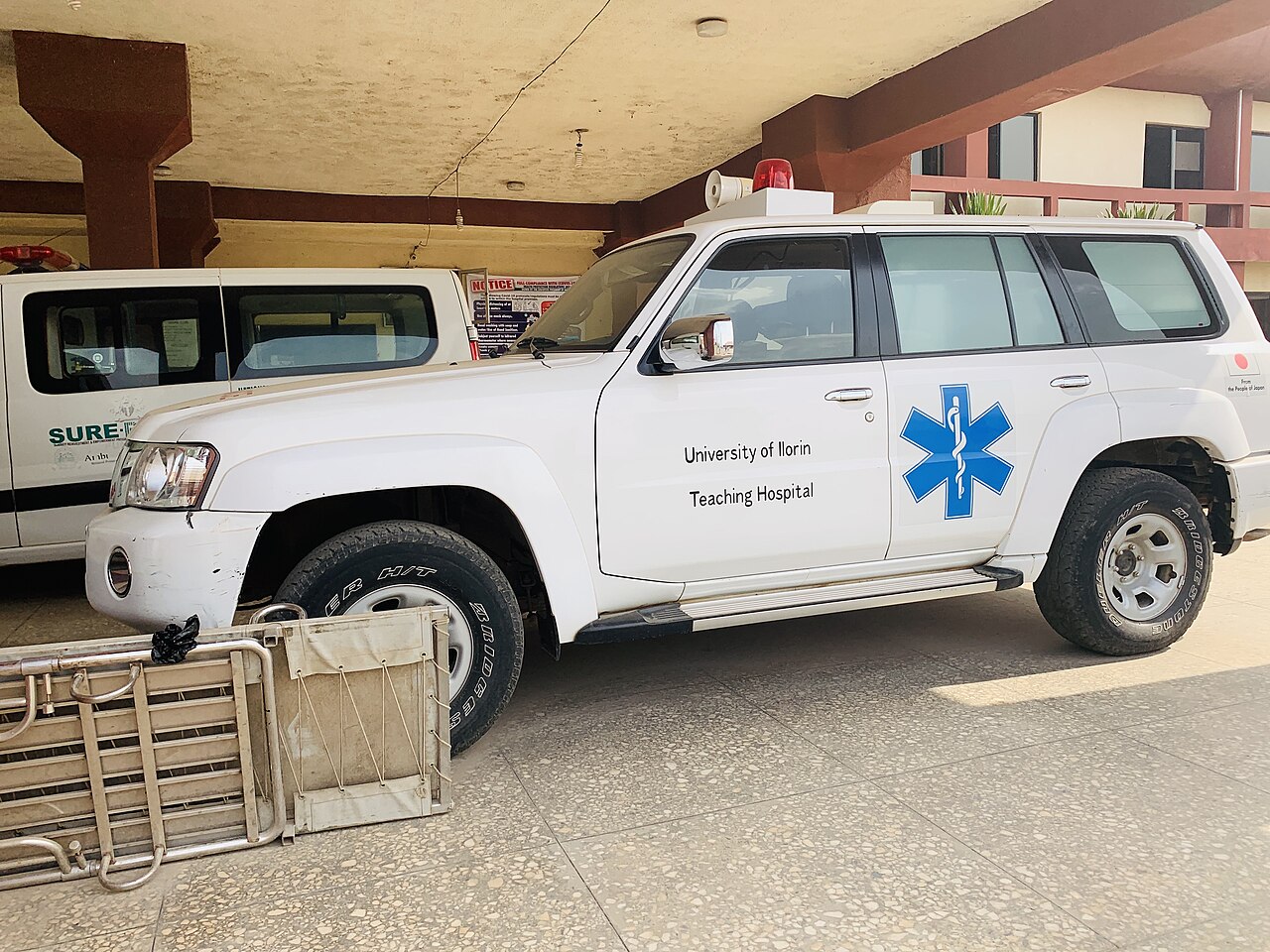
A UNMISS vehicle in South Sudan, in a file photograph of the UN mission that has deployed a patrol to Tonj East. (Wikimedia Commons, CC BY-SA 4.0)
The UN mission says it is engaging intensively with state, county and local authorities to de-escalate tensions after the 21 November assault on the Bol-Bol camp, which it says left a heavy death toll, many injuries and families displaced.
JUBA — The United Nations Mission in South Sudan (UNMISS) is engaging intensively with state, county and local authorities to help de-escalate tensions and prevent further violence in Tonj East, Warrap State, following an armed attack on a cattle camp and subsequent clashes over the weekend, the mission said in a press release published on 23 November and carried by ReliefWeb on 24 November. The mission has also deployed a peacekeeping patrol, which is en route to the affected area.
While casualty figures are yet to be verified, UNMISS said it is understood that there was a heavy death toll and many injuries during the violent assault on the Bol-Bol cattle camp on 21 November 2026. Families were also forced to flee their homes during the violence, leaving large numbers of people displaced. The mission's careful wording — noting that figures remain unverified — reflects the conflicting official counts reported in the days after the attack, in which Warrap State's information ministry put the toll at 21 killed and 18 wounded, while the county caretaker commissioner later told AFP that 24 civilians, including seven children, had been killed.
After the initial incident, UNMISS said, clashes reportedly continued in border areas between Tonj East County in Warrap State and Mayendit County in Unity State. That cross-border dimension is central to the crisis: Warrap officials blamed the raid on armed elements from neighbouring Unity State, an allegation reported by Eye Radio and AFP, while responsibility has not been independently established and no response from those accused was included in the reporting available at publication.
The mission condemned what it called an abhorrent attack on civilians and expressed its deepest condolences to the victims and their families. UNMISS urged authorities to strengthen security in the area to prevent retaliatory attacks, to hold the perpetrators to account, and to work closely with communities to reduce tensions, resolve grievances and restore calm. The sequence in that appeal — protection first, accountability second, and community work throughout — reflects the pattern responders fear most in Warrap: a raid followed by revenge, in a cycle that has repeatedly outrun official responses.
Cattle camps are the economic and social heart of pastoralist life across Warrap. Herds represent savings, bride wealth, food security and status, and camps gather young herders far from towns and police posts, often in places where help is hours away. That concentration of people and wealth has repeatedly made camps a target, and a single night attack can strip families of their livelihood as well as their loved ones. The Bol Bol attack began at about 10 p.m., according to officials, a timing that left the camp at its most exposed.
For the families displaced by the violence, the immediate needs are shelter, food, care for the wounded and news of missing relatives — alongside the harder question of whether it is safe to return. Displacement in cattle country carries a particular cost, because families who flee must decide what to do with the herds on which their survival depends, and because grazing, water and camp sites left empty can themselves become points of dispute when people come back.
UNMISS's patrol, now en route, will be watched closely in Tonj East. Peacekeeping patrols cannot police every camp in Warrap's vast grazing lands, but a visible presence in the days after an attack can deter the retaliation that so often follows, create space for chiefs and officials from both states to meet, and allow humanitarian workers to reach displaced families. Whether that space is used — for disarmament, compensation, the return of raided cattle and a credible investigation — will decide whether Bol Bol becomes one more entry in Warrap's long ledger of raids, or the point at which this cycle was interrupted. (Source: UNMISS / ReliefWeb)
Source: Juba Global News Network, reporting UNMISS / ReliefWeb coverage.