Angola, Botswana, Namibia and Oman Line Up in De Beers Ownership Shift as Producing Countries Seek Bigger Stakes
Angola plans to pay about $180 million for a 10% stake in De Beers and Botswana seeks to double its stake to 30%, with Namibia and Oman joining a proposed reshaping of Anglo American's 85% holding in the diamond company.
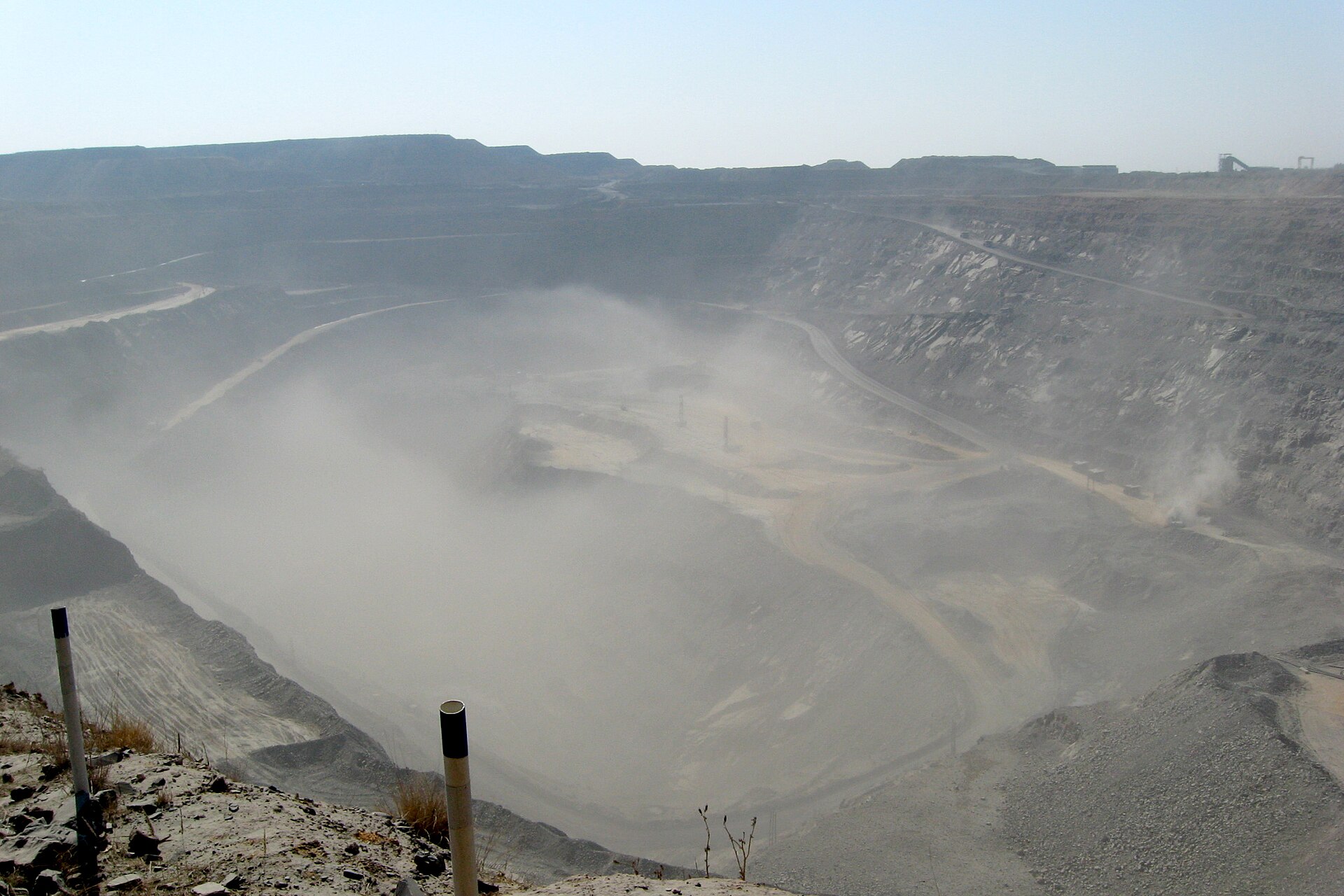
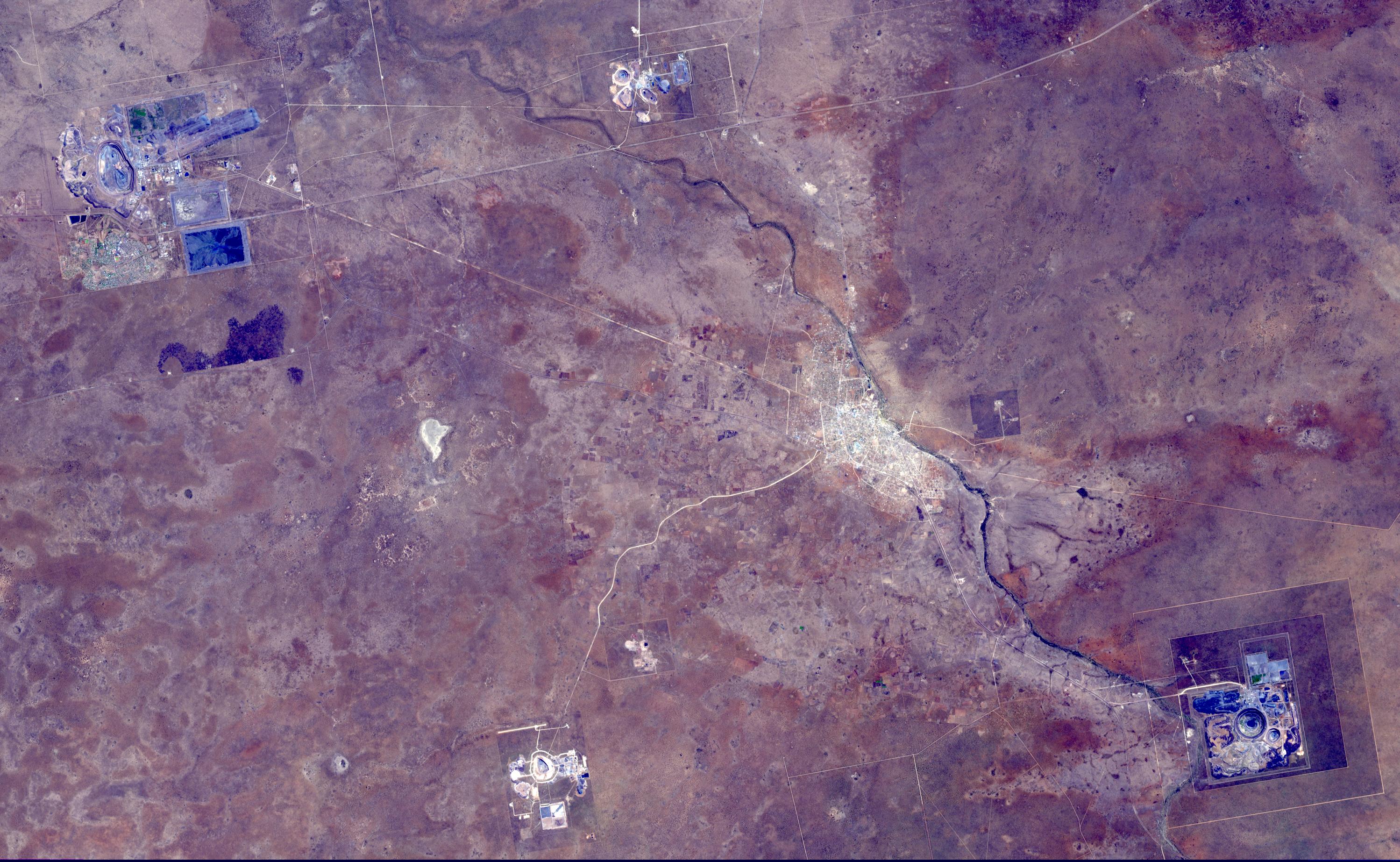
The open pit of the Jwaneng diamond mine in Botswana, one of the great De Beers mines in the country seeking to double its stake to 30%. (Wikimedia Commons, Public domain)
Angola plans to pay about $180 million for a 10% stake in De Beers and Botswana seeks to double its stake to 30%, with Namibia and Oman joining a proposed reshaping of Anglo American's 85% holding in the diamond company.
GABORONE — The future ownership of De Beers, the world's best-known diamond company, is being reshaped by the countries that produce its stones. Angola plans to pay about $180 million for a 10% stake in De Beers, while Botswana seeks to double its stake to 30%. Namibia and Oman are also joining the proposed ownership shift, which centres on Anglo American's 85% holding in the company. Together, the moves amount to a concerted push by diamond-producing states — and a Gulf investor — to own a larger share of the business built on their resources.
Angola's planned $180 million payment for 10% of De Beers would give one of Africa's major diamond producers a direct seat at the table of the company that has historically marketed much of the world's rough diamond supply. For Angola, a stake converts a producing relationship into an ownership one: instead of simply selling rough diamonds into a system others control, the country would share in the ownership of the system itself, with the influence and the returns that a shareholding carries.
Botswana's ambition is larger still. Already a central figure in De Beers' world — the company's great mines, including Jwaneng and Orapa, are in Botswana — the country seeks to double its stake to 30%. Such an increase would make Botswana by far the most influential producing-country shareholder and deepen a partnership that has defined both the company and the country's economy for decades. Diamond revenues have underwritten Botswana's development to an unusual degree, and a 30% stake would tighten the link between the nation's fortunes and the company's performance.
Namibia's participation extends the pattern along the Atlantic coast, where the country produces diamonds both on land and from the sea. Oman's involvement adds a different dimension: a non-producing investor from the Gulf joining a restructuring otherwise driven by African producer states. The combination — Angola, Botswana and Namibia as producers, Oman as an outside partner — suggests a consortium approach to absorbing Anglo American's 85% holding, spreading a very large acquisition among several buyers rather than leaving it to one.
The holding at the centre of the talks, Anglo American's 85%, represents control of De Beers. Its redistribution would end an era in which a single mining group has dominated the diamond company's ownership, and replace it with a structure in which the governments of the countries where the diamonds are mined hold far more of the equity. That shift reflects a broader movement across Africa's mining sector, in which producing countries are pressing for greater ownership, greater local benefit and a stronger voice in how their resources are developed and sold.
None of the elements reported — Angola's roughly $180 million for 10%, Botswana's doubling to 30%, or the roles of Namibia and Oman — amounts yet to a completed transaction, and the final shape of De Beers' ownership will depend on how the proposed shift is negotiated and financed. But the direction is unmistakable. The countries that dig the diamonds want to own the company that sells them, and the proposed redistribution of Anglo American's 85% holding would be one of the most significant changes in the diamond industry's structure in a generation.
(Source: Business Insider Africa)
Source: Juba Global News Network, reporting Business Insider Africa coverage.