South African Women Give Government 30 Days to Act on Gender Violence, a Year After It Was Declared a National Disaster
South African women have given the government 30 days to act on gender-based violence, one year after the crisis was declared a national disaster — against police figures recording 581 women murdered in just three months.
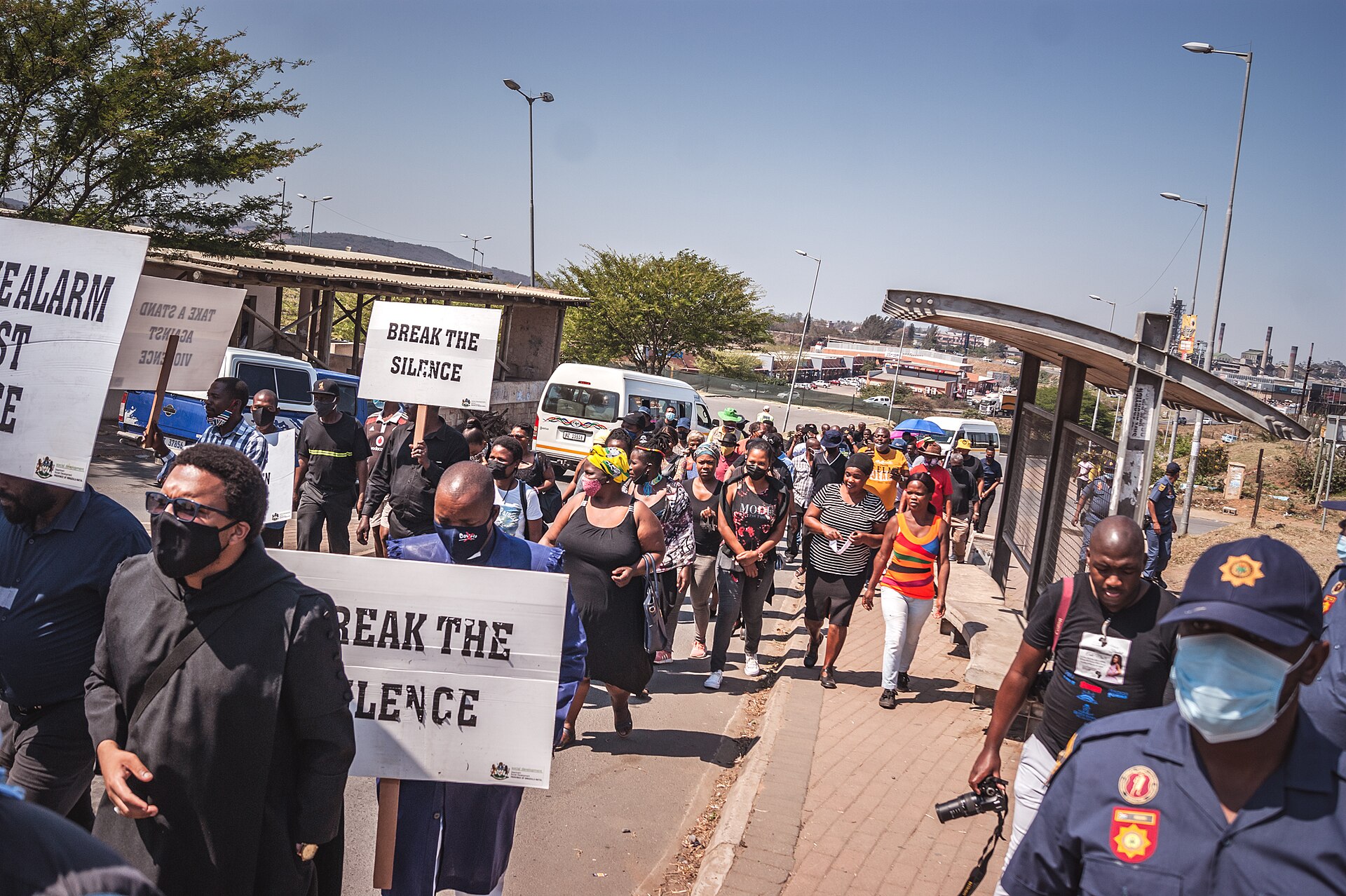
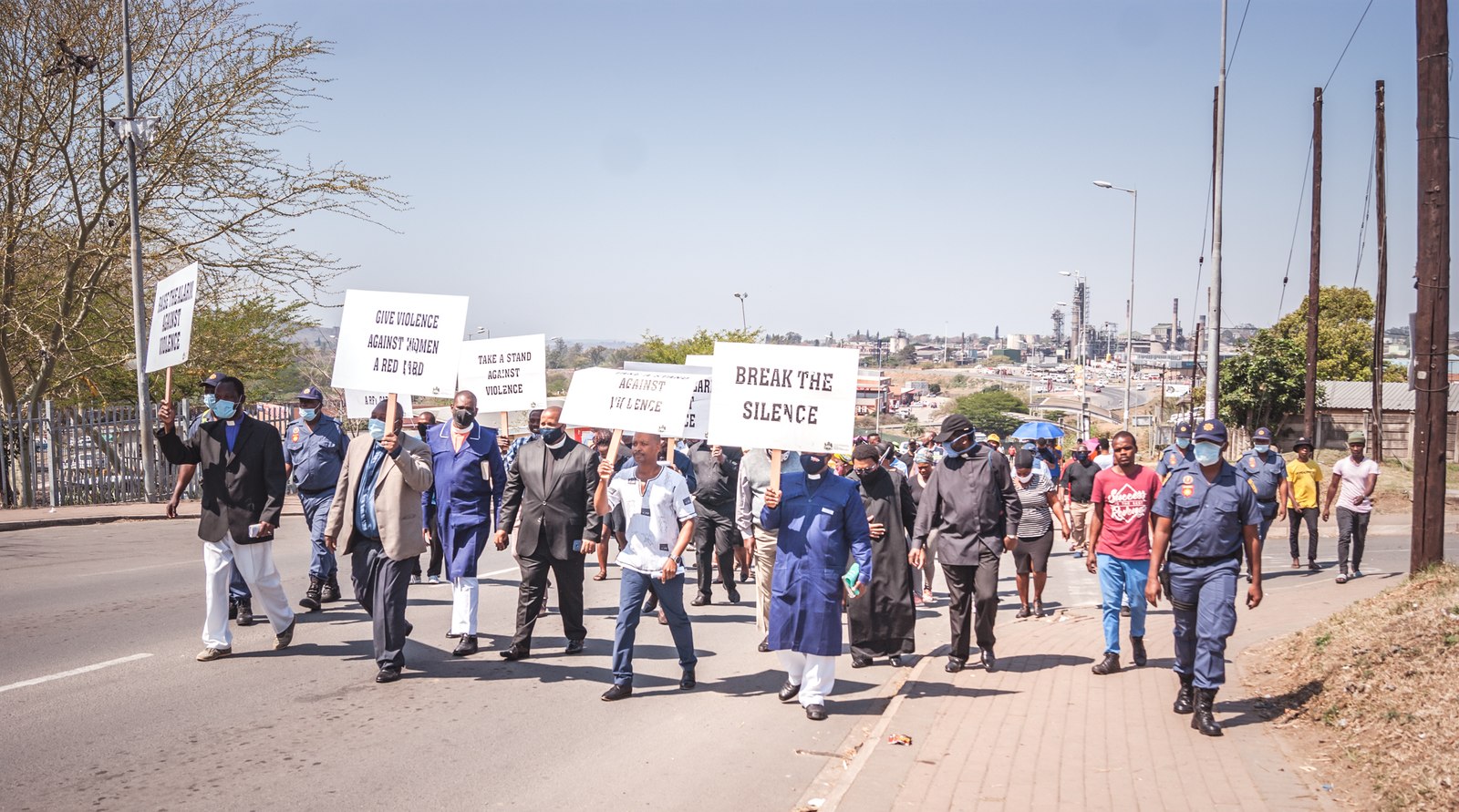
A gender-based violence march at Mandeni in South Africa, of the kind mounted by women demanding action on violence against women. (Wikimedia Commons, CC BY-SA 4.0)
South African women have given the government 30 days to act on gender-based violence, one year after the crisis was declared a national disaster — against police figures recording 581 women murdered in just three months.
PRETORIA — South African women have given the government 30 days to act on gender-based violence, one year after the crisis was declared a national disaster. The deadline is a measure of frustration: a declaration that was meant to signal the highest level of national urgency has been followed, in the view of the women now speaking out, by too little change. Behind their demand stands a stark police figure — 581 women murdered in three months — that captures the scale of the killing they are asking the state to stop.
Five hundred and eighty-one women murdered in a single three-month period is a number that resists comprehension until it is broken down: it means that, on average, more than six women were murdered every day in that period. Each of those deaths is a family destroyed and a community traumatised, and together they describe a level of violence against women that South Africa's declaration of a national disaster was supposed to confront. The women's 30-day ultimatum is built on the gap between that declaration and that death toll.
Declaring gender violence a national disaster, as happened a year ago, carries a promise: that the machinery of the state will be directed at the crisis with the seriousness reserved for floods, droughts and other catastrophes. The women giving the government 30 days are in effect asking where that machinery is — what has changed in policing, in protection for women at risk, in the handling of cases, and in the safety women feel in their homes and streets since the declaration was made.
The demand for action within a deadline also reflects how long South African women have organised against this violence. Protests, marches and campaigns against gender-based violence have been a recurring feature of the country's public life, driven by murders and attacks that repeatedly shock the nation and then recede from attention. By setting 30 days, the women are refusing that cycle: they are putting a date on accountability and insisting that the government's response be measured against it, publicly.
What action within 30 days would satisfy the demand is the question now before the government. Campaigners against gender violence typically look for visible, practical steps: resources committed, officials held responsible for delivery, and measures whose effects can be checked rather than announced. With 581 murders of women recorded by police in three months, the standard against which any response will be judged is unforgiving — whether women are safer, and whether the killing slows, in the months that follow the deadline.
A year after gender violence was declared a national disaster, South Africa's women have delivered their verdict on the pace of change and set the clock running: 30 days for the government to act. The police figure of 581 women murdered in three months will hang over every day of that month. When the deadline expires, the country will learn whether the declaration of disaster is finally matched by the urgency the women are demanding — or whether, as they clearly fear, the words will again outrun the deeds.
(Source: Today News Africa)
Source: Juba Global News Network, reporting Today News Africa coverage.