UN and US Condemn Khartoum Drone Strikes That Killed Four and Damaged UN Premises, as Sudan Renews Ethiopia Launch Allegation
Drone attacks early on 22 November killed at least four people in and around Khartoum, damaged a civilian neighbourhood and UN premises while staff were inside, and drew condemnation from the UN and the United States — as Sudanese military...

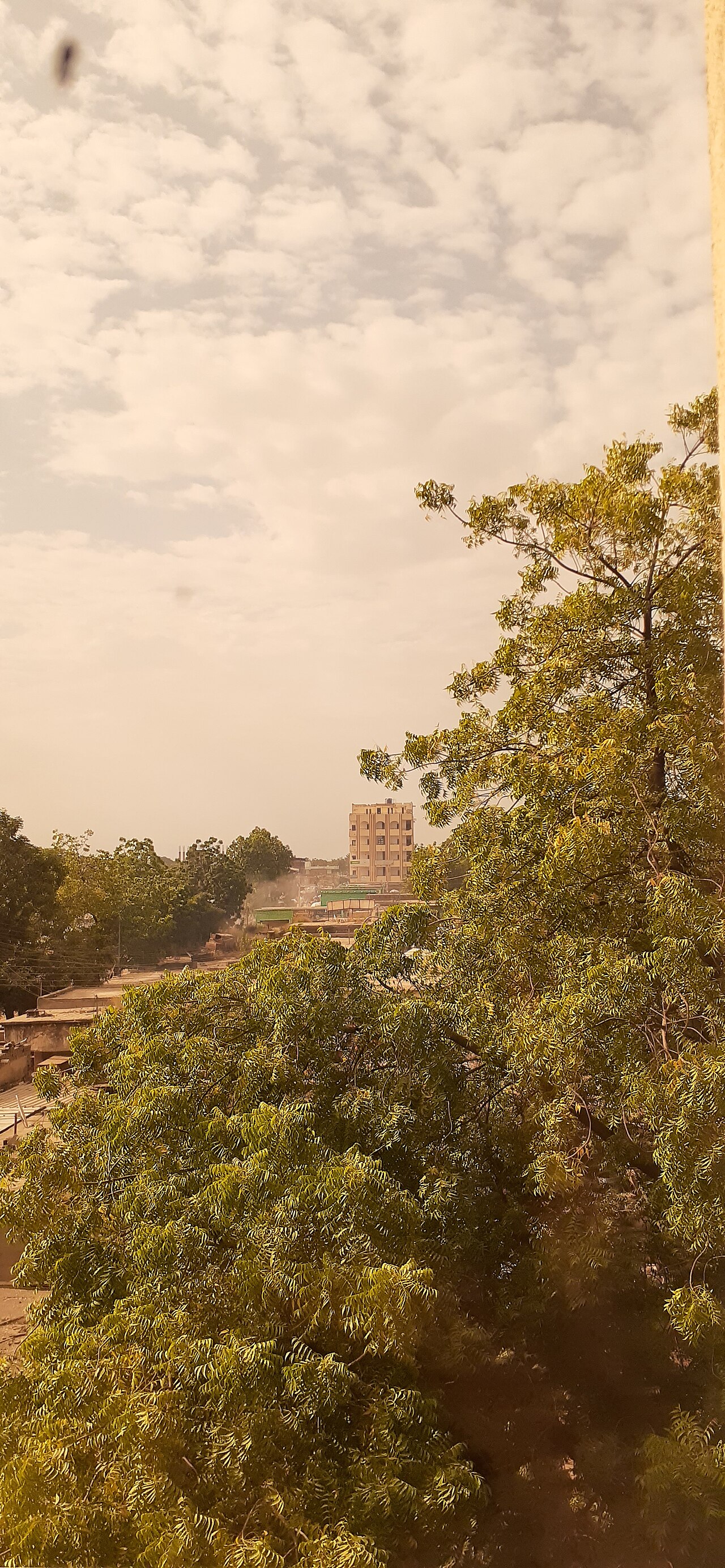
The Khartoum skyline over the Nile, in the capital where drone strikes on 22 November damaged a civilian neighbourhood and UN premises. (Wikimedia Commons, CC BY-SA 4.0)
Drone attacks early on 22 November killed at least four people in and around Khartoum, damaged a civilian neighbourhood and UN premises while staff were inside, and drew condemnation from the UN and the United States — as Sudanese military sources alleged the drones were launched from Bahir Dar in Ethiopia, a claim not independently verified and previously denied by Ethiopia.
KHARTOUM — The United Nations and the United States have condemned drone attacks in Sudan's capital, Khartoum, early on Sunday 22 November, which damaged a civilian neighbourhood and UN premises and killed at least four people. Addis Standard reported that US Senior Advisor for Arab and African Affairs Massad Boulos amplified a statement by the UN Office for the Coordination of Humanitarian Affairs (OCHA) in Sudan on 23 November, warning that civilians and humanitarian workers continue to bear the brunt of a conflict now in its fourth year.
"Drone attacks, reportedly launched by the RSF, in Khartoum today resulted in major damage to a civilian neighbourhood and to UN premises, yet again compromising the safety of civilians and humanitarian personnel," Boulos said, echoing remarks by UN Resident and Humanitarian Coordinator Denise Brown. Brown said the attacks, which occurred early on 22 November, further endangered civilians and humanitarian personnel, and that the use of foreign-supplied drones had become a recurring feature of the conflict.
According to Sudan Tribune reporting carried by Addis Standard, at least four people were killed in the attacks across Khartoum, including a 10-year-old child in Jebel Aulia, south of the capital, and several others were wounded. Witnesses told the outlet that Sudanese air defences intercepted a swarm of drones in the early hours of Sunday, which appeared to be targeting Khartoum International Airport and a military facility in Omdurman. The strikes damaged residential property and UN premises while personnel were inside, in what was reported as the first attack on a UN compound in Khartoum since the Sudanese army recaptured the capital in May 2025.
The UN statement attributed the attacks to the Rapid Support Forces, saying they were "reportedly launched by the RSF." That attribution sits at the centre of the war's contested information battle, in which the army and the RSF routinely accuse each other of attacks on civilians. What is not contested in the UN account is the damage itself: a civilian neighbourhood hit, a UN premises damaged with staff inside, and a death toll that includes a child — a pattern OCHA and the UN coordinator say is endangering the humanitarian operation on which millions of Sudanese depend.
Alongside the condemnation, Sudan renewed a far-reaching allegation about where the drones came from. Sudanese military sources told local and international media that the drones originated from Ethiopia, specifically from Bahir Dar airport. The allegations have not been independently verified, and Ethiopia has previously denied claims that its territory is being used to facilitate RSF military operations. An army source made the same Bahir Dar claim to AFP. The distinction matters: the launch allegation is a Sudanese military claim, not a verified finding, and Ethiopia's previous denials remain part of the record.
The renewed allegation rests on an earlier Sudanese dossier. In early November, Sudan's army-aligned Transitional Sovereignty Council said it had documented 70 drone attacks involving 187 one-way attack drones launched from Ethiopian territory between mid-February and late October 2026, identifying alleged launch locations including Asosa airport in Benishangul-Gumuz, the Kurmuk-Gizen border area and Bahir Dar air base in the Amhara region. The report put the alleged attacks' toll at 484 civilian casualties and 176 Sudanese soldiers killed, with about 200 others wounded — figures presented by the Sudanese side and not independently verified in the reporting.
For Khartoum's residents, the diplomatic argument overlays a simpler reality: drones again fell on a civilian neighbourhood, four people are dead including a 10-year-old child, and the UN premises meant to coordinate relief was itself damaged while its staff sheltered inside. The condemnations from the UN and the United States, and the calls they carry for civilians and humanitarian personnel to be protected, will be judged against whether the capital's skies grow quieter — and whether the unverified Ethiopia allegation is ever tested by an independent investigation that both neighbours accept.
(Source: AFP / UN OCHA via Addis Standard)
Source: Juba Global News Network, reporting AFP / UN OCHA via Addis Standard coverage.