Côte d'Ivoire Considers Raising Mining Royalty to 9.5% in Mining Code Overhaul Headed for Parliament
Côte d'Ivoire is considering raising the royalty paid by mining companies to 9.5% of mineral revenue from 6%, and the local development levy to 3% from 0.5%, under a mining code overhaul adopted by cabinet and now heading before parliament.
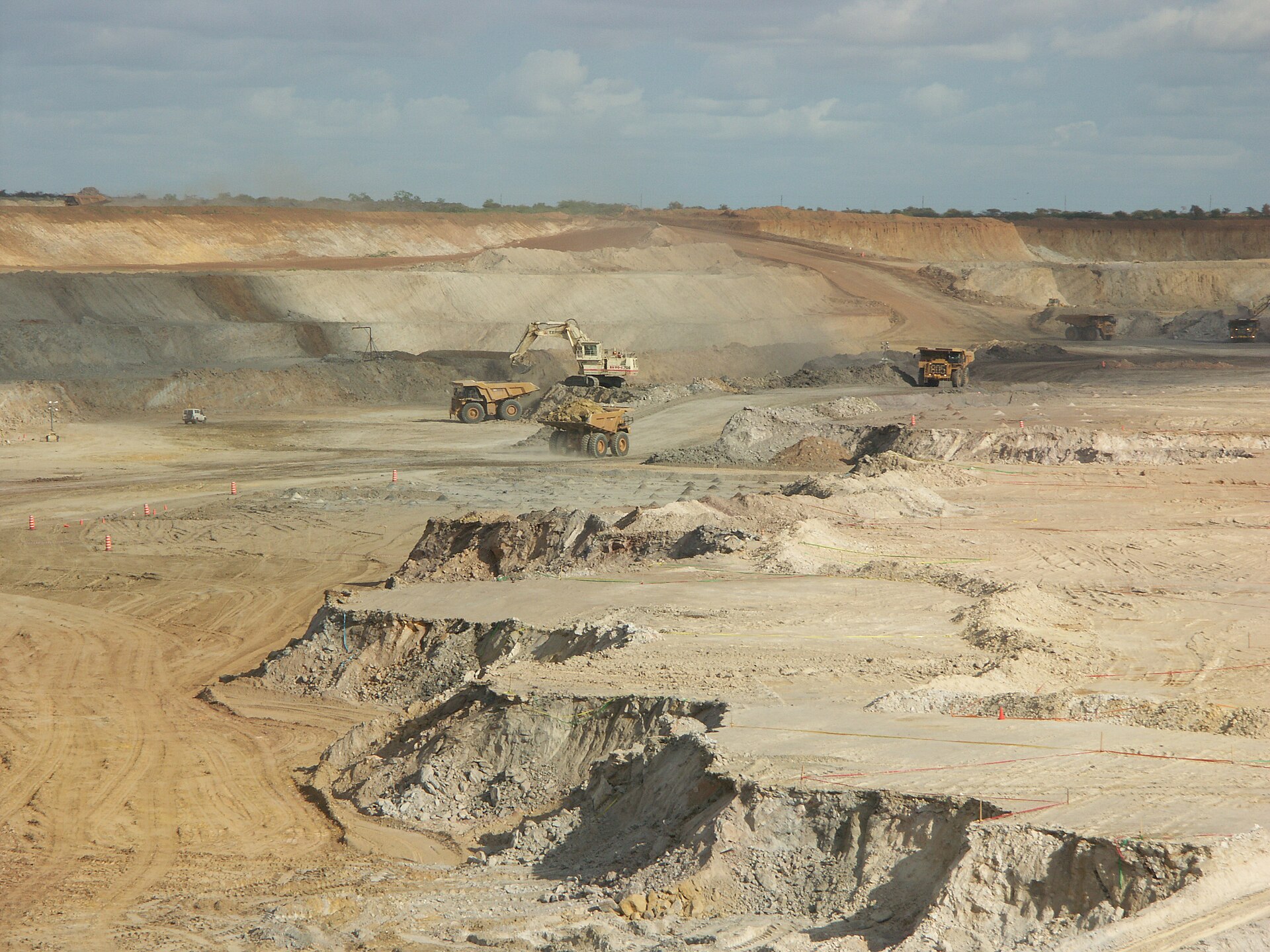
The open pit of the Essakane gold mine in Burkina Faso, West Africa, illustrating the gold mining sector whose royalties Côte d'Ivoire proposes to raise. (Wikimedia Commons, CC BY-SA 3.0)
Côte d'Ivoire is considering raising the royalty paid by mining companies to 9.5% of mineral revenue from 6%, and the local development levy to 3% from 0.5%, under a mining code overhaul adopted by cabinet and now heading before parliament.
ABIDJAN — Côte d'Ivoire is considering a sharp increase in what mining companies pay the state, under a mining code overhaul adopted by cabinet and now set to go before parliament. The royalty paid by mining companies would rise to 9.5% of mineral revenue, up from 6%, while the local development levy would increase to 3%, up from 0.5%. The government is seeking to strengthen public revenues from a mining sector whose output — above all gold — has grown into a major part of the Ivorian economy.
The royalty change is the headline figure. Moving from 6% to 9.5% of mineral revenue is an increase of more than half in the state's basic take from every unit of production, before any other taxes are counted. Because a royalty is charged on revenue rather than profit, it delivers income to the treasury whenever minerals are produced and sold, regardless of a company's costs or profitability in a given year. For a government seeking to strengthen public revenues, that reliability is the point: the state shares in the value of what is taken from its soil from the first sale.
The local development levy tells a parallel story about who should benefit from mining. Raising it from 0.5% to 3% — a sixfold increase — would direct substantially more money to the communities where mines operate. Mining regions often bear the disruption of extraction while feeling they see too little of its wealth; a larger development levy is designed to convert production into visible local benefit, funding the services and infrastructure that mining areas argue they are owed. If enacted at 3%, the levy would make community benefit a materially larger part of the cost of mining in Côte d'Ivoire.
The overhaul has been adopted by cabinet, which puts the government's weight behind it, but it must still go before parliament. That legislative stage matters: members will debate the balance the new code strikes between attracting and keeping mining investment and capturing more value for the state and its citizens. Mining companies, whose projects are planned over years and priced on the fiscal terms they expect, will follow the debate closely — the difference between a 6% and a 9.5% royalty, and between a 0.5% and a 3% levy, is large enough to feature in investment calculations.
Côte d'Ivoire's move fits a wider pattern across West Africa and beyond, in which governments are revisiting mining codes written when their sectors were smaller and their bargaining positions weaker. As production and prices have grown, so has the political demand that resource wealth translate into public revenue and local development. The Ivorian proposal — higher royalty, much higher development levy, advanced through cabinet toward parliament — is a clear statement of that approach from one of the region's most important emerging mining jurisdictions.
What parliament does with the overhaul will decide whether the figures become law: a royalty of 9.5% of mineral revenue in place of 6%, and a local development levy of 3% in place of 0.5%. Either way, the direction set by cabinet is already significant. Côte d'Ivoire has told its mining industry that the terms of extraction are changing, and that the state and the communities around its mines intend to claim a larger share of the wealth the industry produces.
(Source: Business Insider Africa)
Source: Juba Global News Network, reporting Business Insider Africa coverage.