Russian Missile Comes Down in Poland as Trump, Putin and Xi Leave Shenzhen With a Declaration but No Peace Plan
Warsaw called the missile and drone incursions into Poland a likely provocation, while a night of heavy Russian strikes on Ukraine overshadowed the three leaders' summit in China.
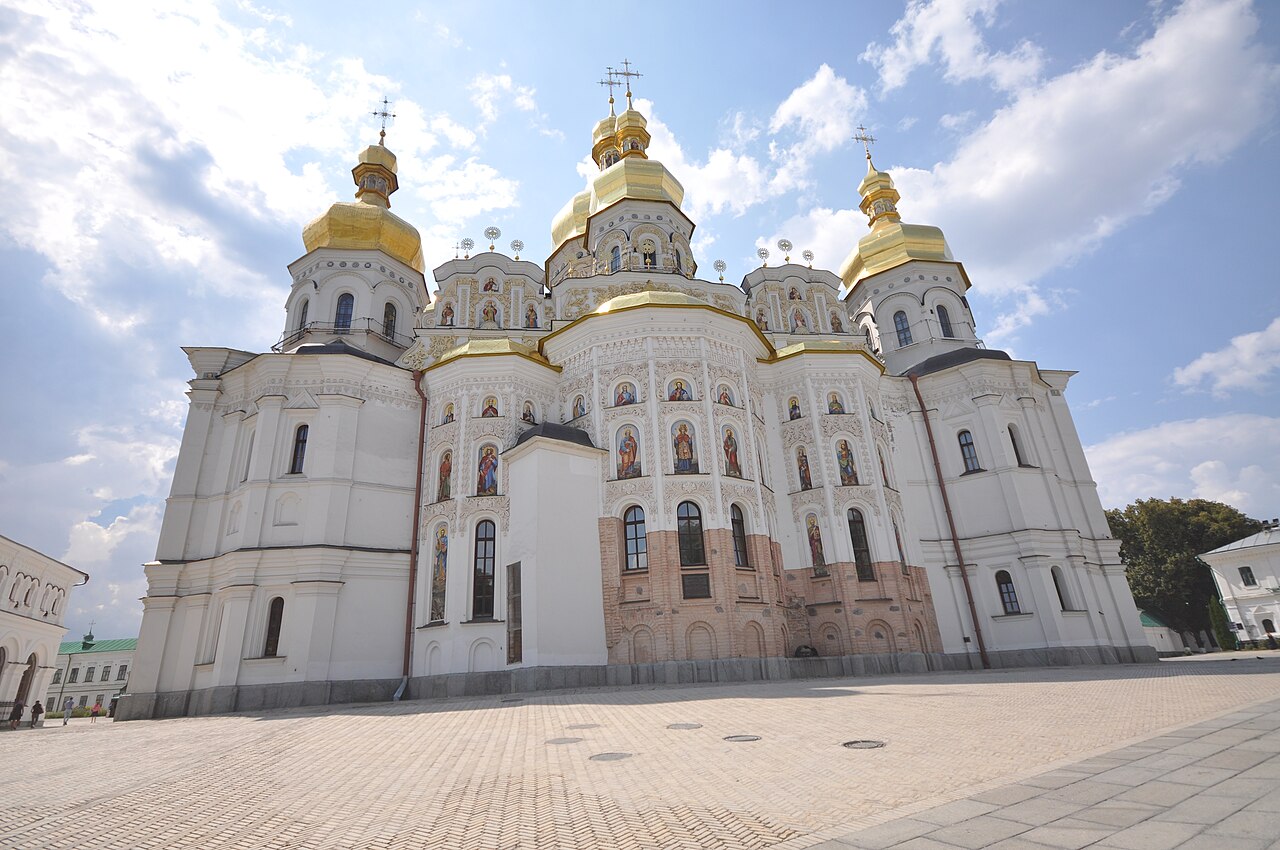
The Cathedral of the Dormition at the Kyiv Pechersk Lavra in Kyiv, the Ukrainian capital that came under heavy Russian missile and drone attack overnight. (Photo: Wikimedia Commons, CC BY 2.0 (Cathedral of the Dormition - Kiev Pechersk Lavra, via Wikimedia Commons))
Warsaw called the missile and drone incursions into Poland a likely provocation, while a night of heavy Russian strikes on Ukraine overshadowed the three leaders' summit in China.
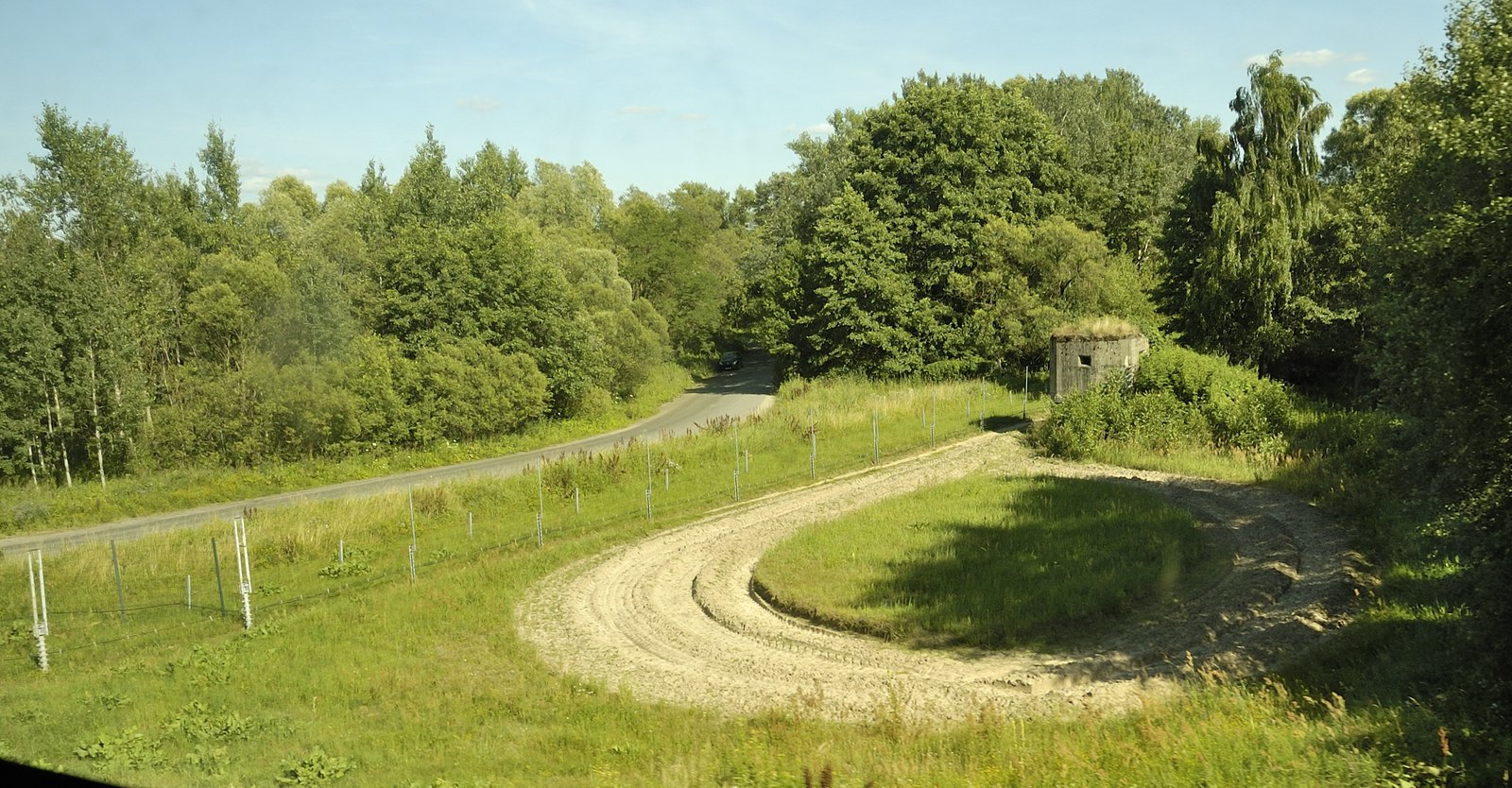
Poland was pulled directly into the fallout of Russia's war on Ukraine on Friday, after Warsaw said a Russian cruise missile crashed on Polish territory and that two Russian missiles and a suspected drone came down in the country during a major overnight bombardment of Ukraine. NATO jets were scrambled in response, and Prime Minister Donald Tusk said the incursions did not look like an accident, describing them as an intentional provocation. Polish leaders linked the timing to European military exercises in Poland connected to a possible postwar mission in Ukraine, a coincidence they argued was difficult to dismiss.
The strikes that preceded the incursions were among the heaviest reported in recent days. According to President Volodymyr Zelenskyy, Russia fired more than 400 drones and over 110 missiles at Ukraine, 27 of them ballistic and some carrying cluster warheads that scatter smaller bomblets over a wide area. Zelenskyy said at least eight civilians were killed and more than two dozen people wounded. For residents of Ukrainian cities, the night was another reminder that, whatever diplomatic language is used abroad, the war itself continues at full intensity, with air defence crews working through the night and emergency services clearing damage at first light.

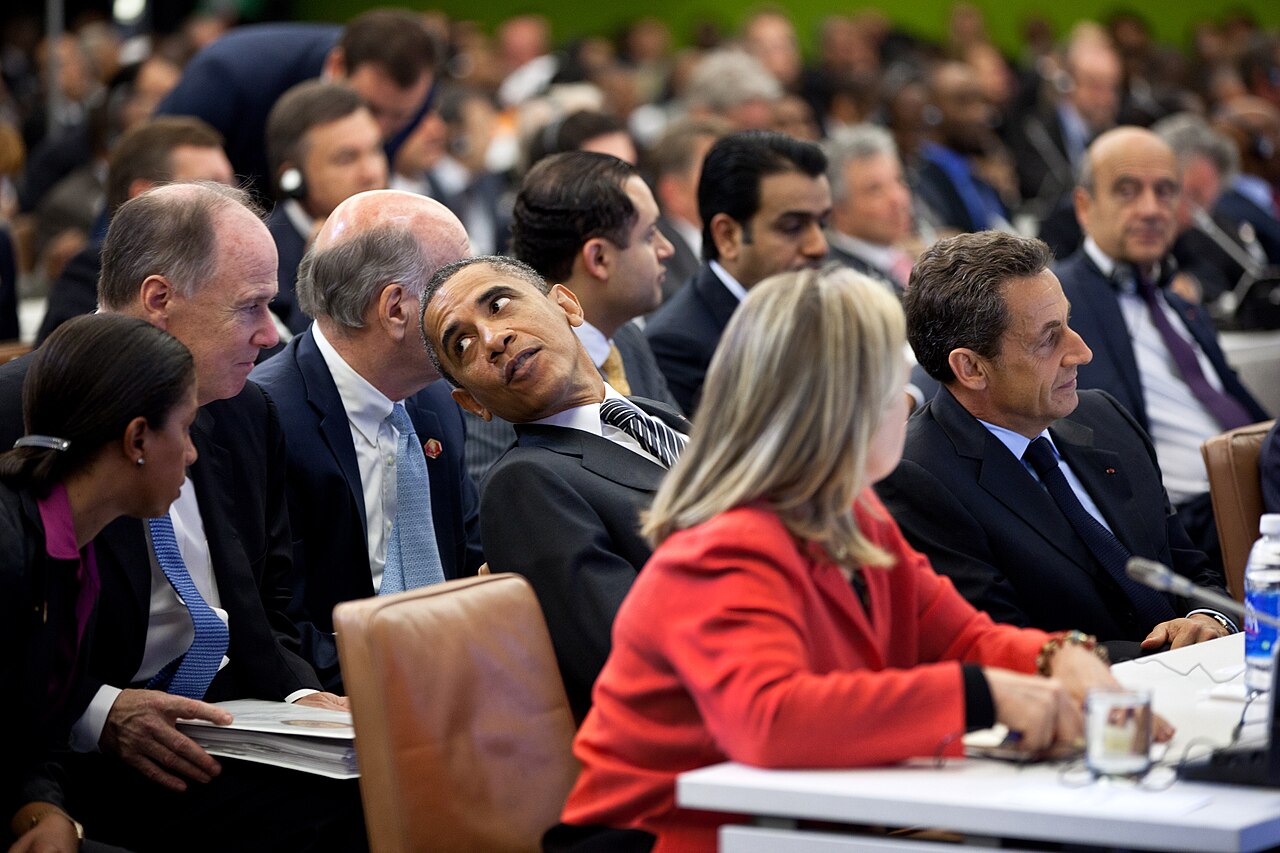
Against that backdrop, attention turned to Shenzhen in China, where US President Donald Trump met Russian President Vladimir Putin and Chinese President Xi Jinping for a trilateral summit. The three leaders issued a four-point peace declaration pledging to advance reforms of the United Nations, to increase supplies of fuel products for all countries, to uphold the immunity enjoyed by state officials in international courts, and to avoid nuclear war. Yet the declaration offered no tangible plans for ending the wars now under way, and the Kremlin played down the importance of Ukraine during the talks, leaving European and Ukrainian officials to ask what, in practical terms, the summit had changed.
Trump spoke warmly of Putin only hours after the bombardment of Ukraine, praising his relationship with the Russian leader and insisting that Putin would love to end the war and had expressed a desire to see it finished by diplomatic means. Trump said there was a real good chance a peace deal could be brokered, while also describing the talks process as stuck, saying the two sides did not know how to end it and that Washington was trying to help them. The mixed messages left allies unsure whether a serious negotiation is near or whether the diplomacy is running ahead of any agreement on the ground.
One reported idea underlined the scale of the compromises being discussed. Sources familiar with the matter told the Wall Street Journal that Trump's son-in-law Jared Kushner has suggested Ukraine could still join NATO if it gives up territory to Moscow, bending to Russia's central demand. Such a trade, membership in exchange for land, would be fiercely contested in Kyiv, where officials have long argued that ceding territory rewards aggression, and in European capitals that fear any settlement imposed over Ukraine's head would store up a larger conflict for later.
For Poland, the immediate questions are practical as well as political: how the missile entered its airspace, whether the incursions were deliberate, and how NATO responds without escalating a confrontation nobody says they want. For Ukraine, the calculation is simpler and grimmer. Declarations in Shenzhen do not intercept drones over Kyiv. Until the diplomacy produces terms that stop the strikes, nights like Friday's, and mornings spent counting the dead, will remain the reality against which every summit statement is judged. (Source: The Independent)
Source: Juba Global News Network, reporting The Independent coverage.