China's Huawei Convicted in Sprawling US Criminal Trial Over Iran Business
A federal jury in Brooklyn found Huawei guilty on 10 of 12 counts, including bank fraud and conspiring to steal trade secrets, in a case launched in 2018; Huawei rejected the verdict and said it would appeal.
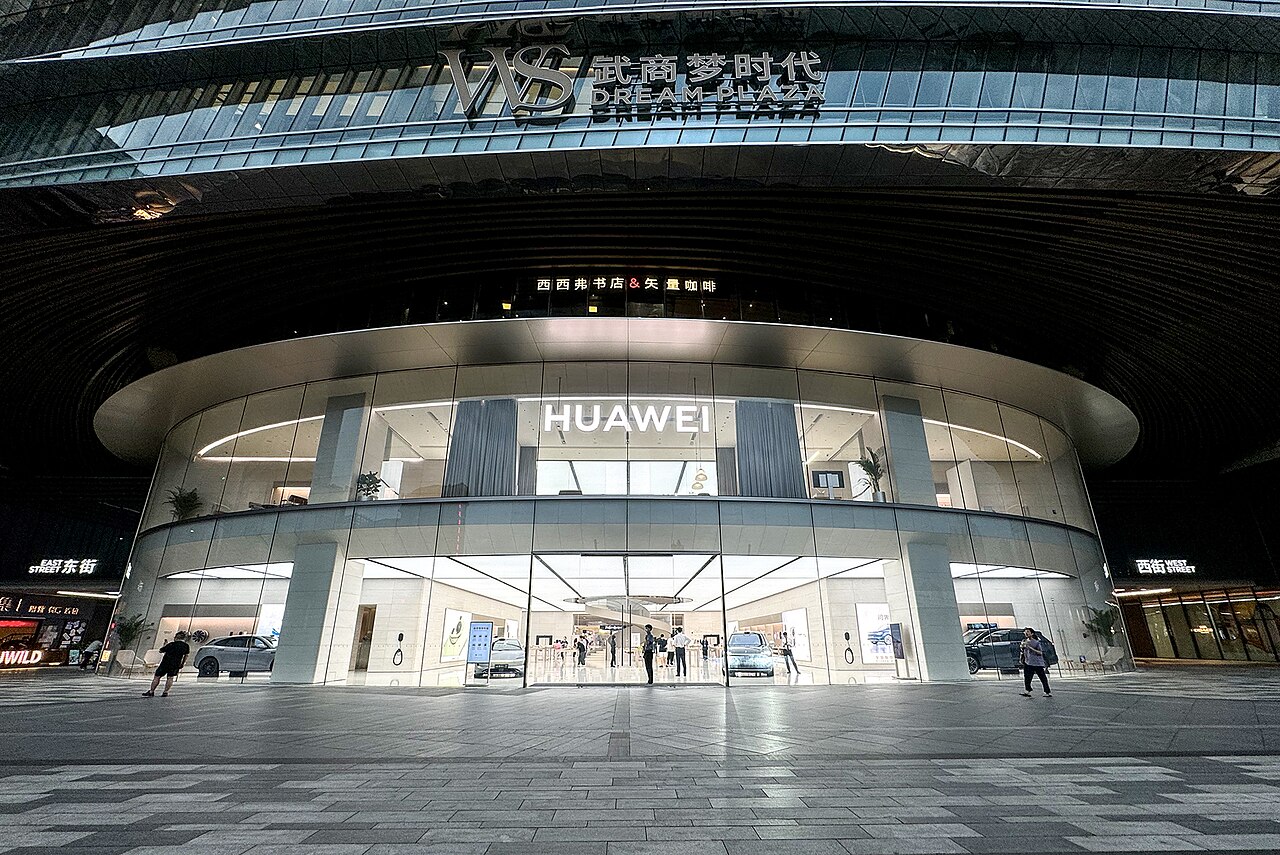
A federal jury in Brooklyn found Huawei guilty on 10 of 12 counts, including bank fraud and conspiring to steal trade secrets, in a case launched in 2018; Huawei rejected the verdict and said it would appeal.
NEW YORK, Nov 24 — Chinese telecommunications equipment maker Huawei was convicted by a jury in New York City on Tuesday in a sprawling United States criminal case on charges that it deceived banks about its business in Iran and stole trade secrets from American companies. The jury in Brooklyn federal court found Huawei guilty on 10 of the 12 criminal counts the company faced, including bank fraud, wire fraud, sanctions violations and conspiring to steal trade secrets, Reuters reported.
The jury acquitted Huawei on two counts: conspiring to obstruct justice and racketeering conspiracy, a charge alleging that the company had acted as a criminal enterprise. That acquittal mattered to the defence. Brian Heberlig, a lawyer for Huawei, said the company was disappointed by the convictions but that the acquittal on the racketeering conspiracy charge vindicated its "good-faith compliance culture". "We fully expect to appeal," Heberlig told reporters. Huawei itself later rejected the verdict, saying the charges were without legal or factual merit and that it would take all necessary legal actions to defend its rights and interests.
The verdict followed a long trial before US District Judge Ann Donnelly. Reuters reported the trial lasted more than two months, with prosecutors calling more than 60 witnesses and the defence calling 15. The US Department of Justice, in its own announcement from the Eastern District of New York, said the verdict followed a 12-week trial and that guilty verdicts were returned against Huawei Technologies Co., Ltd. and three subsidiaries: Huawei Device Co. Ltd. in China, and US subsidiaries Futurewei Technologies Inc. and Huawei Device USA Inc.
According to the Justice Department, one or more of the entities was convicted of each of a list of crimes including conspiracy to steal trade secrets, wire fraud conspiracy and wire fraud, bank fraud conspiracy and bank fraud, conspiracy to defraud the United States, conspiracy to violate the International Emergency Economic Powers Act, violations of that act, and money laundering conspiracy. Prosecutors said Huawei and its subsidiaries engaged in a scheme over many years that included evading US sanctions on Iran, theft of trade secrets, wire fraud, bank fraud and money laundering.
The case began in 2018, and the following year the US government placed Huawei on a trade blacklist that restricted its access to US technology amid American concerns that the company posed national security risks. The 2018 indictment alleged that Huawei misled banks including HSBC, Standard Chartered and BNP Paribas about its business dealings in Iran, Reuters reported. Prosecutors added new charges in 2020, including that Huawei conspired to steal trade secrets from US technology companies over two decades — allegations covering, among other examples presented at trial, source code from Cisco Systems, antenna technology from Quintel, work linked to semiconductor company CNEX, and T-Mobile's robot testing technology, known as Tappy.
Sentencing is set for September 14, 2027, before Judge Donnelly, and it was not immediately clear what penalties Huawei will face. Heberlig said it was premature to comment on how much the company might have to pay, but said the acquittal on the racketeering charge could make a significant difference. For a company that sits at the centre of US-China competition over technology, the financial penalty is only part of the consequence; the verdict itself becomes another fact in every future argument in Washington, Beijing and allied capitals about whether Huawei can be trusted in sensitive networks.
Huawei has long denied wrongdoing and argued, through its lawyers, that prosecutors were criminalising ordinary business activity and that its growth came from engineering, investment and research. Those arguments persuaded the jury on the two most sweeping counts, but not on the ten others. The appeal the company has promised will now test the verdict in a higher court, while the underlying political dispute — over trade secrets, sanctions on Iran and the security of telecommunications equipment — continues far beyond one courtroom in Brooklyn. For now, the headline fact is simple and stark: one of China's premier international brands stands convicted in the United States. (Source: US Department of Justice / Reuters / AFP)
Source: Juba Global News Network, reporting US Department of Justice / AFP coverage.