South Sudan and Russia Reaffirm Ties, With Chess as a Platform for Youth and Peace
At a cooperation event in Juba, chess was presented as a tool for discipline, patience and strategic thinking among young people, alongside wider cooperation in education, trade, investment, energy and security.
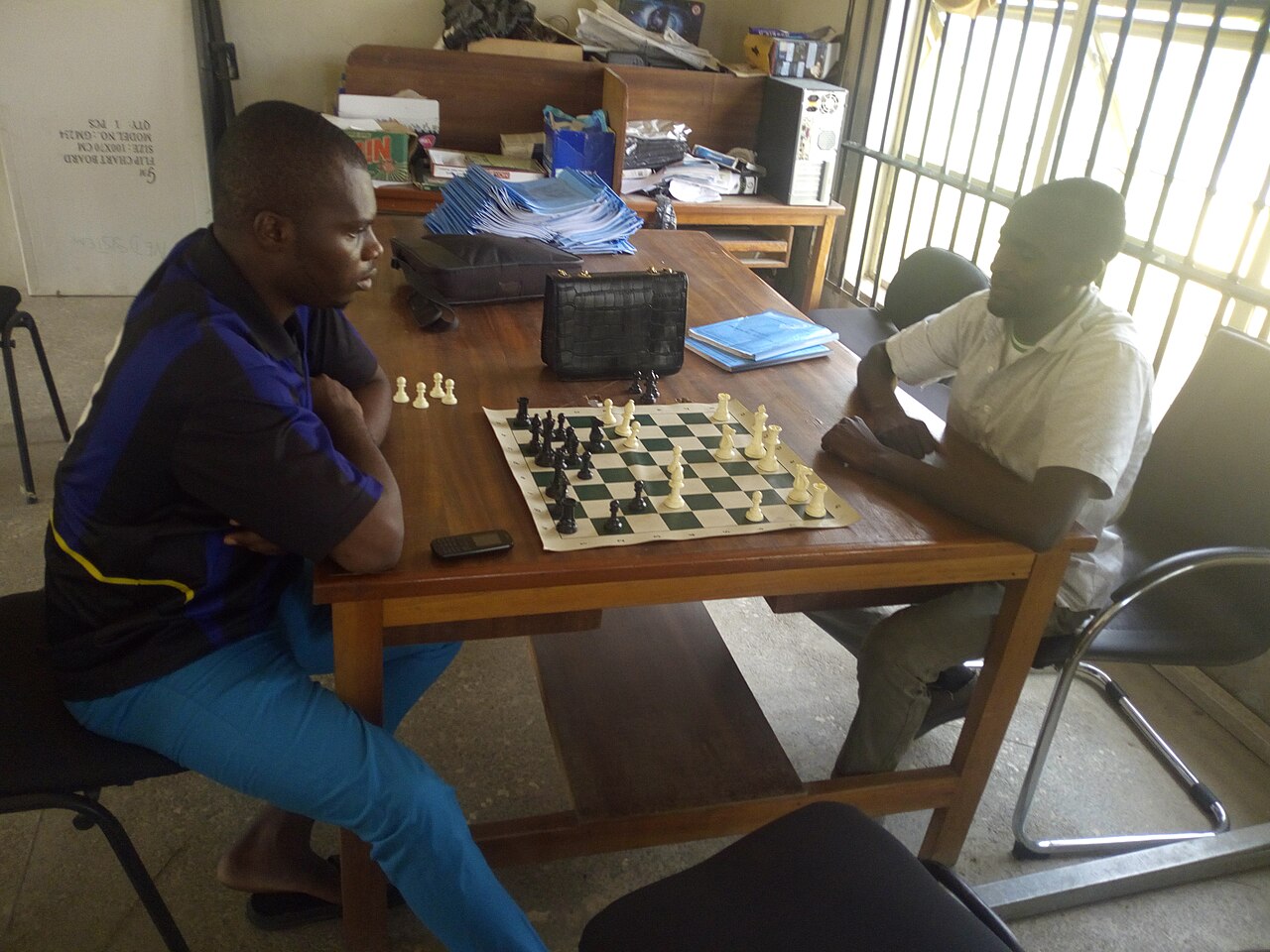
At a cooperation event in Juba, chess was presented as a tool for discipline, patience and strategic thinking among young people, alongside wider cooperation in education, trade, investment, energy and security.
JUBA — South Sudan and Russia have reaffirmed their commitment to strengthening bilateral relations, with chess emerging as a platform for youth empowerment, intellectual development and the promotion of peace. The theme was set out at an event promoting cooperation between the two countries, where speakers presented the game as far more than a pastime.
Speaking during the event, Emmanuel, the Youth Secretary, said chess was more than a competitive game, describing it as an important tool for developing discipline, patience, strategic thinking and mutual respect among young people. He said the game provides an opportunity to unite young people regardless of their nationality, religion, culture or social background, noting that when people talk about chess, they talk about patience, strategy and respect.
He explained that chess encourages players to think critically, make informed decisions and remain calm when facing difficult situations. According to Emmanuel, these values are particularly important for South Sudan, where peaceful coexistence, mutual understanding and national unity remain essential for building a stable society. He said chess could help young South Sudanese develop leadership skills and learn how to approach challenges through careful thinking rather than confrontation, adding that chess does not ask where a player comes from, but whether they can think ahead, stay calm under pressure and respect their opponent.
Emmanuel also pointed to countries such as Russia, India, China, Brazil and South Africa, where chess has contributed to education, intellectual development and youth engagement. He called for stronger cooperation between South Sudan and Russia, saying the friendship between the two countries should extend beyond diplomatic relations and create practical opportunities for young people through education, skills development and cultural exchange.
Meanwhile, the Russian Ambassador to South Sudan highlighted the growing relationship between Juba and Moscow, saying both countries were exploring opportunities to expand cooperation in areas of mutual interest. The ambassador pointed to education, trade, investment, energy and security as key sectors for strengthening bilateral relations — a reminder that the chess initiative sits inside a much broader diplomatic agenda.
The cooperation follows President Salva Kiir Mayardit's October 2026 visit to Moscow, where he held bilateral discussions with Russian President Vladimir Putin during the Third Russia-Africa Summit. Russia has also increased scholarship opportunities for South Sudanese students to 40 for the 2026-2027 academic year, providing additional opportunities for young people to pursue higher education.
Youth development was the thread connecting the chessboard to the wider relationship described at the event. South Sudan has a very young population, and speakers framed initiatives that build patience, planning and respect for an opponent as contributions to national life that extend well beyond sport. The examples cited from Russia, India, China, Brazil and South Africa were offered as evidence that chess, where it is supported in schools and communities, can support education and keep young people engaged in structured, peaceful competition. Set alongside increased scholarship opportunities and cooperation in education, the chess theme gave the diplomatic relationship a people-to-people dimension: students travelling to study, young players meeting across a board, and skills — linguistic, academic and strategic — moving between the two countries along with formal agreements.
The event highlighted chess as a potential bridge between the two nations, promoting intellectual growth, friendship and stronger people-to-people relations. Emmanuel said investing in young people through initiatives such as chess could contribute to a more peaceful and united future for South Sudan — a future, in the framing offered at the event, built one careful, considered move at a time. (Source: One Citizen Daily)
Source: Juba Global News Network, reporting One Citizen Daily coverage.