French Officials Order Former President Sarkozy's Corruption Case to Trial
A corruption case involving former President Nicolas Sarkozy and his wife Carla Bruni will go to trial, with an initial pre-trial hearing set for April 1, 2027, over the retraction of testimony about alleged Libyan campaign funds.
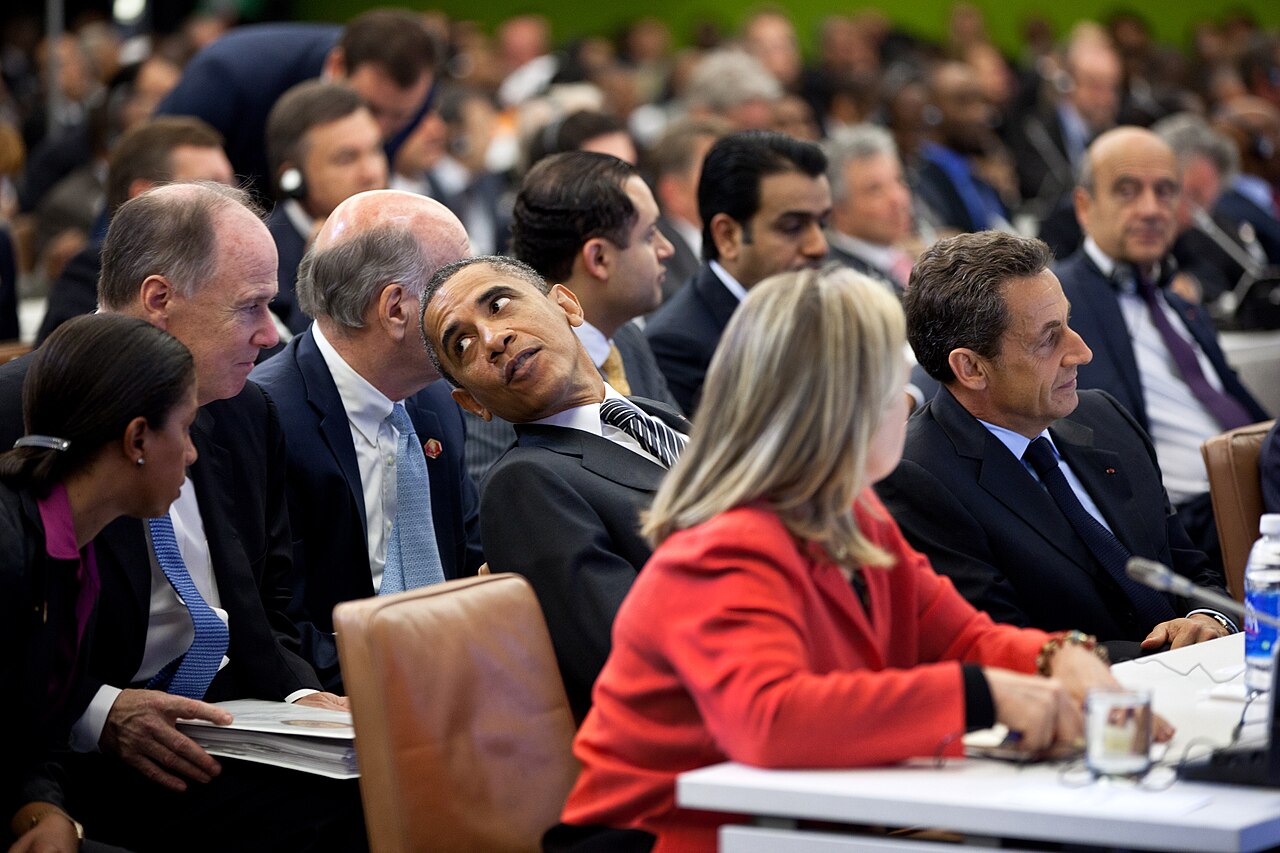
A corruption case involving former President Nicolas Sarkozy and his wife Carla Bruni will go to trial, with an initial pre-trial hearing set for April 1, 2027, over the retraction of testimony about alleged Libyan campaign funds.
PARIS, Nov 24 — French officials on Tuesday ordered a corruption case involving former President Nicolas Sarkozy and his wife, model and singer Carla Bruni, to go to trial, setting an initial pre-trial hearing for April 1, 2027. The decision, reported by Reuters from a statement by the French financial prosecutor's office, adds a new courtroom chapter to legal troubles that have followed Sarkozy for years after he left the Elysee Palace.
At the heart of this case is testimony — and its withdrawal. Investigators had been probing the retraction of testimony by French-Lebanese businessman Ziad Takieddine, a self-described "middleman in the shadows" who had alleged that late Libyan leader Muammar Gaddafi sent Sarkozy's successful 2007 presidential campaign millions of euros in cash, before withdrawing his account in 2020. Takieddine has since died, Reuters reported, leaving investigators and now a trial court to weigh a record built around statements that were made, changed and retracted over many years.
Sarkozy and his wife have been charged with receiving stolen goods, witness tampering and criminal conspiracy, the French financial prosecutor's office said in its statement on Tuesday. Those are the charges on which the case will now proceed to trial. Lawyers for Sarkozy and Bruni did not immediately respond to a request for comment, Reuters reported on Tuesday. Sarkozy has denied the allegations in the wider Libya funding affair, which were first made by one of Gaddafi's sons.
The background reaches back to one of the most striking episodes of Sarkozy's presidency. He hosted Gaddafi on a visit to Paris five months after his election, with the Libyan leader pitching a Bedouin-style tent near the Elysee Palace, before Sarkozy later became one of the chief advocates of the NATO-led campaign against Gaddafi that resulted in his overthrow and killing by rebels in 2011. The contrast between that welcome in 2007 and the intervention of 2011 has long made the alleged Libyan money a politically explosive subject in France, touching on campaign finance, foreign policy and the credibility of a former head of state.
This is not Sarkozy's only conviction or case. Reuters reported that he was convicted last year in a related case, of criminal conspiracy over attempts to procure campaign funds from Libya, and received a five-year jail sentence, making him the first post-war French president to be imprisoned. Three weeks into that jail sentence, a court released him under judicial supervision, with terms including a ban on leaving France, and he has appealed that conviction. He has also been convicted for corruption and influence peddling, and for illegal campaign financing over his failed 2012 re-election bid.
The order sending this case to trial does not itself decide guilt or innocence on the new charges. What it decides is that the investigation has reached the point where a court, rather than investigators alone, will test the evidence — including how and why Takieddine's testimony changed, and what, if anything, that change had to do with the former president and his wife. With Takieddine dead, that testing will rely heavily on documents, records and the accounts of others involved, which may make the proceedings as much about the paper trail as about any single witness.
For French politics, the April 1, 2027 pre-trial hearing sets a date that will hang over public life for months. A former president facing trial alongside his wife, a famous singer and model, guarantees intense attention at home and abroad. But the legal question is narrower and more serious than the spectacle: whether the justice system can establish, to a criminal standard, what happened around the retraction of a central witness's story in one of the longest-running scandals of the Fifth Republic. The trial will now decide. (Source: Reuters)
Source: Juba Global News Network, reporting Reuters coverage.