Tambura-Yambio Bishop Calls for Stronger Church-NEC Collaboration on Electoral Preparedness
Bishop Barani Edward Hiiboro has called for stronger collaboration between the Church and the National Elections Commission so South Sudan's elections proceed according to the established timetable.
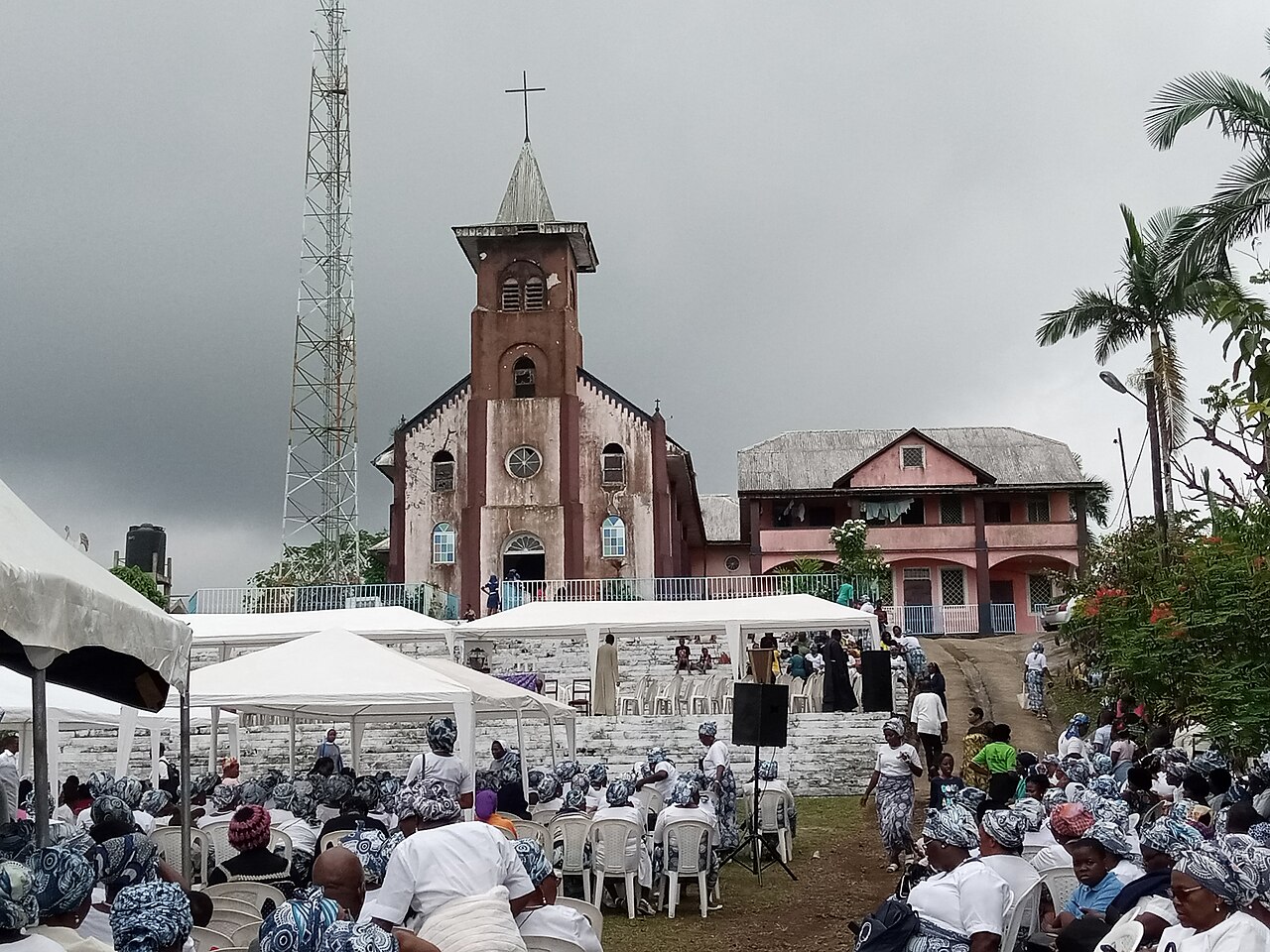
Bishop Barani Edward Hiiboro has called for stronger collaboration between the Church and the National Elections Commission so South Sudan's elections proceed according to the established timetable.
YAMBIO — The Bishop of the Catholic Diocese of Tambura-Yambio has called for stronger collaboration between the Church and the National Elections Commission to support electoral preparedness and ensure South Sudan's elections proceed according to the established timetable. In a statement reported this week, Bishop Barani Edward Hiiboro said discussions focused on how the Church and the commission can work together as the country prepares to vote.
The call places the Church firmly among the institutions being asked to help carry the electoral process to communities. Churches reach parishes and villages across Western Equatoria and beyond, and their networks have long been used to pass civic messages to congregations. Stronger collaboration with the National Elections Commission would allow accurate electoral information — on registration, timetables and voting procedures — to travel through those trusted local structures.
The bishop's latest intervention builds on direct engagement between the diocese and the commission in recent weeks. In October, NEC Chairperson Gabriel Bol Deng met Bishop Hiiboro in Juba, in a meeting also attended by NEC Commissioner Josephine Achiro, to discuss the Church's role in promoting peaceful elections. Discussions at that meeting focused on cooperation in promoting civic and voter education, peaceful political participation and public confidence in the electoral process.
At that earlier meeting, the bishop expressed the Church's willingness to support voter education, peacebuilding and the dissemination of accurate electoral information through church structures and community networks, including the Catholic Radio Network. The commission, for its part, emphasised that delivering peaceful, inclusive and credible elections requires collective efforts from all stakeholders, including the guidance and support of religious leaders.
Bishop Hiiboro has also framed the electoral task in spiritual terms. In a prayer shared in October alongside the leadership and staff of the NEC, he asked for enlightenment, wisdom, discernment and the guidance of the Holy Spirit for those undertaking national responsibilities, and prayed that God would bless the commission, all who serve the nation, and South Sudan with peace, responsible leadership and a future rooted in hope. He emphasised that every South Sudanese person has inherent dignity.
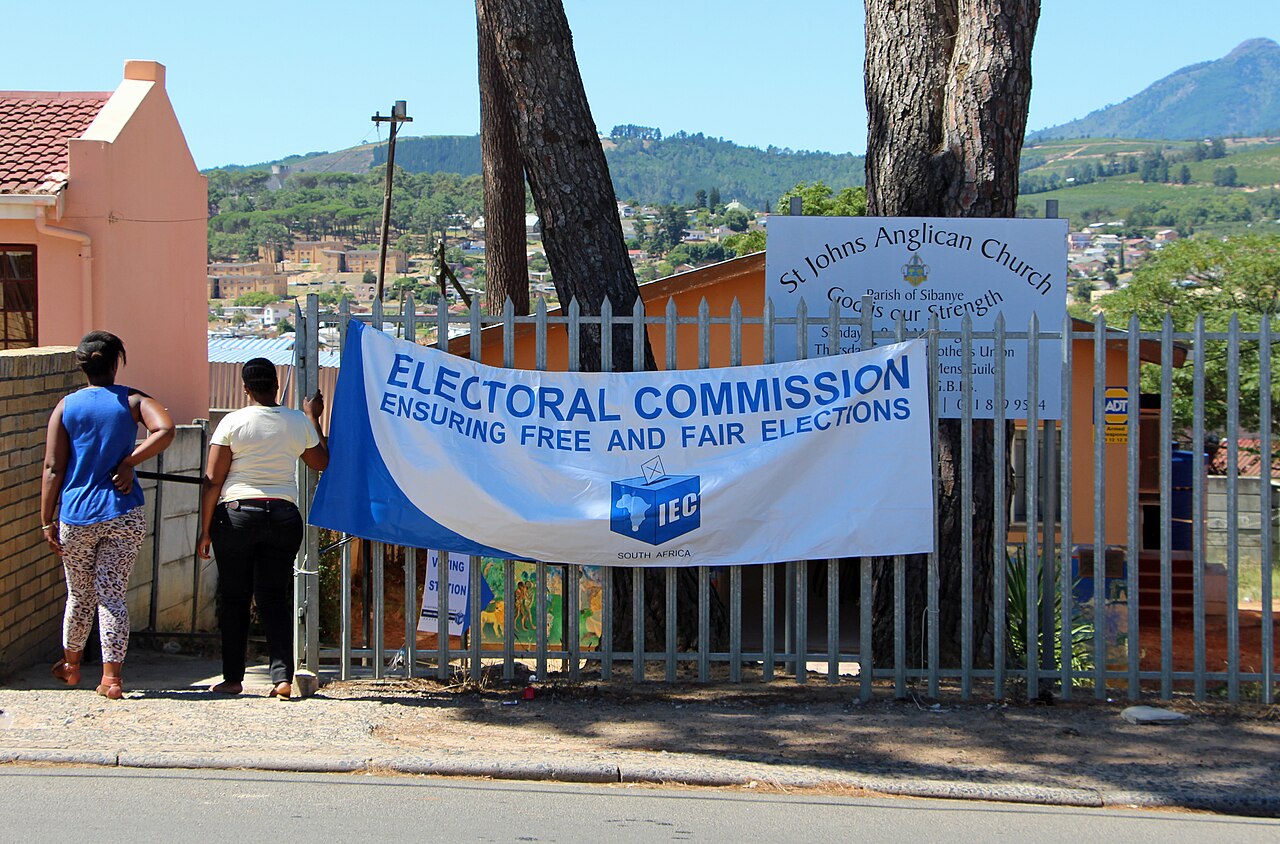
The renewed call for collaboration comes at a decisive moment in the timetable. Voter registration opened on November 14 and runs to November 28 at 3,161 centres across the country, and polling in South Sudan's first general elections since independence is scheduled for February 11, 2027. With registration under way and campaigning still ahead, the work of voter education — explaining who can register, where, and why it matters — is immediate rather than theoretical.
The Church's role in civic life is a longstanding feature of public life in Western Equatoria and across South Sudan, where parishes, schools and church-run radio reach communities that state institutions sometimes struggle to reach. That reach is what makes collaboration with the elections commission significant: voter education delivered through congregations and community networks can explain registration and voting in local languages and settings where people already gather and trust the messenger. It also carries a peace dimension. Religious leaders are frequently called upon to calm tensions and encourage acceptance of lawful processes, and early engagement — months before polling day, while registration is still open — gives that work time to take root rather than being attempted in the charged final days of a campaign.
For the diocese, electoral preparedness is therefore about more than logistics. It is about ensuring citizens understand the process, participate peacefully and trust the outcome enough to accept it. The bishop's message, as reported, is that the Church stands ready to deepen its work with the commission so that the elections proceed according to the established timetable and in peace. (Source: One Citizen Daily)
Source: Juba Global News Network, reporting One Citizen Daily coverage.