Estonia to Close Its Border Crossings With Russia for at Least Six Months From December 1
Tallinn said the closure, covering all five road crossing points, is a response to Russia's ongoing hostile actions, after defence companies in Estonia were attacked twice this year.
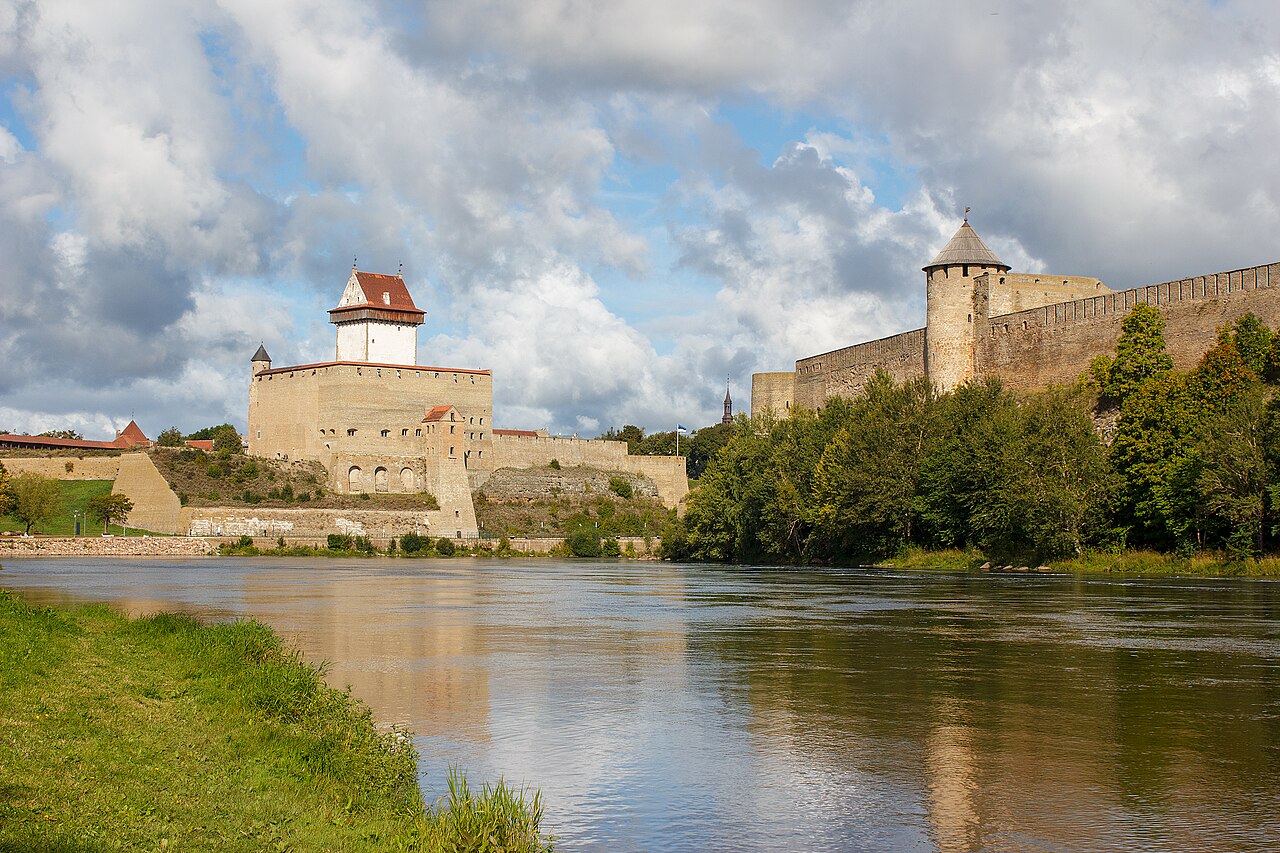
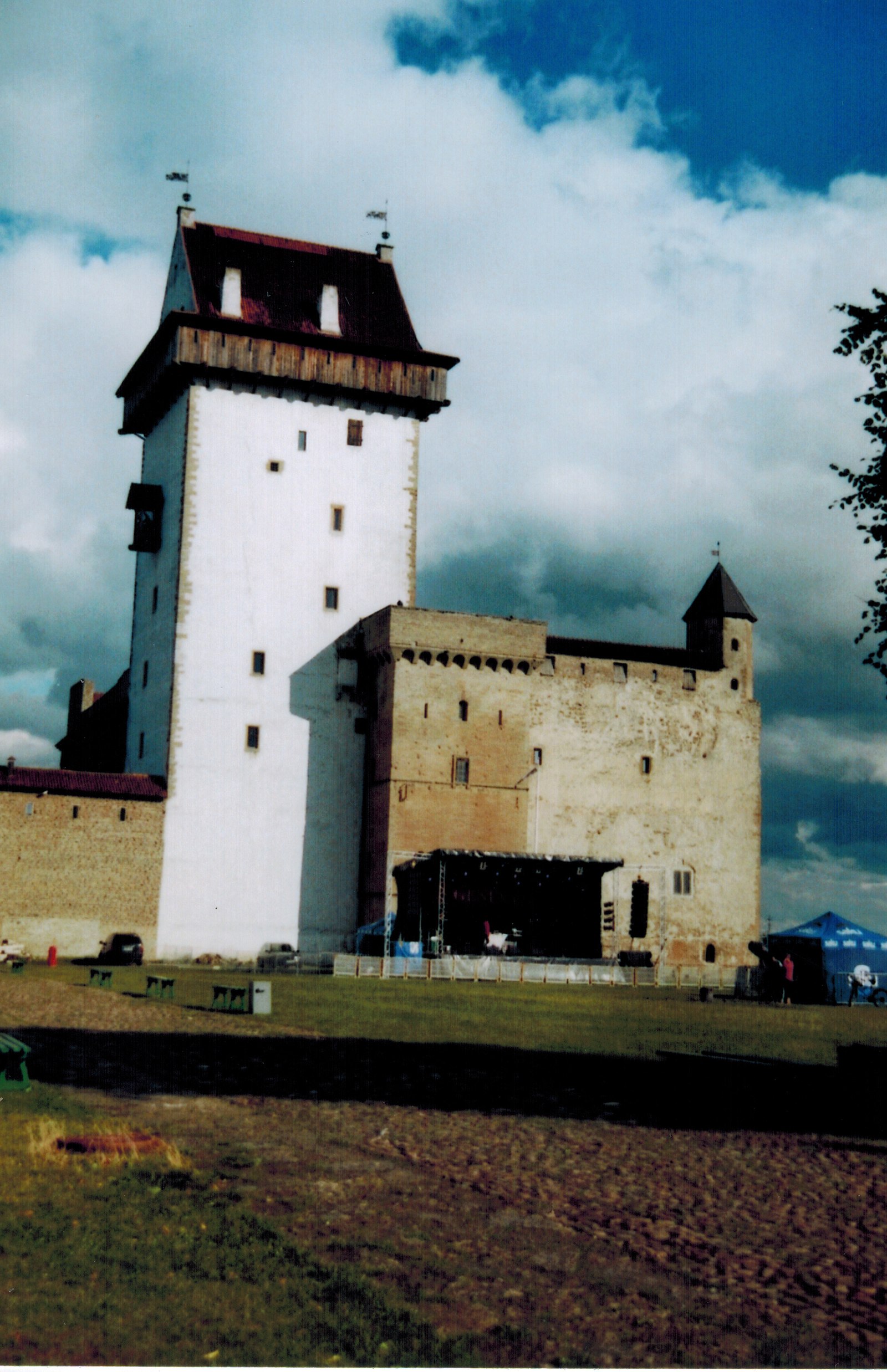
The fortresses facing each other across the Narva River — Narva Castle in Estonia and Ivangorod Fortress in Russia — on the border whose road crossings close from December 1. (Photo: Wikimedia Commons, CC0 (Fortresses by Narva river, Estonia and Russia, via Wikimedia Commons))
Tallinn said the closure, covering all five road crossing points, is a response to Russia's ongoing hostile actions, after defence companies in Estonia were attacked twice this year.
Estonia will close its border crossings with Russia for at least six months from December 1 on security grounds, the Baltic country's government said on Friday, in one of the sharpest steps yet taken by a NATO frontier state against Moscow. The government said it would decide after six months whether to extend the suspension or reopen the crossings. Estonia, a member of both NATO and the European Union and a strong supporter of Ukraine, currently has five crossing points where travellers can enter or leave Russia, according to the government.
In its statement, the government left no doubt about its reasoning. "The decision is a response to Russia's ongoing hostile actions against Estonia and other European countries," it said. "In Estonia, defence industry companies have been attacked twice this year, and according to the Estonian Internal Security Service, in both cases the commissioners of the acts were Russian special services." The closure follows a suspected arson attack on an Estonian defence company that Tallinn blamed on Moscow; Estonia first announced earlier this month that all crossing points would close, without at that stage specifying how long the shutdown would last.
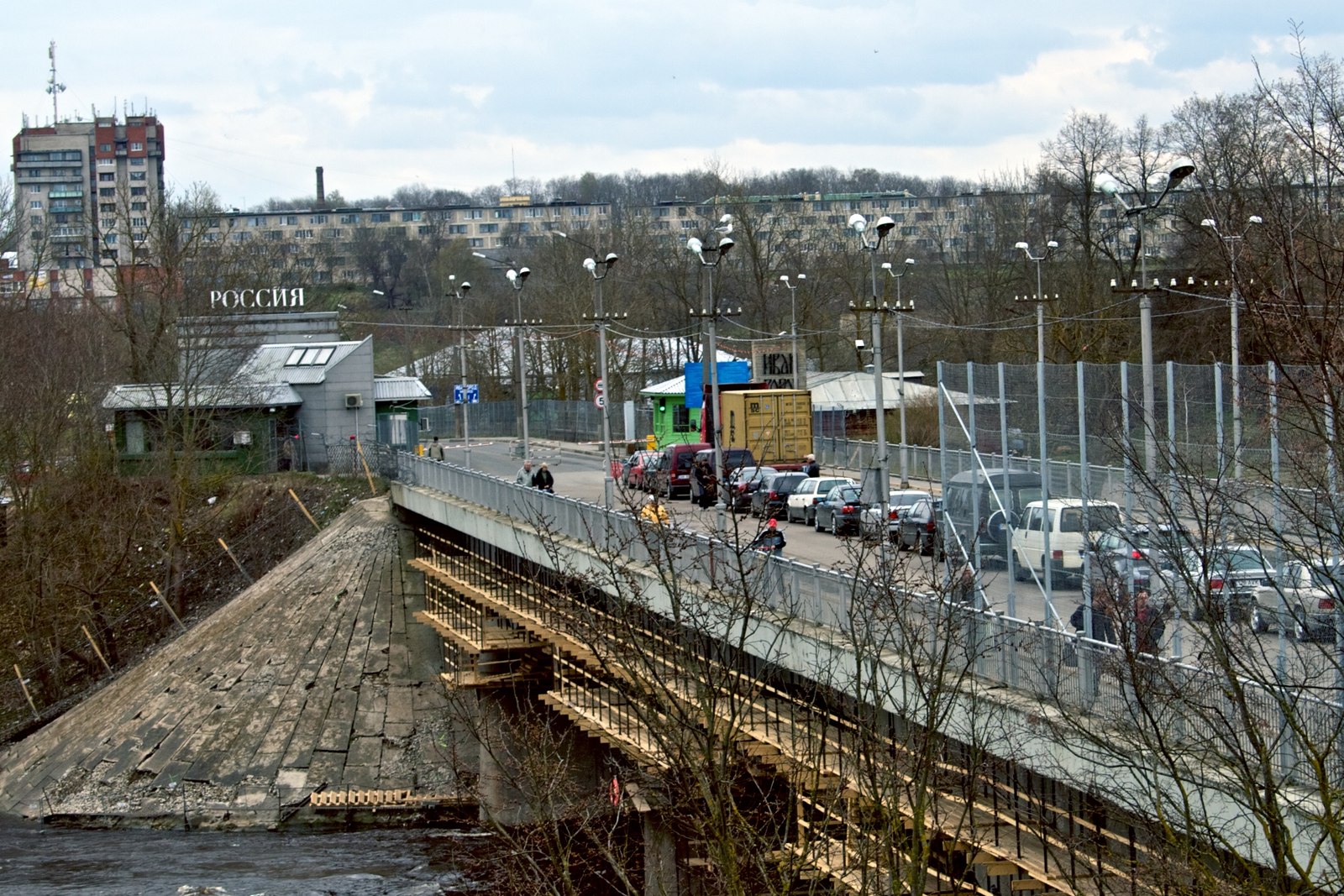
Moscow has regularly denied accusations by European authorities of involvement in sabotage operations, and it reacted angrily to the length of the closure now confirmed. Russian Foreign Ministry spokeswoman Maria Zakharova accused Estonia of planning to erect a new "Iron Curtain" and said Russia would respond, with reporting of her remarks indicating Moscow is weighing political and diplomatic measures. The language deliberately evokes the Cold War division of Europe, a comparison Tallinn rejects, arguing that a temporary, reviewable security measure taken after attacks on its soil is not comparable to the sealed frontier of that era.
The practical effects will be felt most keenly in the border region itself, above all around Narva in the north-east, where the river separates the Estonian castle from Russia's Ivangorod fortress and where cross-border movement has been part of daily life for decades. Traders, families with relatives on the other side, and travellers who use the crossings to reach Russia will all have to reroute or wait. Estonian officials have framed the decision as protective rather than punitive, aimed at reducing the opportunities for hostile operations at a moment when, in their assessment, the threat is rising rather than receding.
Estonia's move also lands in a wider European argument about how far to go in sealing the continent's eastern edge. Governments across the Baltic and Nordic region have tightened border security since Russia's full-scale invasion of Ukraine, citing sabotage, hybrid operations and instrumentalised migration. Supporters of the closure say a state that believes its defence industry is being targeted by a foreign intelligence service cannot be expected to keep normal traffic flowing as if nothing had happened. Critics of such measures, including Moscow, warn they deepen division and hurt ordinary people first.
What happens in six months will depend on whether the attacks Tallinn describes continue. If they do, an extension looks likely, and a measure announced as temporary could harden into the new normal on NATO's north-eastern frontier. If the security picture calms, the review built into Friday's decision gives Estonia a way back. Either way, the announcement marks a significant moment: a small frontline state deciding that, for now, the safest border with Russia is a closed one. (Source: Reuters)
Source: Juba Global News Network, reporting Reuters coverage.