South Sudan Eyes 400,000 Barrels a Day as Juba Oil Summit Courts Investors
Caretaker Petroleum Minister Awow Daniel Chuang set out a plan to lift output from nearly 170,000 to 200,000 barrels a day within two to three years, with 400,000 a day as the long-term goal, as the seventh South Sudan Oil & Power summit...
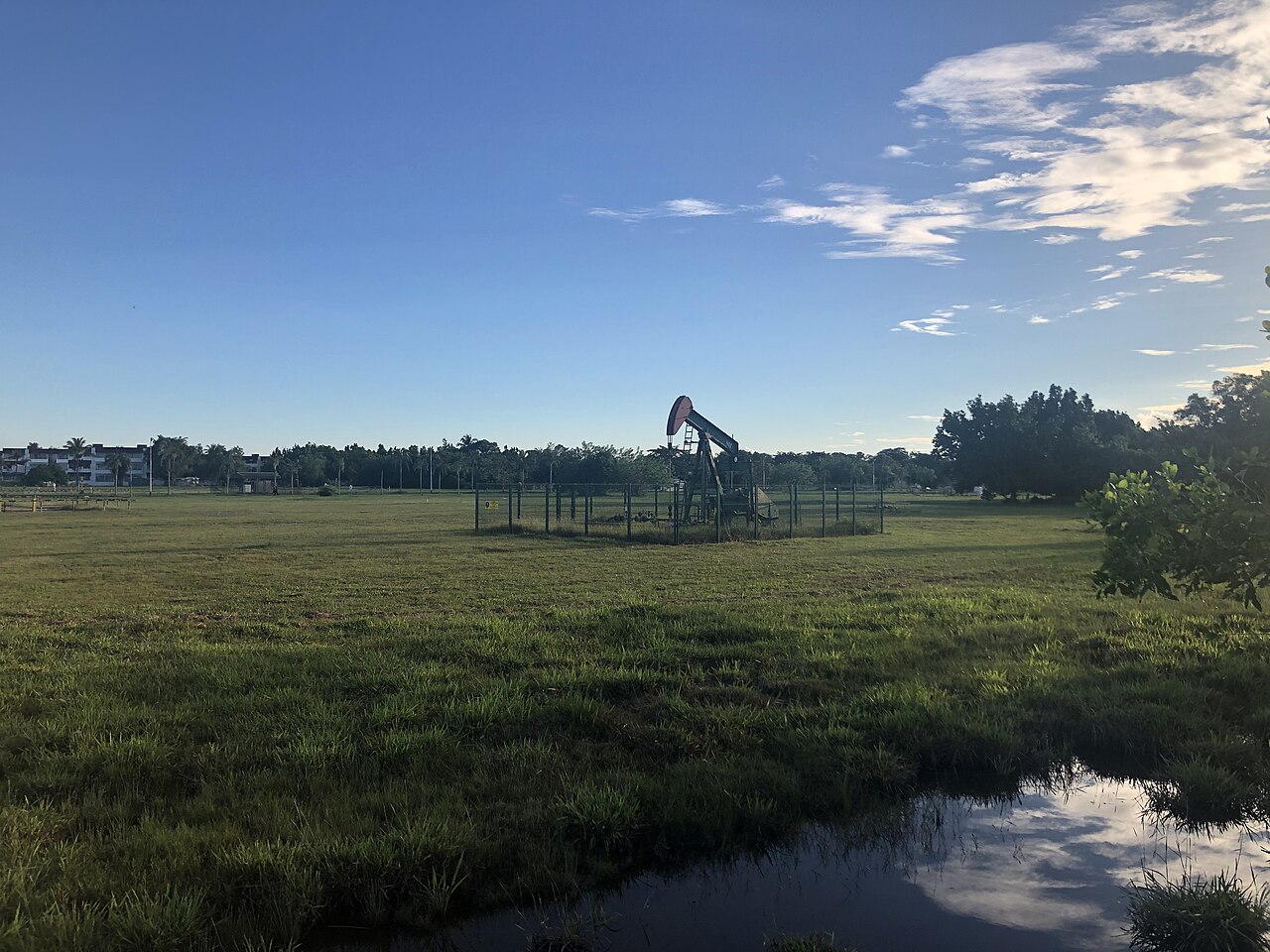
Caretaker Petroleum Minister Awow Daniel Chuang set out a plan to lift output from nearly 170,000 to 200,000 barrels a day within two to three years, with 400,000 a day as the long-term goal, as the seventh South Sudan Oil & Power summit opened in Juba.
JUBA — South Sudan is targeting 400,000 barrels per day in long-term crude output and is courting private capital across the full energy value chain, Caretaker Minister of Petroleum Awow Daniel Chuang said on November 24 as the seventh edition of South Sudan Oil & Power opened in Juba. The gathering, known as SSOP 2026, brought government and industry leaders together to argue that hydrocarbons can drive industrialisation, electrification and wider socioeconomic development.
Under the plan outlined by the minister, production would climb from nearly 170,000 barrels per day to 200,000 barrels per day within two to three years. The longer-term ambition of 400,000 barrels per day would rest, he said, on new exploration, enhanced oil recovery at mature fields and infrastructure development. Chuang emphasised the deployment of enhanced recovery technologies, the development of domestic refining and better roads to reduce logistics costs, which account for 70 million dollars in annual losses.
A central part of the offer to investors is a new five-block licensing round. By opening fresh acreage, the government hopes to attract companies willing to explore areas that remain largely undrilled and to bring new production on stream alongside the existing fields. Chuang said the strategy rests on new acreage, better recovery rates and cheaper logistics, adding that the country must use technology to improve recovery factors and build its own refineries and roads to optimise costs and ensure energy security.
Delivering the opening keynote, Minister of Presidential Affairs Africano Mande Gedima said oil remains the backbone of the national economy, funding peace initiatives and public services. He urged investors to partner with the national oil company Nilepet across exploration, pipeline development, refining and regional energy infrastructure. Gedima asked how the country can turn its oil into electricity, jobs, schools, hospitals and prosperity for all, saying South Sudan is open for investment and ready and stable, and that it wants partners who create jobs for youth, respect the environment and share dividends fairly, not investors who only come to take.
The international response at the opening underscored the scale of the opportunity being presented. The Secretary General of the Organization of the Petroleum Exporting Countries, Haitham Al Ghais, reaffirmed South Sudan's strategic role in supporting oil market stability amid geopolitical disruptions to global supply chains. He said there are immense opportunities for investment and growth across South Sudan, and that with global demand rising to 120 million barrels per day by 2050, the country is well positioned to play a crucial role in ensuring energy market stability.
Beyond petroleum itself, officials used the summit to confront the country's electricity deficit. Undersecretary of Energy and Dams Madhieu Achuil Mawien said national electricity access remains below 10 percent, while reliance on diesel-fired generation drives tariffs as high as 32 cents per kilowatt-hour. Outlining a roadmap to achieve 50 percent electricity access by 2035, Mawien said the country wants to move from diesel today to solar, hydropower, gas-to-power and regional power trade, and called for committed partners with blended finance and private capital to help light up the nation.
Reinforcing the case for domestic resource development, African Energy Chamber Executive Chairman NJ Ayuk argued that South Sudan's estimated 3.5 billion barrels of oil reserves represent merely the tip of the iceberg in one of the world's most under-drilled basins. Rejecting external pressure to leave African hydrocarbons in the ground, Ayuk said maximising production and empowering local entrepreneurs are both moral and economic imperatives, and that local content can no longer be an afterthought. The opening of SSOP 2026 underscored a shift toward integrated energy development, with South Sudan seeking to translate upstream investment into downstream expansion, regional trade and greater domestic electricity access. (Source: The Kampala Report)
Source: Juba Global News Network, reporting The Kampala Report coverage.