Zelenskiy Confirms Ukraine Hit Russian Ship in Gulf of Finland, Ally Norway Urges Caution
President Volodymyr Zelenskiy said Ukraine carried out Saturday's drone strike on the Russian cargo ship Sparta II, calling it a legitimate target, while NATO ally Norway urged caution and respect for international law.
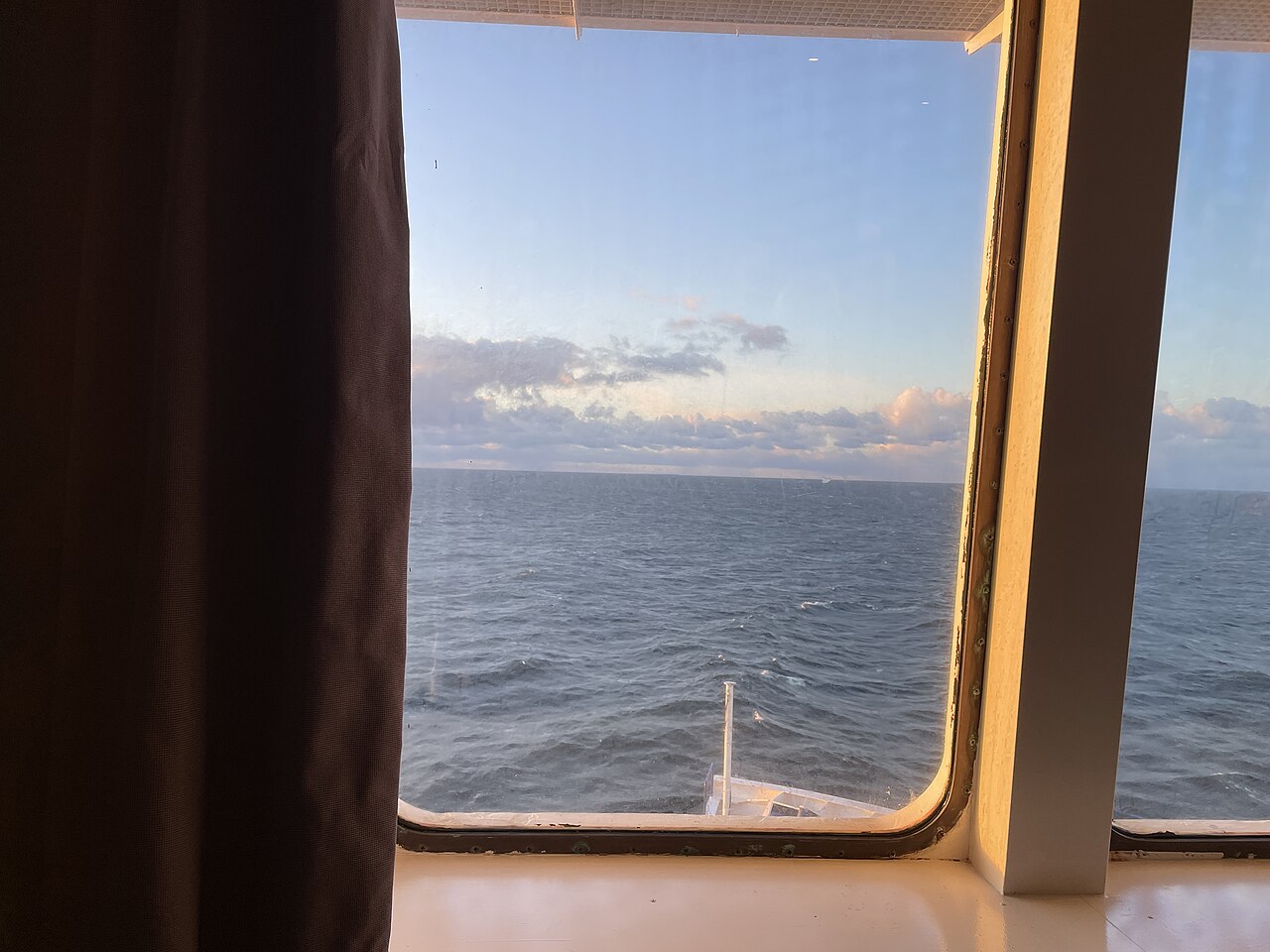
President Volodymyr Zelenskiy said Ukraine carried out Saturday's drone strike on the Russian cargo ship Sparta II, calling it a legitimate target, while NATO ally Norway urged caution and respect for international law.
KYIV/OSLO, Nov 24 — Ukrainian President Volodymyr Zelenskiy has confirmed that his country was responsible for Saturday's drone strike on a Russian cargo ship in the Gulf of Finland, ending days of speculation about an attack that set the vessel ablaze and drew it into Finnish waters. Speaking in an interview with Bloomberg on Monday, Zelenskiy defended the operation as a strike on a legitimate military target, even as Norway, one of Kyiv's strongest supporters, urged it to exercise caution in such operations in the Baltic region.
"We did everything right," Zelenskiy said, according to the Reuters account of the interview. "Every vessel with a Russian flag, everything that carries weapons or any sanctioned cargo that can carry God knows what, it is a legitimate target for us in Russian territorial or neutral waters." The vessel at the centre of the incident, the Sparta II, is a Russian-flagged cargo ship owned by Oboronlogistika, a shipping company that provides logistics services for the Russian Defence Ministry, according to the company's own website. Zelenskiy said the ship was carrying weapons, a claim about its cargo that has not been independently verified in full.
The strike itself took place on Saturday in the eastern Gulf of Finland, a narrow arm of the Baltic Sea bordered by Finland, Estonia and Russia. Finnish authorities said the damaged ship drifted from international waters into Finnish territorial waters after it was hit and set on fire, prompting a maritime rescue operation led by Finland's border guard. Finnish, Estonian and Russian vessels then took part in a joint effort to put out the fire, an unusual moment of practical cooperation between countries on opposite sides of the war, driven by the immediate risks to life, shipping and the marine environment.
By Sunday, a Russian vessel had towed the Sparta II back into Russian waters, where it is now anchored in St Petersburg, according to the Reuters summary. The sequence — a drone strike in a crowded northern waterway, a burning ship drifting across a maritime boundary, and a multinational firefighting effort — illustrated how far the war's reach now extends beyond Ukraine's land borders and the Black Sea, into sea lanes that serve civilian ports across northern Europe and carry energy and goods far beyond the front line.
Norway's response combined continued support for Kyiv with a clear warning about stability close to home. Norwegian Defence Minister Tore Sandvik said on Tuesday that there was an ongoing dialogue with Ukraine regarding "a need for stability in our near areas". Norway is a NATO member and, as Reuters noted, a strong supporter of Kyiv. Sandvik's message, as reported, was that Ukraine must act within international law — a reminder that even close allies want operations near their own region handled carefully, and that support for Ukraine's defence does not remove questions about escalation, civilian shipping and environmental risk in the Baltic.
Zelenskiy himself acknowledged that the attack might have rattled some allies. In a related interview published on Tuesday, Reuters reported, he confirmed Ukraine was responsible for the separate drone strike on Saturday on the Russian cargo vessel in the Gulf of Finland and said the Sparta II was a legitimate target because it was carrying weapons. The admission fits a wider Ukrainian campaign against Russian military logistics, in which ships, depots and transport links that Kyiv links to Moscow's war effort have increasingly been treated as targets, wherever Ukraine says they support the invasion.
For governments around the Baltic, the incident leaves difficult questions that will not end with the tow back to St Petersburg. A war that began with Russia's full-scale invasion of Ukraine in February 2022 now regularly reaches into shared sea space used by neutral shipping, fishing and ferries. Allies such as Norway say the fastest way to end such attacks is for Russia to stop the war, while also pressing Kyiv to keep its operations inside international law. For now, the Sparta II sits at anchor, insurers and crews must weigh a risk that until recently belonged mainly to the Black Sea, and the argument over what counts as a legitimate target at sea continues. (Source: Reuters)
Source: Juba Global News Network, reporting Reuters coverage.