At COP31's Close, Africa's Message Is Grants, Not Debt — and Make Polluters Pay
As COP31 in Antalya entered its final days on 20 November, African campaigners and negotiators pressed for grant-based climate finance, a fossil fuel phase-out roadmap and support for community renewable energy ahead of COP32 in Addis...
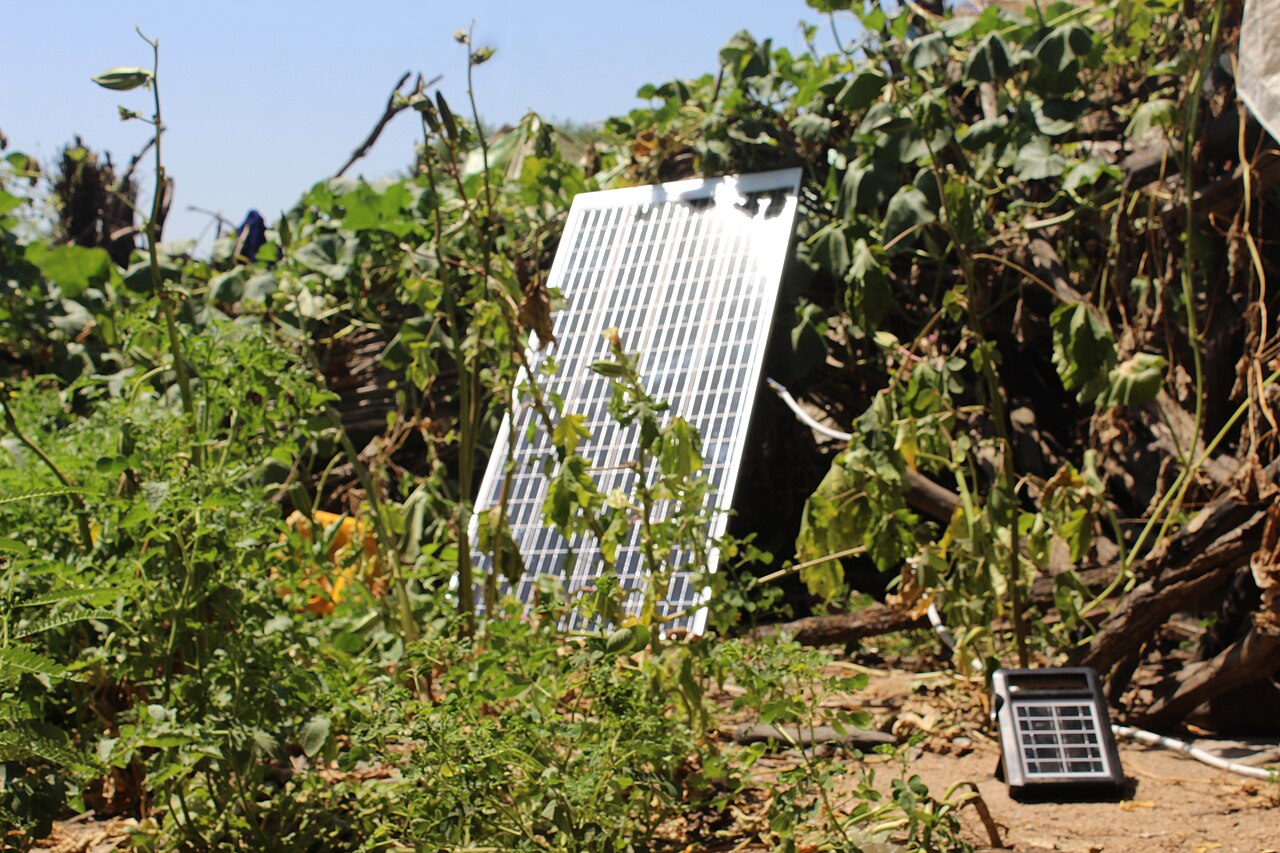
A solar panel installed on a home in a village near Mongo, Chad — community renewable energy of this kind was showcased at COP31 as African negotiators pressed for grant-based climate finance. (Photo: Wikimedia Commons — Solar panel in a village near Mongo, Chad, CC BY-SA)
As COP31 in Antalya entered its final days on 20 November, African campaigners and negotiators pressed for grant-based climate finance, a fossil fuel phase-out roadmap and support for community renewable energy ahead of COP32 in Addis Ababa.
The United Nations climate conference COP31, held in Antalya, Türkiye, from 9 to 20 November 2026, entered its final two days with a single African message repeated across press conferences, pavilions and street marches: Africa is ready to lead, and it has come for finance. Greenpeace Africa, which tracked the summit day by day and updated its live coverage on 20 November, calls COP31 the implementation COP, and argues that promises must now be funded through grants, built around local needs and delivered to frontline communities. That framing — grants, not debt — has been the African Group's central demand throughout the talks.
Inside the venue on 19 November, Greenpeace lit up a wind turbine beneath summit banners reading Dialogue, Consensus, Action, carrying the message The Future is Renewable, alongside photographs of community clean energy projects from Egypt, Fiji and South Africa. With hours left in Antalya, Greenpeace Africa called for a clear, time-bound roadmap to phase out fossil fuels, progressive taxes on major polluters and direct support for community-owned renewable energy. It also insisted that developed countries meet their obligations under Article 9.1 of the Paris Agreement with grant-based public finance, not debt, and that clean electrification be built into national plans in line with the COP31 presidency's 35-by-35 goal.
The finance argument was made in moral as well as legal terms. Writing as climate finance talks stalled, Greenpeace Africa's Sherelee Odayar argued that African countries are paying for a crisis they barely caused, from floods in South Africa and Kenya to drought across the Horn of Africa and rising seas in Senegal, while oil and gas companies make billions. Article 9.3 of the Paris Agreement, she noted, gives governments a framework to tax fossil fuel profits and fund adaptation, loss and damage and a just energy transition. But polluter taxes, campaigners insist, must come on top of developed countries' binding finance obligations under Article 9.1, not replace them, and new climate finance must not arrive as debt that deepens the crisis it claims to solve.
The numbers behind the argument are large. At a side event in the Ethiopian COP32 Pavilion, Greenpeace Africa, Power Shift Africa, Tax Justice Network Africa and CARE International argued that public climate finance is a legal obligation, not an investment opportunity. Adaptation finance, they noted, still covers less than a tenth of the 305 billion dollars developing countries will need each year by 2035, and smallholder farmers, who grow around a third of the world's food, receive just 0.8 per cent of tracked climate finance. Developing countries at Antalya have sought clarity on the pledge to triple adaptation finance by 2035: the baseline, the target and the milestones by which progress will be judged.

African negotiators have also pushed to place adaptation and climate finance at the heart of the COP31 cover decision, the summit's headline political text, despite open opposition. Drafting discussions flagged that global temperatures are likely to exceed 1.5 degrees Celsius, that the world must move away from fossil fuels, and that finance, adaptation, loss and damage and the just transition need more attention. The presidency's 35-by-35 electrification targets won support from Ethiopia, Eswatini, South Africa, Seychelles, Togo and Liberia, reflecting an African priority that is practical as well as climatic: bringing power to more than 600 million Africans who still lack electricity, increasingly through solar and other renewables rather than new fossil fuel plants.
Africa Day at COP31, held under the theme Securing Africa's Water, tied the finance debate to the continent's most immediate climate risk. Convened by the African Union Commission, the African Development Bank, the UN Economic Commission for Africa, AUDA-NEPAD and Afreximbank, it called for increased investment in water and sanitation, stronger multi-hazard early warning systems and preparedness for the anticipated 2026-27 El Niño. Water, participants argued, is where climate change is felt first in Africa: in failed rains, flooded cities, dry wells and the food systems that depend on all three. The African Development Bank used its pavilion, under the theme Turning Climate Commitments into Investments, to press the same point in investment language. (Source: Greenpeace Africa)
Source: Juba Global News Network, reporting Greenpeace Africa (COP31 live coverage, updated 20 Nov 2026) coverage.