Kenya discharges last Ebola patient and begins 42-day countdown to Ebola-free declaration
Health Cabinet Secretary Aden Duale announced the last patient had recovered and left treatment on 11 November. If no new case appears, Kenya will be declared Ebola-free on 23 December.

Nairobi, Kenya, where health officials announced the discharge of the last Ebola patient. (Photo: rights-cleared pool via image search — see edition manifest)
Health Cabinet Secretary Aden Duale announced the last patient had recovered and left treatment on 11 November. If no new case appears, Kenya will be declared Ebola-free on 23 December.
NAIROBI — Kenya has discharged its last Ebola patient, beginning a 42-day countdown that could allow the country to be declared free of the disease on 23 December 2026 if no new cases are detected. Health Cabinet Secretary Aden Duale announced the development in Nairobi, saying the final patient had recovered and left the treatment facility.
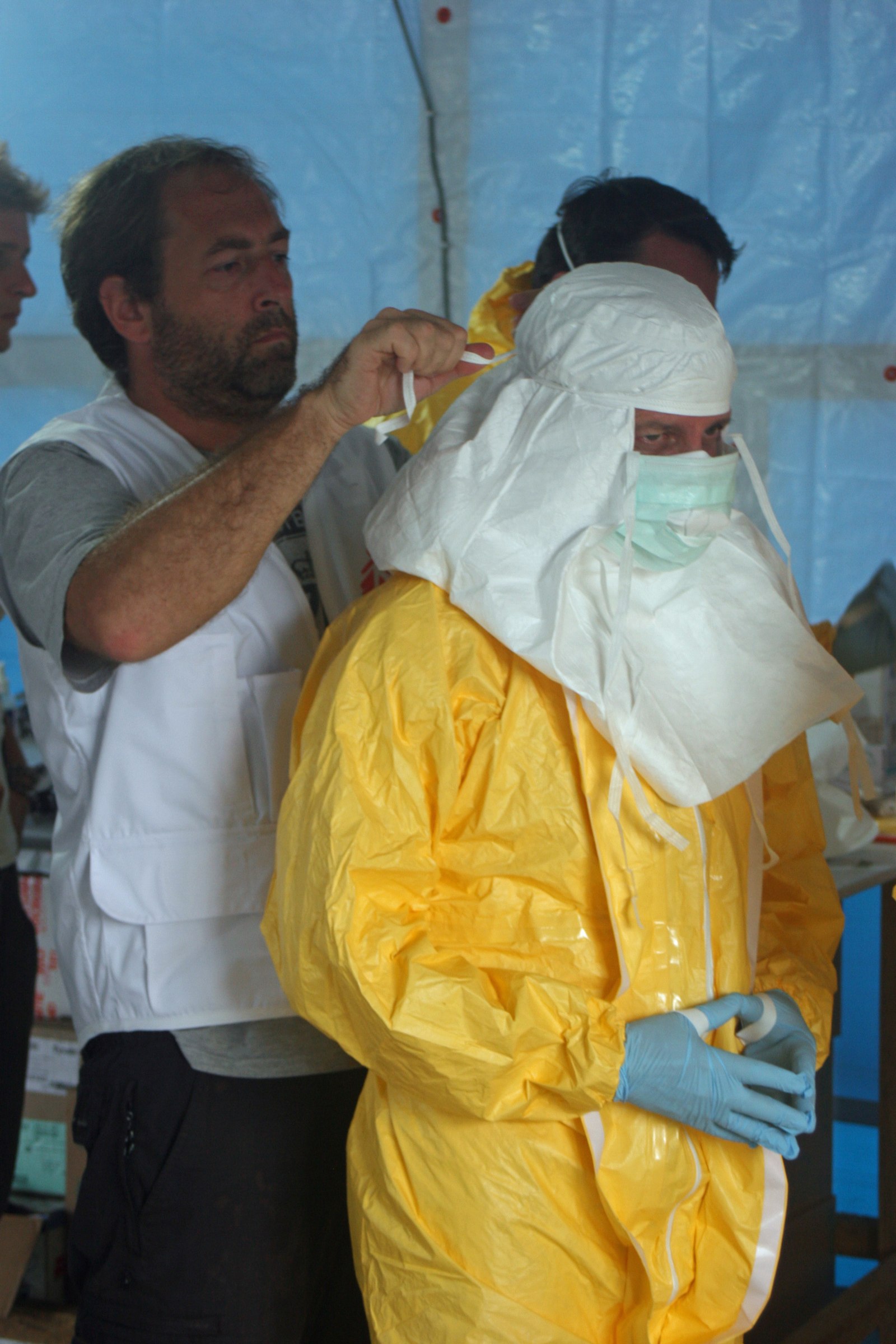
Kenya confirmed its first case on 6 October 2026, in a Kenyan who had travelled home from the Democratic Republic of Congo through Uganda. The last confirmed case was recorded on 19 October. In total, nine confirmed cases were recorded: the first patient transmitted the virus to four family members and four healthcare workers. The first patient and his mother died; the other seven patients recovered.
The countdown began on 12 November, after the last patient was discharged and the remaining 11 contacts completed their monitoring period in good health. Forty-two days is twice the longest incubation period of the virus, which is why the World Health Organization uses it as the threshold: survive it without a new case, and the chain of transmission is considered broken.
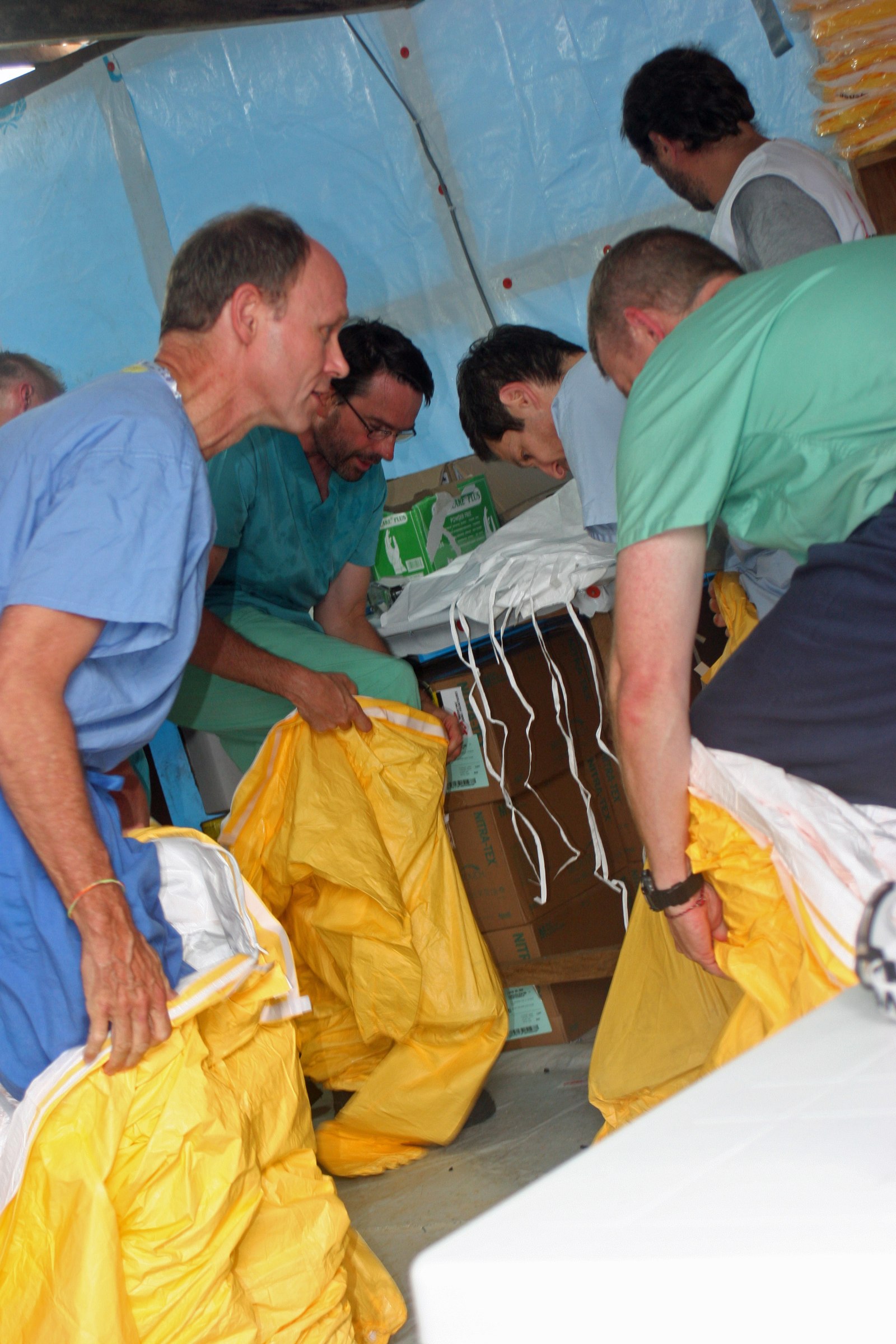
Officials stressed what the milestone does not mean. Kenya is not yet officially disease-free, surveillance continues, and there are no restrictions on movement, public gatherings, tourism or trade within the country — a point Duale underlined by saying Kenya remains open for business, tourism, trade and travel, in line with WHO advice against travel and trade restrictions.
For East Africa, the episode is both a relief and a rehearsal. The outbreak was contained because the first case was detected, contacts were traced and patients were isolated quickly — preparation, not luck, as regional commentators put it this week. South Sudan's humanitarian coordinator is calling for the same readiness at home, a call this newspaper endorses in full.
Source: Juba Global News Network, reporting Associated Press; United Nations; Kenya Ministry of Health via Conven coverage.