Humanitarian coordinator calls for stronger Ebola readiness in South Sudan
UN Resident and Humanitarian Coordinator Ramanathan Balakrishnan has called for increased preparedness for a potential Ebola outbreak, as Kenya counts down to Ebola-free status next door in the region.
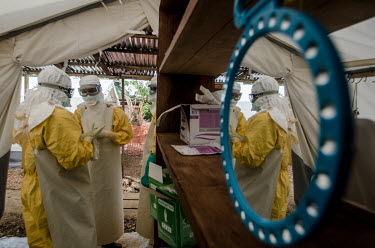
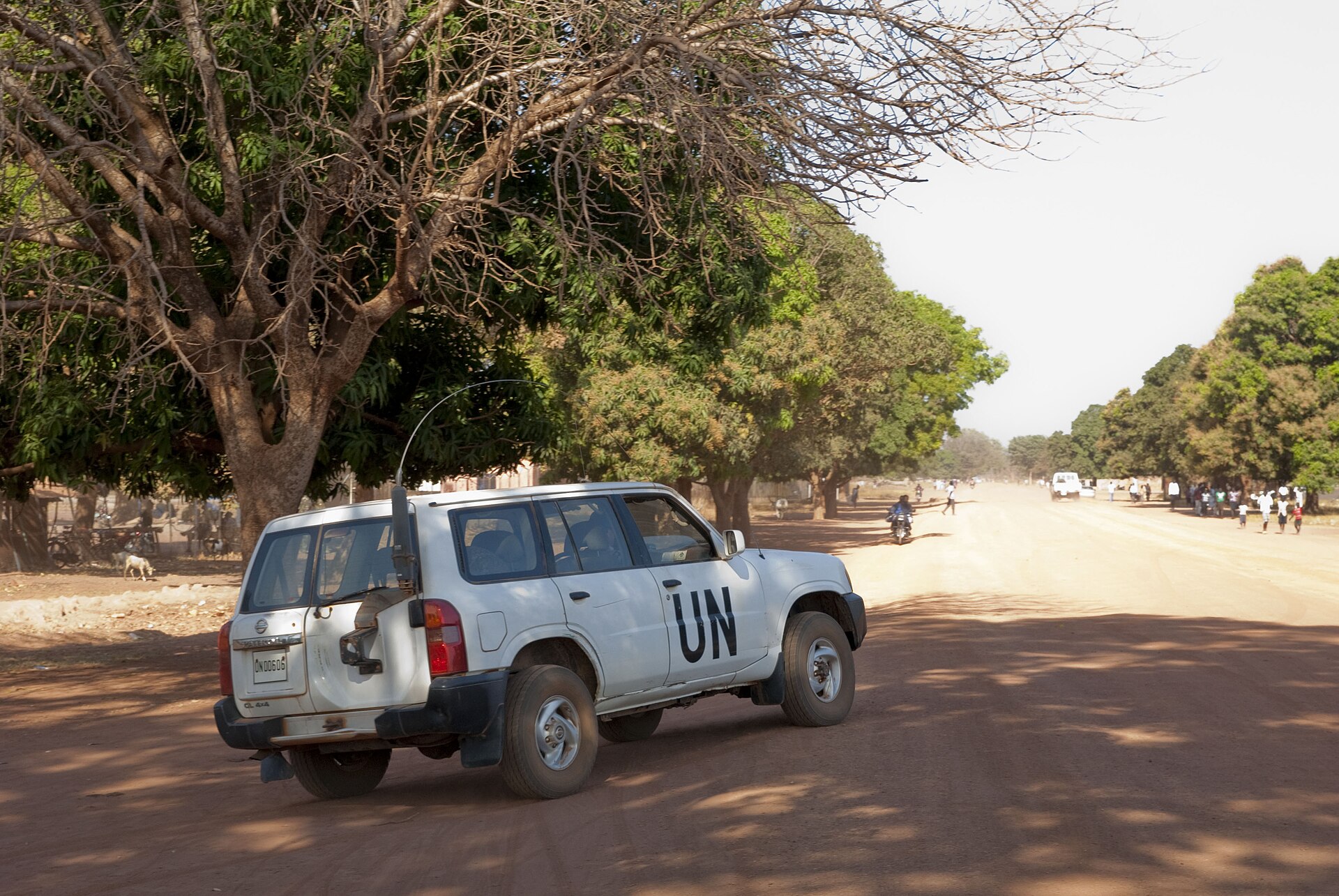
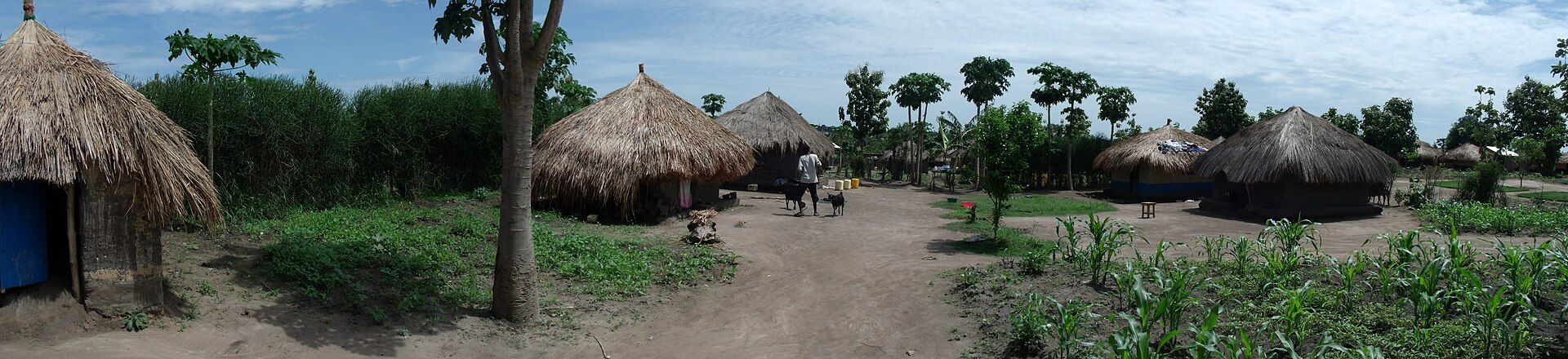
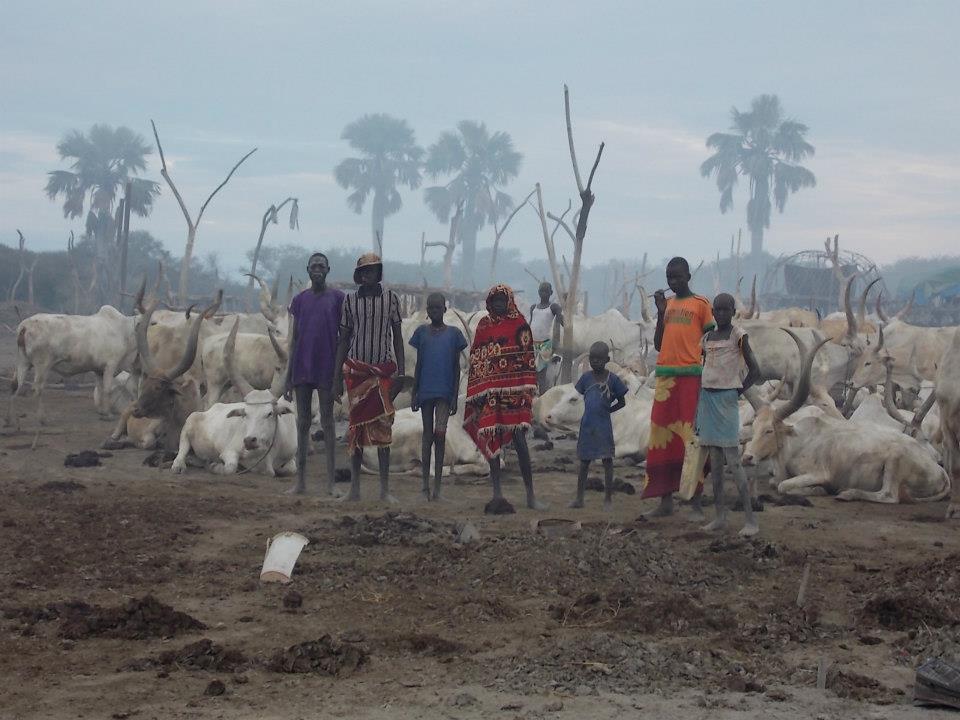
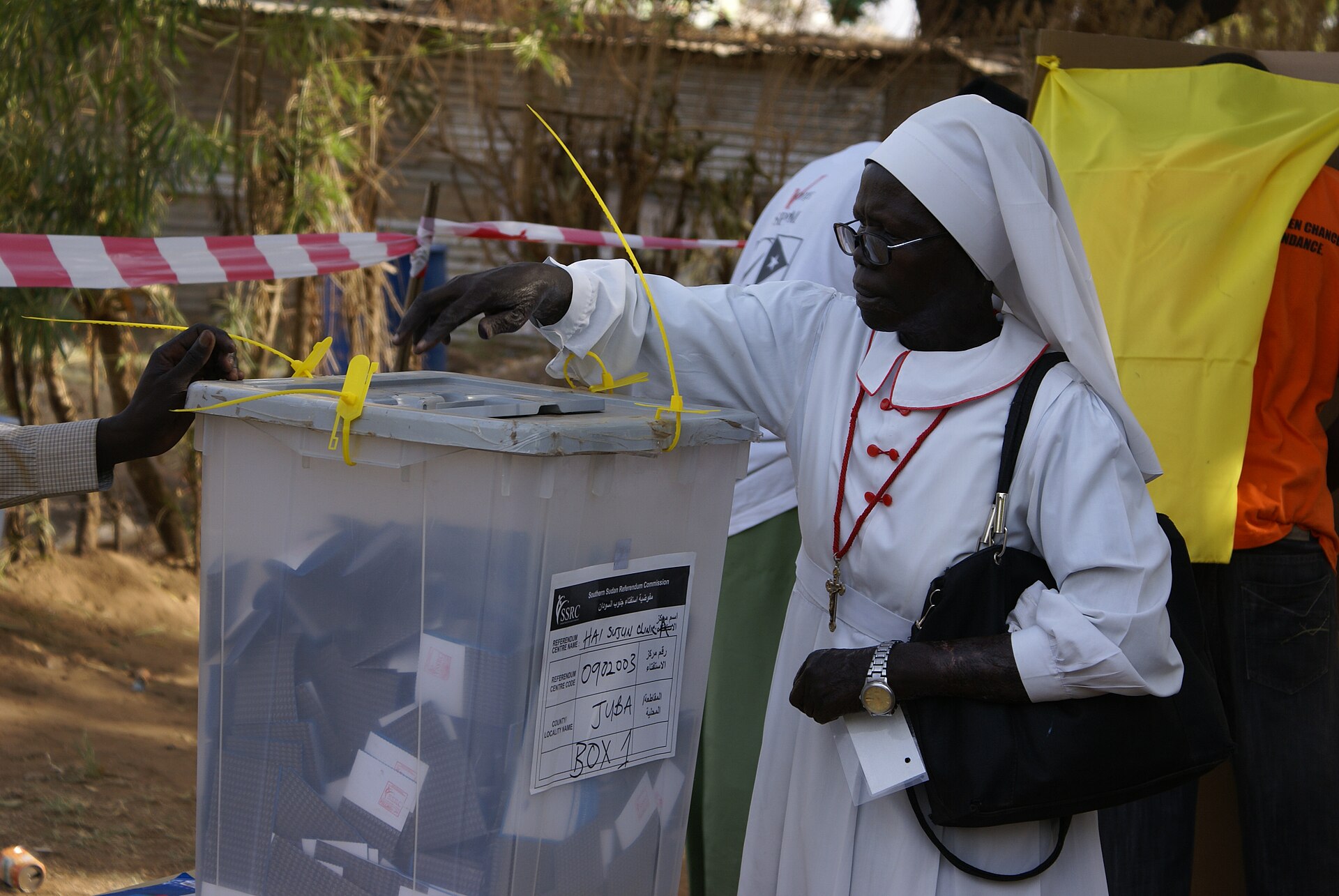
Health and humanitarian workers prepare for disease outbreaks across the region. (Photo: rights-cleared pool via image search — see edition manifest)
UN Resident and Humanitarian Coordinator Ramanathan Balakrishnan has called for increased preparedness for a potential Ebola outbreak, as Kenya counts down to Ebola-free status next door in the region.
JUBA — The United Nations Resident Coordinator and Humanitarian Coordinator in South Sudan, Ramanathan Balakrishnan, has called for increased preparedness and readiness to respond to a potential Ebola virus disease outbreak in the country, Juba reporting said on Friday.
The call is timely. Kenya has just discharged its last Ebola patient and begun a 42-day countdown to being declared Ebola-free, after an outbreak that began with a traveller from the Democratic Republic of Congo through Uganda — a reminder of how quickly the virus crosses the same borders South Sudanese traders, patients and families cross every day.
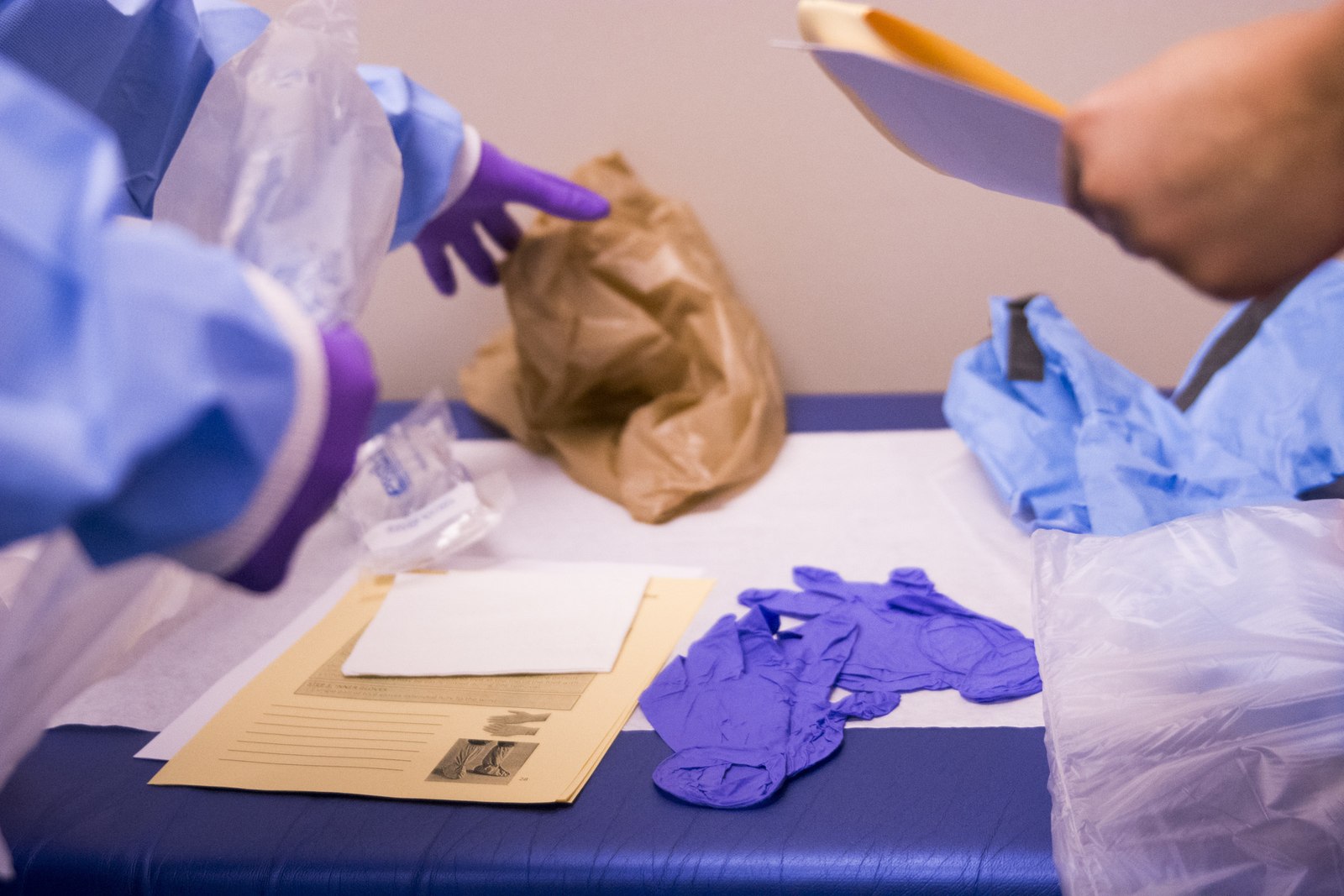
Preparedness is unglamorous work done before any case appears: surveillance at border points and clinics, isolation capacity, protective equipment, trained rapid-response teams, laboratory pathways and risk communication in languages people actually speak. Each element is cheap compared with the cost of a late response, and each is hard to improvise once a suspected case is already in a crowded ward.
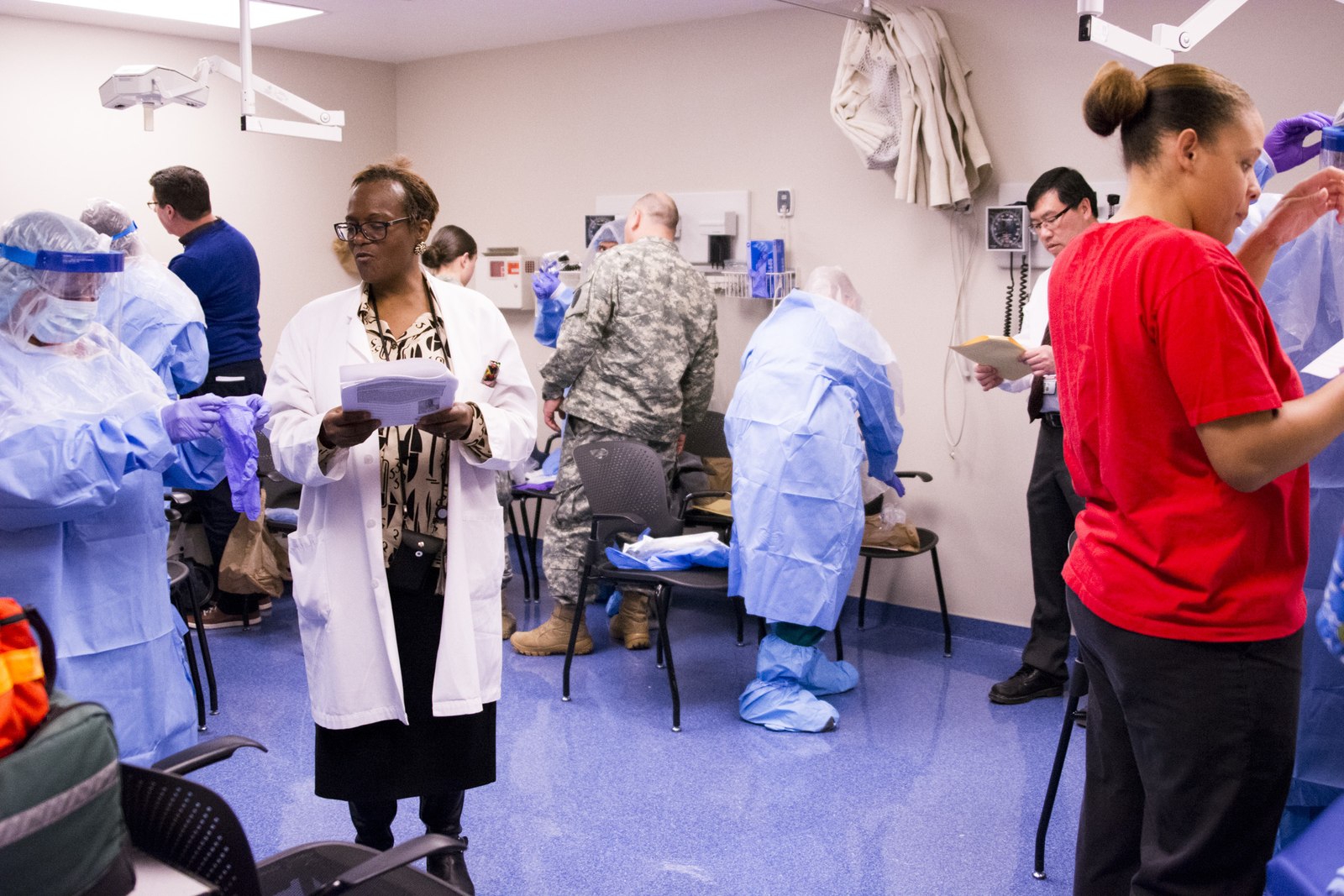
South Sudan's health system carries heavy burdens already — malaria, cholera in flood seasons, measles and the everyday emergencies of a young population. Ebola readiness therefore has to be built into the system rather than bolted on: the same surveillance officers, ambulances and community health workers serve every threat.
The coordinator's message, as reported, is that readiness is a standing obligation, not a reaction. Juba Global will report verified steps — trainings, supplies, simulation exercises and official guidance — as agencies and the Ministry of Health announce them.
Source: Juba Global News Network, reporting One Citizen Daily Newspaper; United Nations coverage.