Famine Risk Recedes in Somalia's Baidoa, But 5.3 Million People Still Face Severe Food Insecurity
Global food security experts say displaced people in Baidoa are no longer at risk of famine, while 5.3 million Somalis still face severe food insecurity and child malnutrition remains critical.
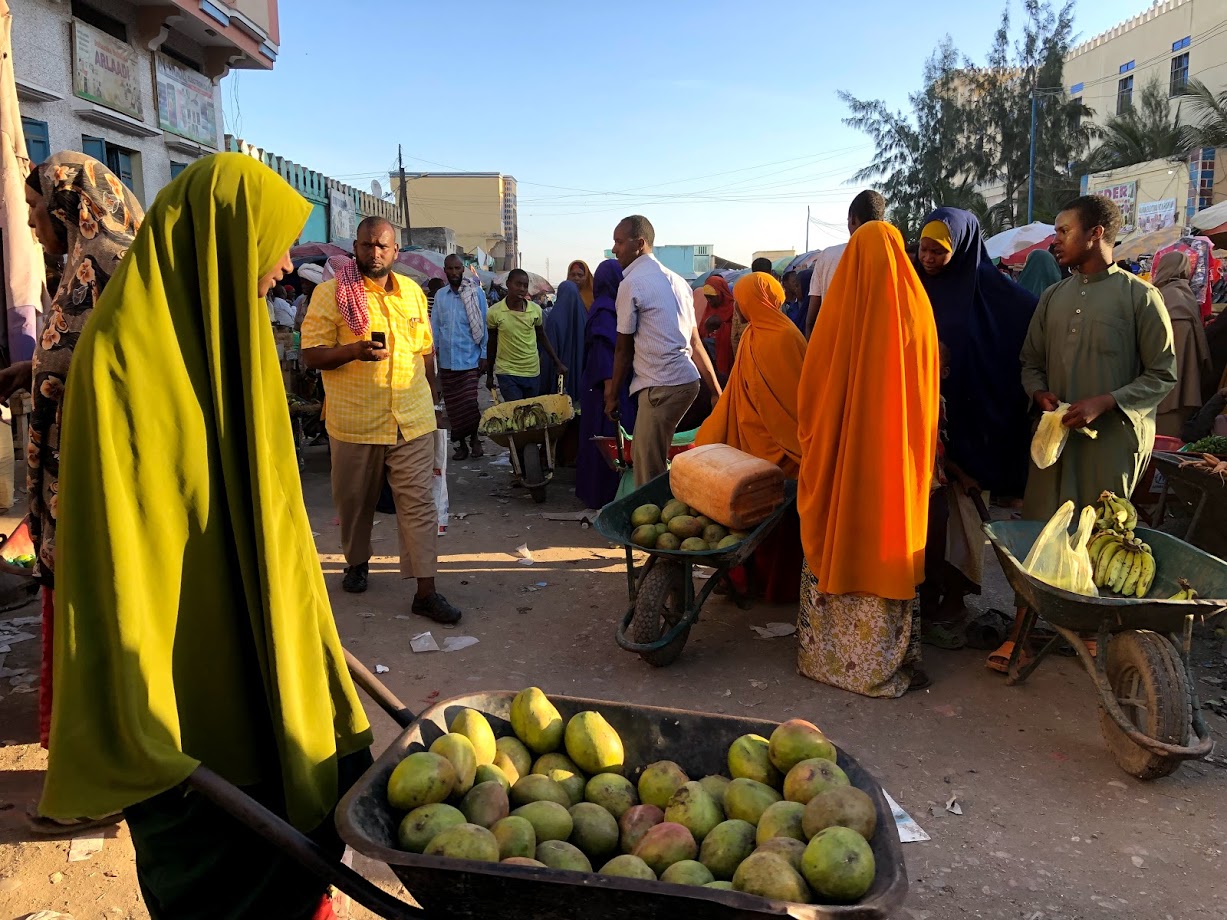
Global food security experts say displaced people in Baidoa are no longer at risk of famine, while 5.3 million Somalis still face severe food insecurity and child malnutrition remains critical.
There is a rare piece of better news from Somalia's hunger crisis, and it comes with a stark warning attached. Juba Global News Network reports that global food security experts said on Wednesday 25 November that displaced people in Baidoa are no longer considered at risk of famine, even as millions of people across Somalia still face severe food shortages and malnutrition. The updated assessment, from the Integrated Food Security Phase Classification, the UN-backed platform known as the IPC, revises the outlook for one of the country's most vulnerable populations without changing the overall scale of the emergency.
The IPC uses a five-phase scale to classify the severity of food insecurity, with Phase 5 being famine. Its updated analysis confirms that, through the end of the year, internally displaced people in Baidoa remain in Phase 4, Emergency, for acute food insecurity, with acute malnutrition remaining at Phase 4, Critical. Baidoa is no longer considered at risk of famine, the experts said, because the plausible worst-case scenario of extreme El Nino-induced flooding and displacement has not materialised and is unlikely to occur before the end of 2026.
The national picture improved only slightly. Roughly 5.4 million people in Somalia were expected to face severe food insecurity between October and December this year, according to the previous assessment in August. That number has now declined to 5.3 million, following the adjustment for displaced people in Baidoa. The number of Baidoa displaced people facing Phase 3 or above is estimated to be 77,000 lower than projected in August. In a crisis counted in millions, a reduction of that size is welcome for the families it represents, but it does not alter the fact that more than five million people still face Crisis or worse levels of hunger.
The updated findings drew on new data collected since August, including information on food availability, nutrition, deaths and displacement. Analysts weigh such evidence carefully before changing a famine-risk judgement, because the classification drives funding, political attention and the urgency of the response. Baidoa carries particular weight in these assessments: the city and its camps for displaced people have been at the centre of previous Somali hunger emergencies, and conditions there are closely watched as an indicator of how bad the national situation could become.
Children remain at the heart of the crisis. The IPC estimates that another 7,000 children will suffer from malnutrition between July 2026 and June 2027, bringing the total number of children affected or expected to be affected to 1.92 million, including hundreds of thousands expected to face severe malnutrition. Those figures explain why experts insist that a reduced famine risk is not a signal to scale back help. Emergency food insecurity and critical malnutrition, sustained over months, still kill children and leave lasting damage to health and development even when famine itself is avoided.
The drivers behind Somalia's hunger are familiar and compounding: the lingering effects of drought in pastoral areas, flooding in some places, continued insecurity, large-scale displacement and above-average food prices, all set against severe humanitarian funding constraints that have limited the coverage of lifesaving food, nutrition and health assistance. Families who have already lost livestock, land or work have few reserves left, so even an improvement in one factor, such as the non-arrival of extreme flooding, leaves the underlying vulnerability largely intact.
The message from the experts is therefore twofold. First, the worst-case scenario for Baidoa this year has receded, and that matters for the displaced families who live there. Second, Somalia still faces one of the world's largest food crises, with 5.3 million people in severe food insecurity and 1.92 million children in need of treatment for acute malnutrition. Sustained support for food security, livelihoods, nutrition, healthcare and water and sanitation services remains, in the assessment's own terms, essential through the end of 2026 and into the year that follows.
Source: Juba Global News Network.